



Typography
Unless you’re well-versed in the nuances of type design, you may not recognize the inherent flaws in a typeface. Design historian Paul Shaw reveals the imperfections in 23 typefaces, including Goudy Oldstyle, Sabon, and Franklin Gothic. Via idsgn.
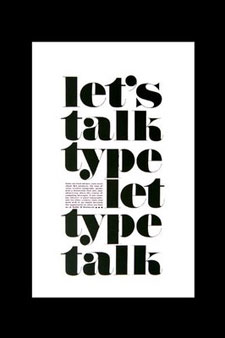
What font you use says a lot about you, according to the post “Beyond the Font-Face: The Psychology of Font.” While some of the thinking here is a little hackneyed—curvy script faces only appeal to women?—there’s some interesting insight. Via Design You Trust.
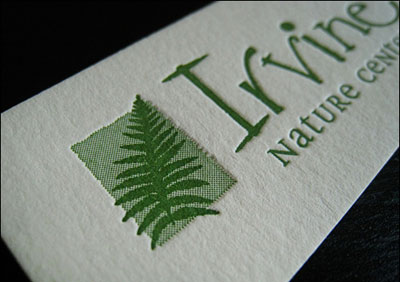
There’s been a renaissance in letterpress printing (yours truly is a revivalist). If your only experience with design and type is on the computer, then it’s time to see the origins of some digital designs. Swiss Legacy posted a wonderful video that shows the letterpress process. Then learn about design considerations for letterpress in this How magazine article, brought to my attention by the InDesign Magazine Facebook page.
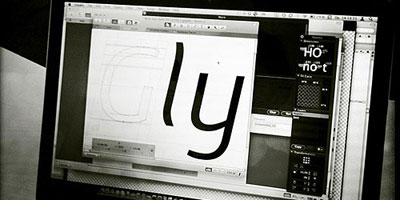
Here’s a typeface with no metal precedent: Azuro, a new font designed expressly for onscreen viewing, whether PC or Mac, phone or tablet. Via The FontFeed.
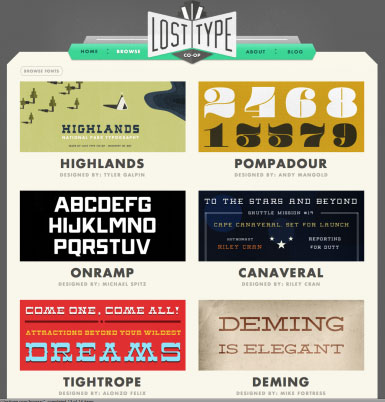
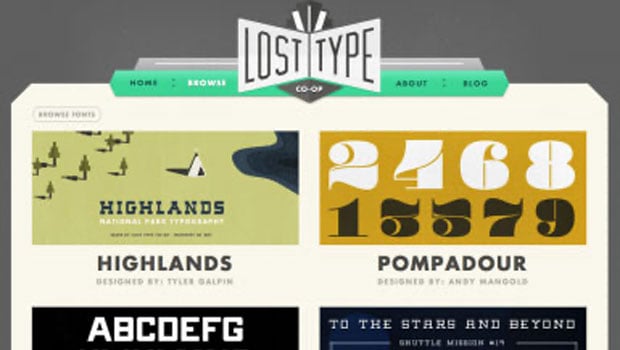
The Lost Type Co-Op, dubbed a “pay-what-you-want” font distributor, recently debuted. After selecting a typeface, you name the price you want to pay—as little as, well, nothing. The sales model proved wildly successful for such bands as Radiohead. We’ll see if the strategy works for fonts as well. Via designworklife.
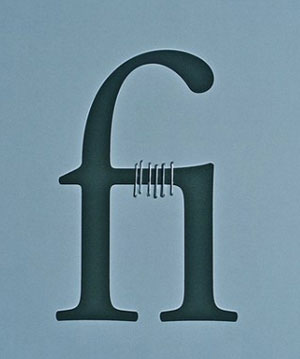
Ever wondered how ligatures are made? Via Colossal Art and Design.
Photography
Facebook, Flickr, Match.com—all want your picture on their pages. But shaky hands and unflattering angles can result in countless do-overs. Wired magazine offers succinct tips as to how to shoot self-portraits.
Another factor that plagues digital photographers is shutter lag—that annoying gap between when you click the shutter and when the camera captures the scene. Here are some tips for coping with shutter lag. Via Photo Focus.
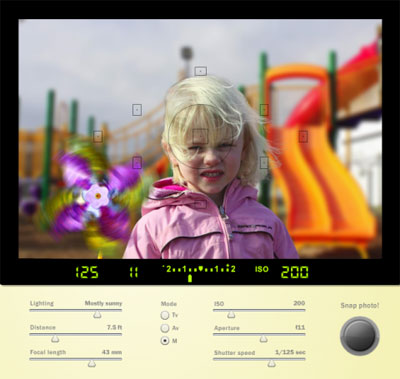
Are you occasionally baffled by the numerous options on your digital SLR and by how one setting affects another? Then you’ll dig Camera Sim, an online SLR simulator. Play around with aperture, ISO, shutter speed, and more, and then view the results of your experiments online. Via Swiss Miss.

If you’re vacationing this summer, taking pictures of your trip is a priority. Jules Café has six tips for taking more memorable travel photos. The Coolist, via Design You Trust, gives advice on how to capture the essence of a road trip. (I better read this one before the pooch and I embark on our annual summer road trip to the land of cheese and Packers).
Words of wisdom from master snappers: Scott Bourne at PhotoFocus reveals his 20 favorite photography quotes, such as, “There is nothing worse than a brilliant image of a fuzzy concept” (Ansel Adams).
Creative Business
In honor of LinkedIn’s IPO this week, GalleyCat compiled a list of LinkedIn groups for publishing professionals. What an awesome resource!
Have you ever drawn up a schedule for a design project? Thought so. Have you ever fallen behind that schedule? Thought so again. Even sticklers for scheduling often watch as dates slip and panic sets in. Why? For insight read 10 reasons why design projects fail. Via Felt & Wire.
An interesting topic on Core77’s message boards generated a fascinating discussion chockfull of useful tips. The question was how to redesign a lengthy resume so that it fits on one page. The responders offered formatting ideas, font suggestions, content ideas, and personal experiences.
Crowdsourcing is a controversial topic in the design community. To get some background, check out an earlier article I wrote on the subject. Crowdsourcing as a means of acquiring graphics shows no signs of abating. A company called blur puts a different spin on crowdsourcing by claiming it puts small design firms and agencies on equal footing with Madison Avenue mega-firms. Via psfk. From the opposite point of view is “Crowdsourcing: Sabotaging our Value.” Via idsgn.
Web
Designers are often asked to not only design but also produce a website. Even if you have a knack for coding, there are times when you need more than your skills allow. A Visual Identity makes the case for outside help.
Designers who produce websites may want to download a template that gussies up HTML code by replacing the usual boring lorem ipsum dummy text with something more interesting. Via Design You Trust.
Looking for new homepage ideas? Check out these sites that use graphically bold typography. Via Noupe.
Photoshop
The title of this video tutorial from psd.tuts+ says it all: Do I Need Sharpening or Should I Wear Eyeglasses Instead? Note that sharpening refers to a photo, not you, although the concept of applying sharpening to myself is intriguing.
Layers are a critical part of Photoshop, and you can never learn too much about using them effectively. Tip Squirrel shows how to do more with Photoshop layer styles, in this case applying layer effects onto layer effects. Julieanne Kost has a great tip about editing images with Smart Filters and Smart Objects.
Julieanne also urges her readers to discover Photoshop’s Fiber Filter.

Tilt-shift photography is still going strong. In images created with this technique, the scale is distorted so that life-size objects look like miniature models. Traditionally tilt-shift photography required a special, pricey camera lens, but it’s easy to fake the effect in Photoshop, as this psd.tuts+ tutorial shows.
Photoshop’s Print dialog box contains many options that can affect the output quality of your images. Tip Squirrel picks apart Photoshop’s print commands to you get the best results.
InDesign and Illustrator
Styles continue to baffle many InDesign users. Add Word and its styles into the mix and I understand InDesign style-sheet aversion. Learn how to import Word styles only in this post from InDesign Secrets.
If you’ve taken or are considering taking the plunge into publishing for the iPad via InDesign, download the free iPad app Digital Publishing Suite Tips. The app is described as “part user guide, part cookbook, and part blog.”
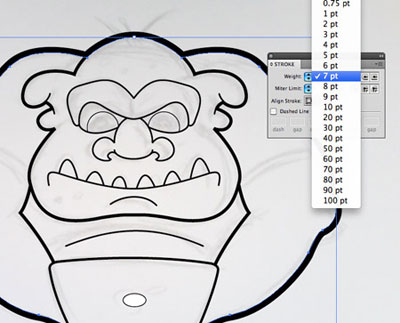

These Illustrator how-tos represent two extremes: How to draw a grumpy troll figure via Spoongraphics, and how to create a glamour portrait via Noupe. Imagine these techniques used in tandem. A Glamorous Troll? A Grumpy Bombshell?
Miscellaneous
It used to be that a letterhead on stationery contained essential information—for example, name, address, phone number, and occupation—about the letter writer. With email, we’re essentially stuck with a plain text signature. However, you can design nice-looking text signatures. This Macworld article, via Planet Quark, offers some ideas and gets some rancorous responses in return.
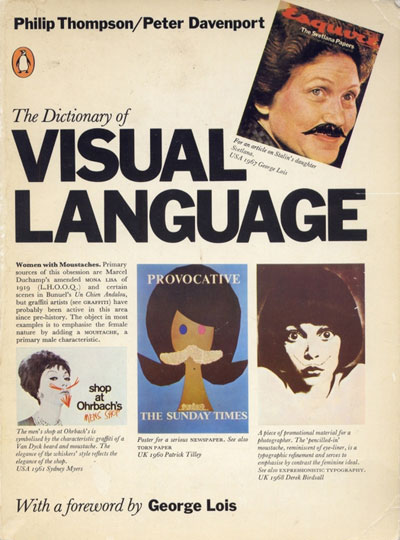
The website Designers and Books asked 62 designers to name the books they think every designer should read. One of those contributors is Rick Poyner, who subsequently explored one of his picks, The Dictionary of Visual Language, more deeply on Design Observer. I really want to get a copy after reading this.
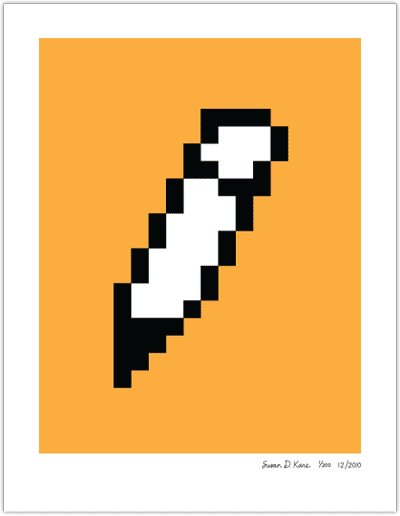
A month or so ago in Best of the Blogs, I wrote about Susan Kare’s original Mac icons. I recently learned, via Design You Trust, that Kare also sells limited-edition prints of those famous 8-bit icons. It’d be cool to have prints of the Happy Mac and the Sad Mac side by side&Comedy and Tragedy masks for the digital set.
One of those original Mac icons was the spray can. To see the real thing, watch this fun and enlightening video of how a spray can of paint is made. Via Design You Trust.
It’s challenging enough to preserve printed materials, but at least we’ve had 500 years to figure it out. Digital art presents a new set of problems. With technology changing so rapidly, will preservation methods keep pace?
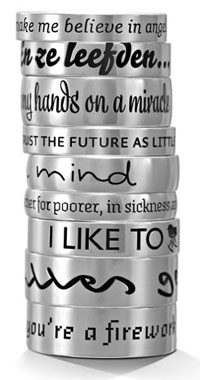
This item is worthy of the Lust List: personalized message rings. After selecting from three ring styles, you use the online ring simulator to design text for the outside and inside of the ring. You choose a font from the wide variety available—vector graphics are also accepted, but not for the ring interior—upload your order to Alphabeth.com, and in a couple of weeks you’ll have a unique ring that’s yours and yours alone. Sweeeet! Via Design-Milk.
This article was last modified on August 2, 2021
This article was first published on May 19, 2011
Commenting is easier and faster when you're logged in!

Recommended for you
Lightroom 4 Added to Creative Cloud
Photographers now have one more reason to consider joining Adobe’s Creativ...
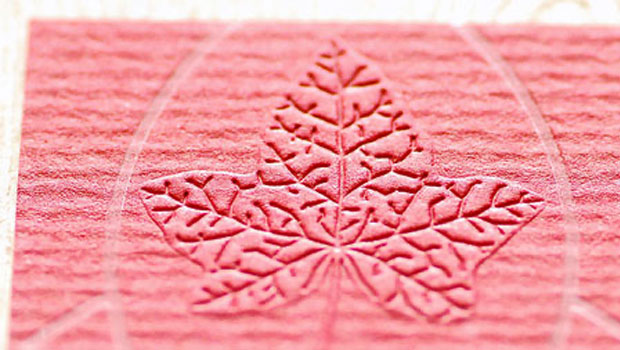
The Beauty of Engraving
If you’re a fan of typography or old school printing craftsmanship, do you...

Photoshop Blur Gallery: Spin Blur
Learn a non-destructive, highly controllable way to apply selective blurs to ima...