



The first WYSIWYG Web-design application sold under the Adobe name was PageMill. Then came GoLive. Some people call Dreamweaver WYSIWYG. Yet none of these apps could deliver the holy grail: Web designs as precise as print that didn’t demand complex coding.
Adobe hopes that its new effort, code-named Muse, will finally fulfill that promise. This software is so new that it’s not technically even a full-fledged app. It’s just entered public beta, which you can download here for free. Note that the beta is English only at this point.
With this public beta, you can lay out a site’s text and images. You can also add interactive elements, including buttons with rollovers; navigation menus that expand and contract; slideshows; pop-up tool tips; and maps, videos, and images from Google, YouTube, Flickr, and Picasa. None of this functionality requires you to know a speck of code.
Once you’re ready to show the site to others, you can export from Muse, which will take care of generating the underlying HTML, CSS, and scripts. You can publish a trial version to an Adobe server, where coworkers and clients can test it. That service is free; if you want Adobe to host the final version of the site, you need to pay for an Adobe Business Catalyst hosting account. Monthly fees vary from $9 to $39; get pricing specifics here.
However, there’s no need to use Business Catalyst to host your site; almost any hosting service will work.
Adobe plans to release a 1.0 version of Muse in the first quarter of 2012. At that point, Muse will be available by subscription only. If you commit to a year, Muse will cost you $15 a month ($180 per year). If you choose to pay month-by-month, it will cost $20 ($240 per year).
To see a working site designed using a prerelease version of Muse, check out David Lloyd’s Green Artisans:

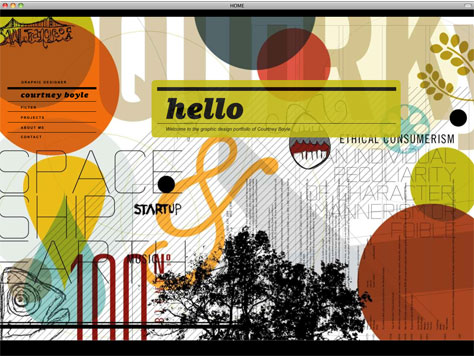
Courtney Boyle’s portfolio site is also worth a look:
When Adobe briefed me on Muse, I asked about the application’s support for content-management systems. I was disappointed to learn that CMS support will not be a part of version 1.0. However, without outright promising to add it in Muse’s next update, the Muse team did assure me that it understands the value of CMS. Also missing in 1.0: Webfont support.
However, it sounds like Muse updates will be frequent. The fact that Muse is available only by subscription makes it easy for Adobe to roll out changes quickly—a must in the fast-moving world of the Web.
This article was last modified on December 14, 2022
This article was first published on August 15, 2011
Commenting is easier and faster when you're logged in!

Recommended for you

Before&After: How to Cool a Hot Photo
How do we cool this photo? The answer is found on the color wheel.

Heavy Metal Madness: Making Copies from Carbon to Kinkos
During a recent session teaching one of my young nephews about email, he asked m...

Adobe Releases Lightroom 6 and Lightroom CC
This week (April 21, 2015) Adobe Released Lightroom 6 and Lightroom CC 2015, pro...