




Some Photoshop mavens walking the show floor must have suffered whiplash when passing by Totoku North America’s booth. The company showed its CCL901, a 22-inch LCD with a massive native resolution of 9.2 megapixels. That’s 3,940 by 2,400 pixels, but who’s counting?
The display offers rich colors in both bright and dark areas of an image, with the familiar sharpness of LCD technology (see figure 2). The CCL901’s density of pixels is also impressive — 204 pixels per line — compared with the 86 and 98 pixel densities of Apple’s Cinema and Cinema HD displays, respectively.
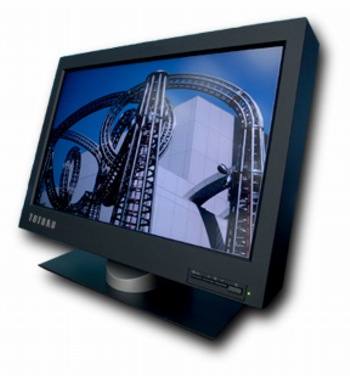 Figure 2: Totoku’s new CCL901 9-megapixel flat panel has a 16:10 aspect ratio. Its integrated circuitry lets a notebook with a DVI interface, such as the Apple PowerBook Titanium, drive the screen at full 3,940-by-2,400-pixel resolution.
Of course, at that super-high resolution, a program’s menus and palettes shrink down to nothing (nearly so), so the monitor is suitable as a second display. All this resolution comes at an equally high cost, however, with a sticker price at $8,995.
Totoku is longtime manufacturer of high-performance displays for medical imaging applications, and the company is now moving into the professional content creation market. The CCL901 display, as well as Totoku’s $1,895 1.3-megapixel and $2,495 ProCalix CRT-based color reference system discussed in a previous column, are now available from graphic arts system integrator Torque Systems.
Off the floor, Formac Electronic showed the gallery 2010, its latest flat panel, aimed at content creators (see figure 3). The display uses Multi-domain Vertical Alignment, a technology developed by Fujitsu, that increases contrast and brightness (and thus the range of colors available for display on the screen) as well as pixel response times. The new display also mitigates more of the color shift found when viewing LCDs from an angle.
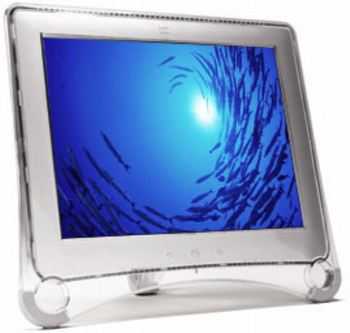 Figure 3: Formac’s gallery 2010 uses the company’s new FDC interface, which supplies power, USB, and video to the display, and supports both the industry-standard DVI connector and the Apple Display Connector found on recent generations of Power Macs.
The gallery 2010’s 20.1-inch screen offers a native resolution of 1,600 by 1,200 pixels — it has the familiar 5:4 aspect ratio (in other words, not wide). Formac said the model will ship at the end of the month and cost $1,699.
I was intrigued by the so-called panoramic displays showed by several vendors. For example, Matrox demonstrated some of the speedy 2D performance available from its recently introduced $399 Parhelia graphics card on a three-panel X-Top display from 9X Media (see figure 4). The Matrox card (for Windows) can drive up to three displays at 2,048-by-1,536-pixel resolution; with two displays, the card can drive each at its own resolution.
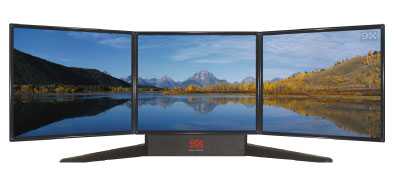 Figure 4: The X-Top 9X Slimline DVI series of modular displays incorporate flat panel screens from 15 inches to 23 inches, costing from $4,299 to $12,299. Believe it or not, the company offers other configurations of displays, some with 4, 5, 6 or even 8 screens.
 For Mac and Unix users, Grand Vitesse showed its $4,995 Panoramic Display, which combines three 18.5-inch, 3,840-by-1,024 LCD panels into a 54-inch single unit. The package includes graphic cards for Mac, Unix or Windows platforms.
This article was last modified on January 18, 2023
This article was first published on September 19, 2002
Commenting is easier and faster when you're logged in!

Recommended for you

Formatting Text with the Selection Tool
If you want to change the formatting of all the text in a text frame, try select...

How to Prevent Problems with PostScript Type 1 Fonts in EPS and PDF Files
Two techniques for heading off big problems when Adobe drops support for Type 1...

Fill Live Text With Any Image in InDesign
Mike Rankin shares the trick for filling live text with any color, pattern, or p...