



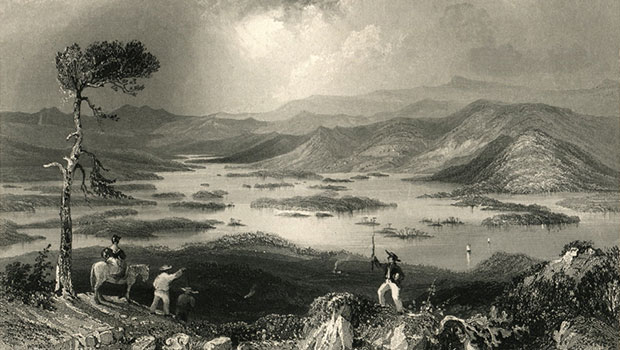
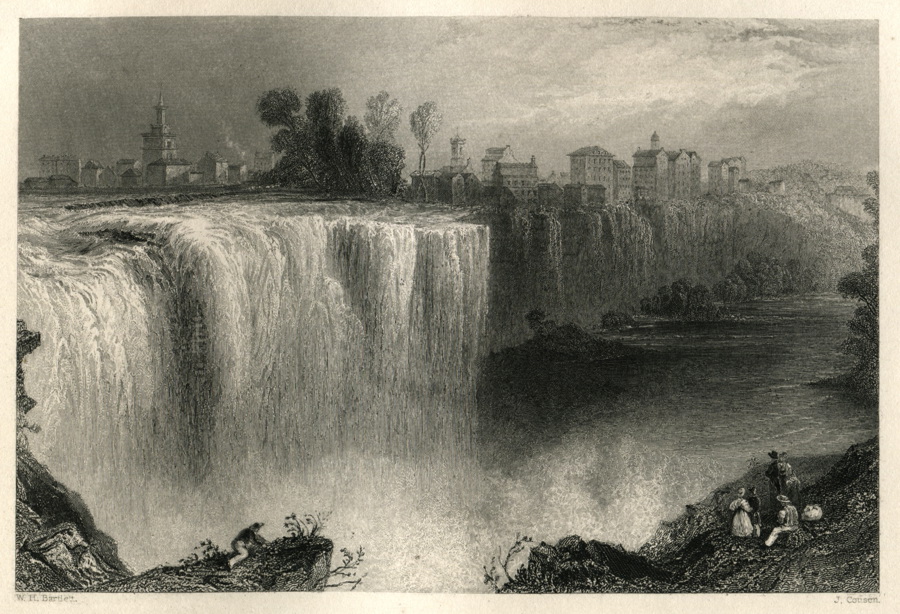
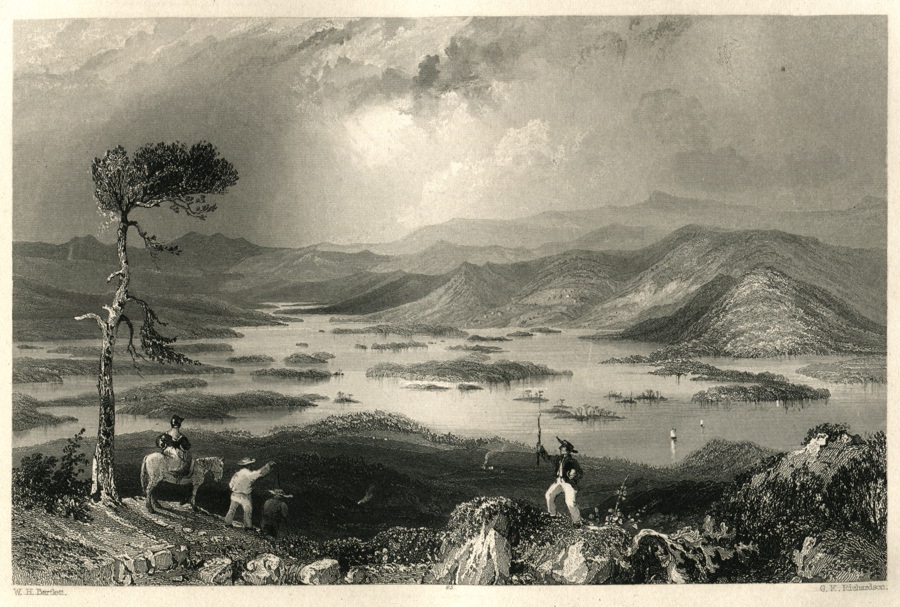
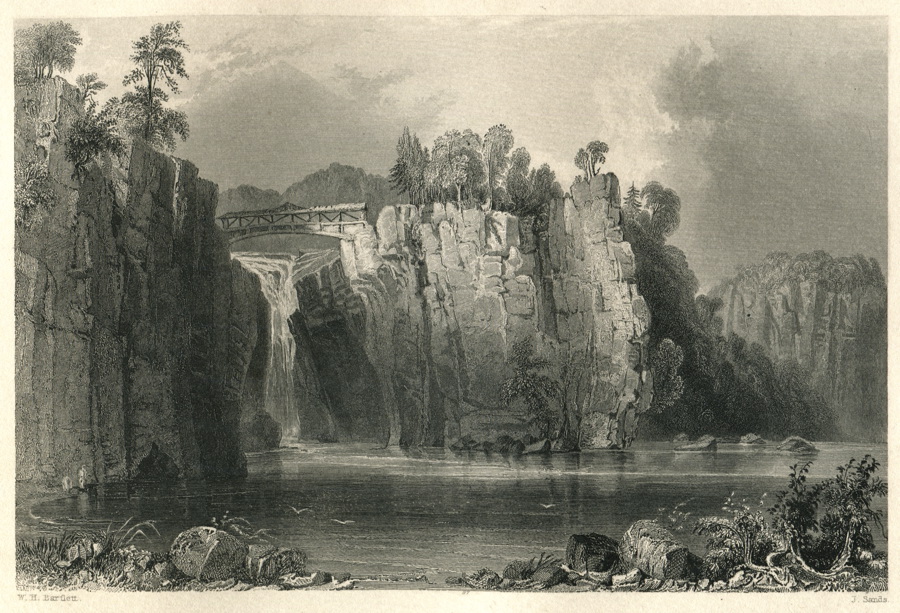
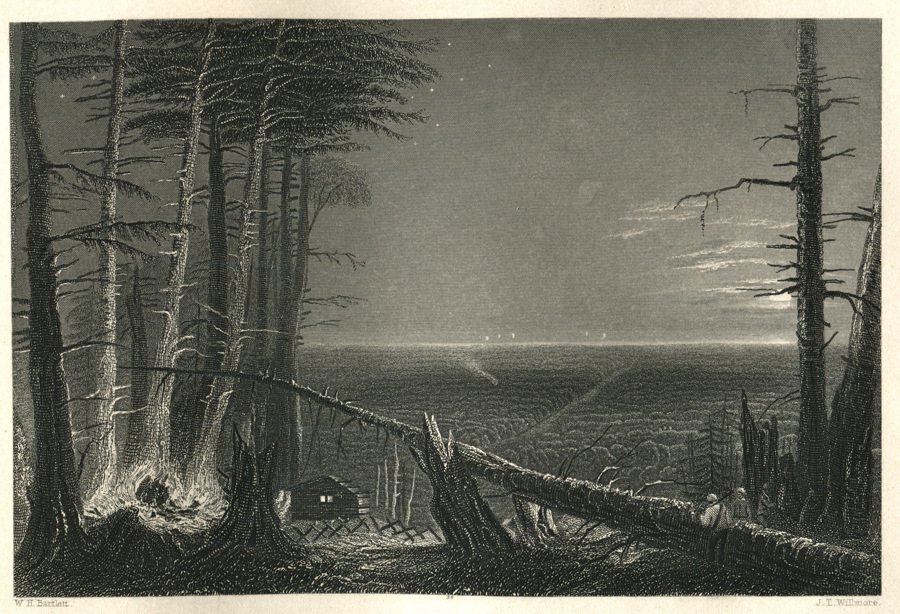
I recently came across an 1883 edition of “Mountain, Lake and River” with illustrations by the English artist William Henry Bartlett. It contains 25 steel engravings, all of mountains and waterways in the United States’ East Coast.
Bartlett was a popular engraver/artist at the early part of the nineteenth century, producing mostly small engravings from his travels throughout the world. He lived from 1809 to 1854. The images here are most likely from the 1830s. Click on any image for a larger version.
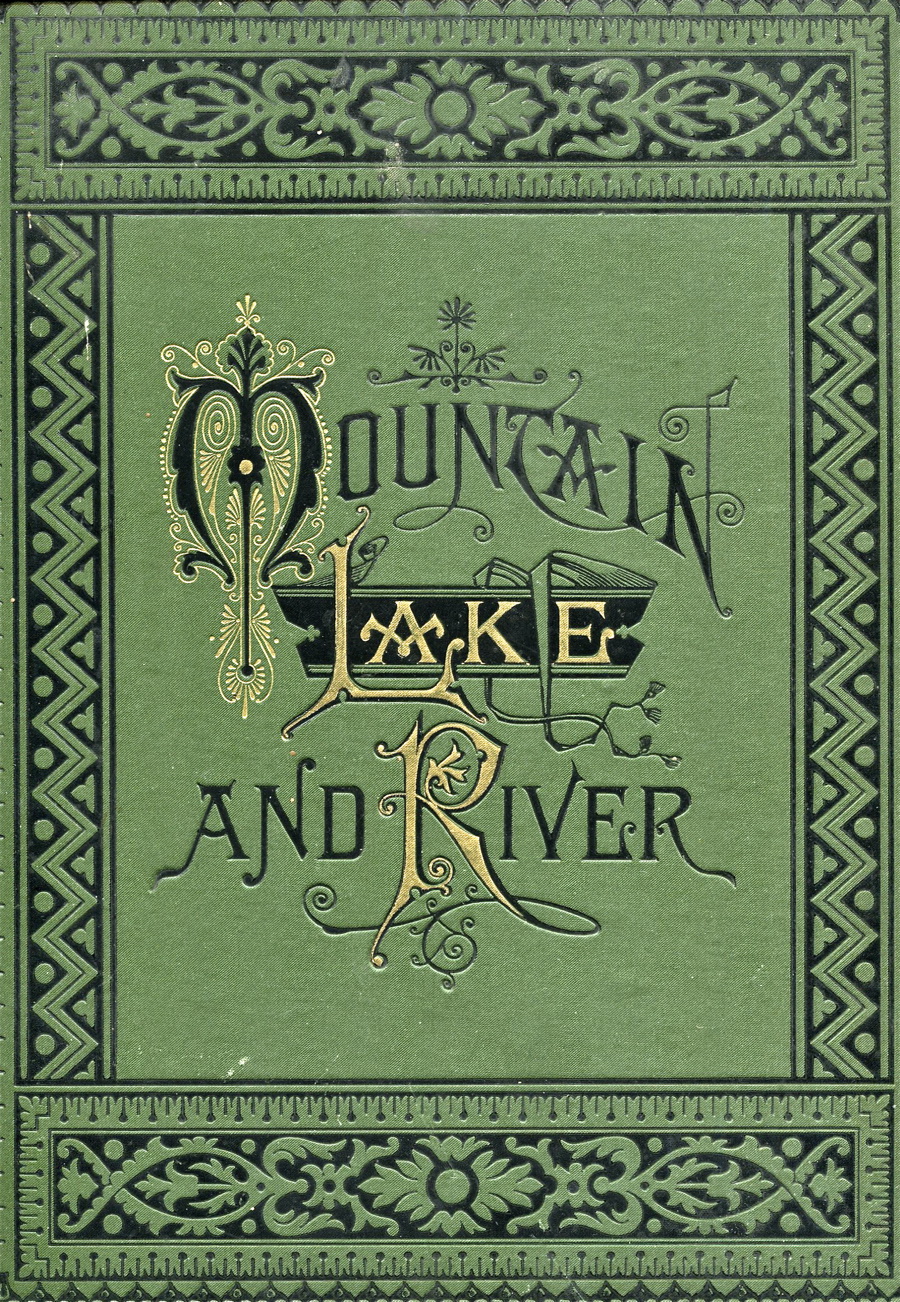
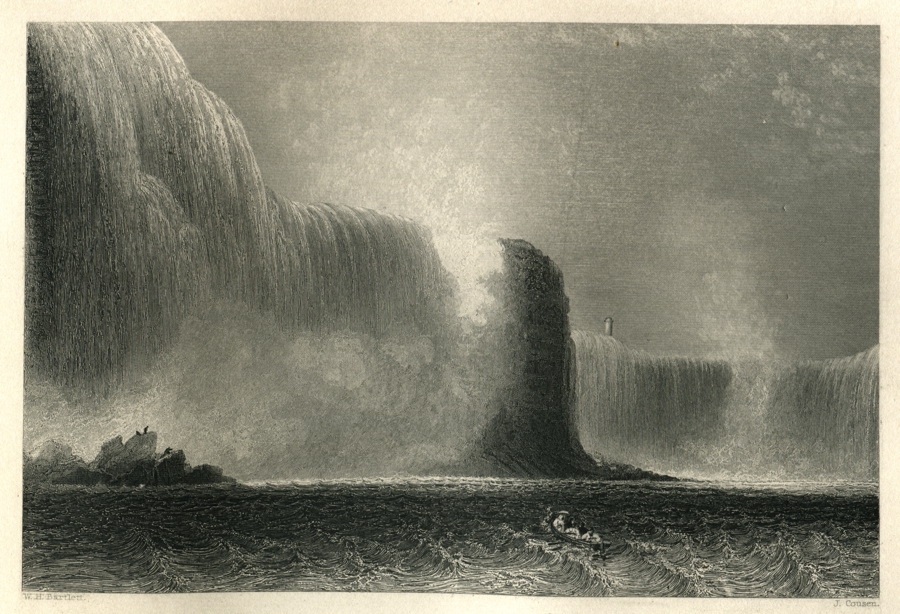
Here is the book cover along with two views of Niagara Falls.
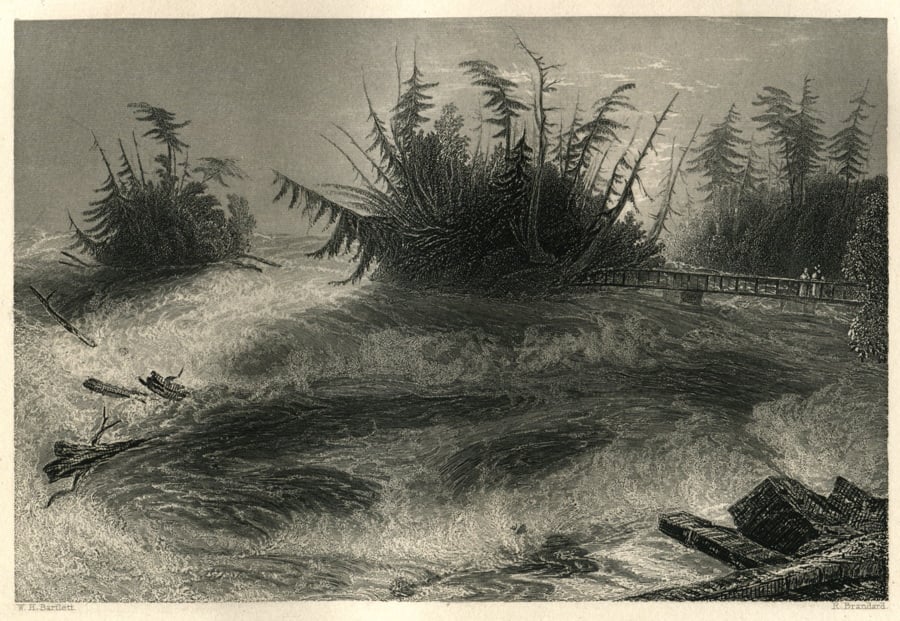
Steel engravings are a tricky undertaking. Until the early 1800s, most engravings were made from copper, a metal that’s relatively forgiving and pliable. But steel allowed for longer press runs and more detail, so it became popular as book publishing expanded to bigger markets. Here is Mount Washington in New Hampshire and the Genesee Falls in Rochester, New York.

Engravings are made by etching the artwork directly into the metal, in reverse, using a tool called a burin. You can see a set of burins here.
Next we have Squaw Lake in New Hampshire and Passaic Falls in New Jersey.
Because the images are reversed, many engravers worked by looking in a mirror, making a difficult process even more difficult. Below is Lake Ontario in the moonlight and Sabbath Day Point, Lake George New York, referred to in the book as the “most transparent lake in the world.”
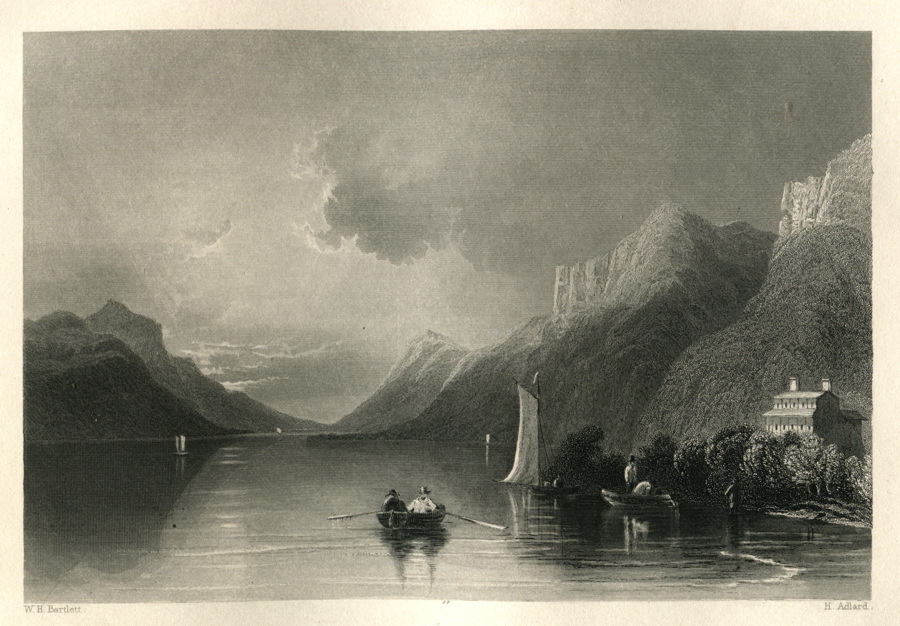
These particular engravings are 5 x 7 inches and contain a great deal of detail. It’s hard to imagine working so precisely with a small chisel in a mirror, but engravers worked in actual size — there was no reducing or enlarging back then. Here is the Valley of the Connecticut from Mount Holyoke and Trenton Falls in New York.
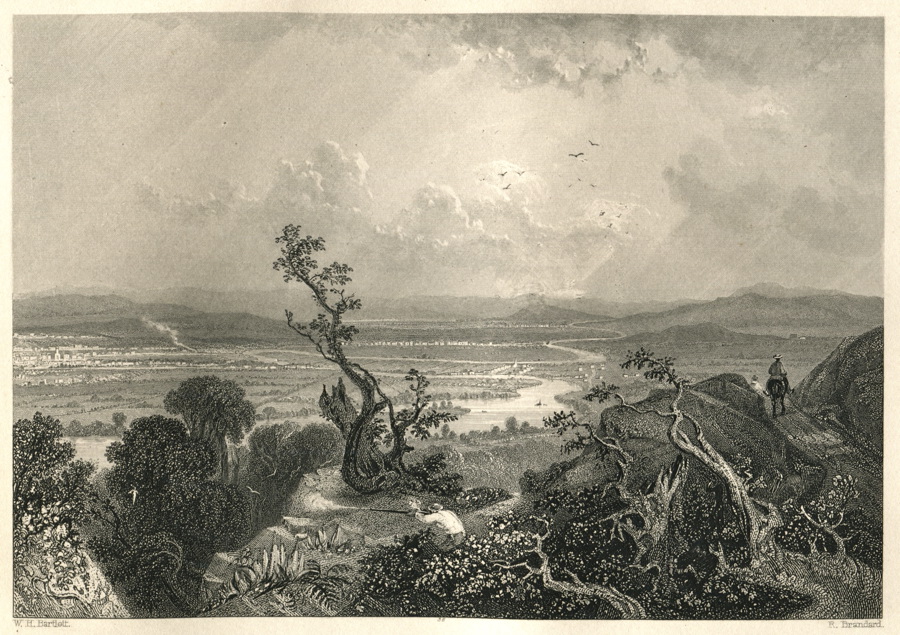
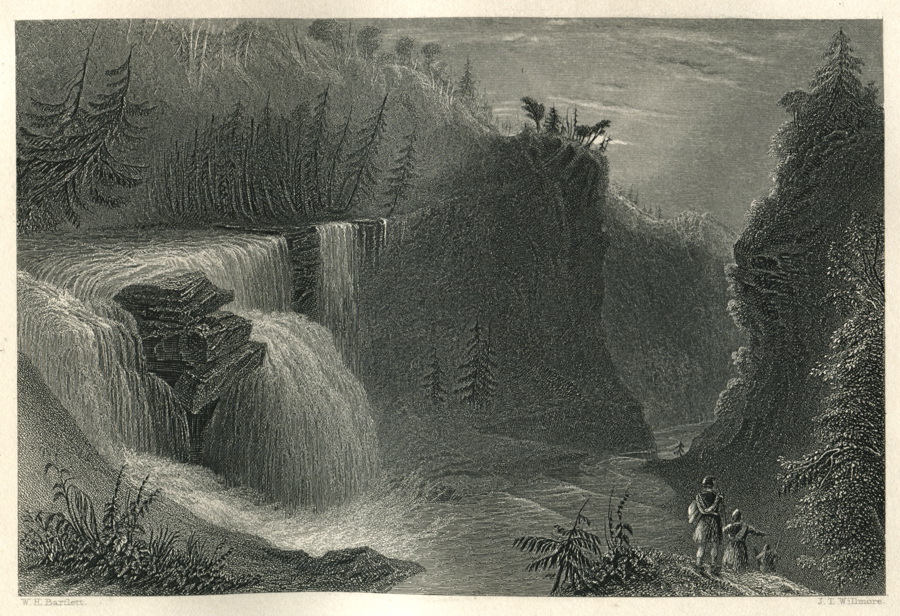
Steel engraving is the method still used for much of the world’s currency, thanks to the detail and difficulty in counterfeiting. Below is Barhydt’s Lake near Sarasota, New York.
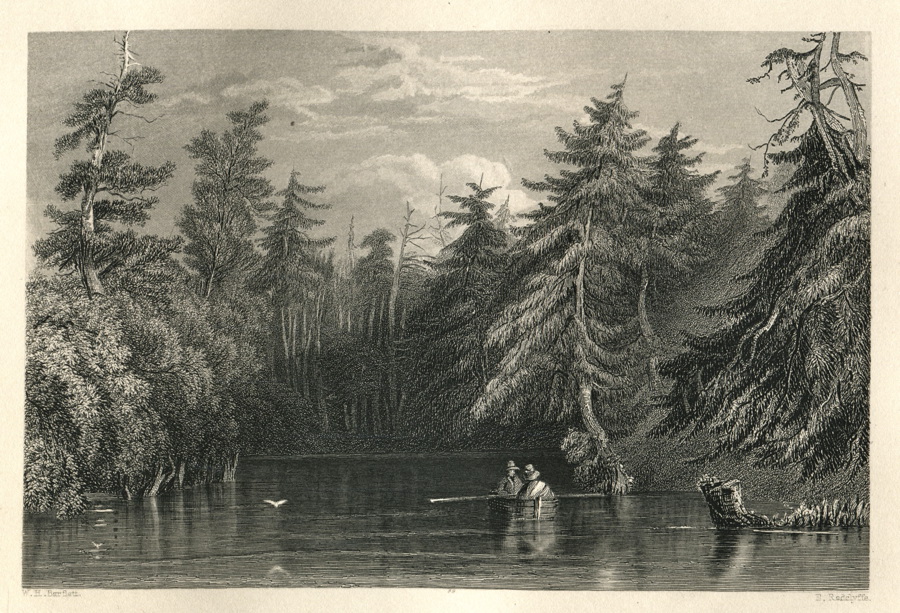
We take photography for granted these days. But it was steel engravings such as these that introduced many Americans to the wonders of their country, one painstaking cut at a time.
This article was last modified on May 17, 2023
This article was first published on October 9, 2009
Commenting is easier and faster when you're logged in!

Recommended for you

Using InDesign’s PDF Comments Panel
Learn how to leverage the PDF Comments panel to streamline your editorial workfl...

Altered Ego Has Two New Releases in OpenType Format
BenderHead AEF In its new incarnation, re-released after several years in the Ga...

Photoshop Tip: Auto-Select a Layer
When you’re working in a Photoshop document containing multiple layers, it...