




“What kind of pencil are you using?” is a question that artists hear all the time. When we share a drawing on social media, inevitably somewhere in the comments someone will be asking what materials we’re using. Some artists will tell you that it doesn’t matter—that art can be created with anything at hand in the moment of inspiration. That sentiment does have value, but I believe that the tools we use absolutely do matter. Using the right tool for the job is the foundation for great work, and that includes the humble pencil. Typically, I use four different types of pencils in my illustrations (see the gallery at the end of this article), and each has a specific job and way of being handled to create the effect I’m going for. If you’re only familiar with the bright yellow, often gnawed-on, wildly inconsistent #2 from school, you’re in for a real treat. 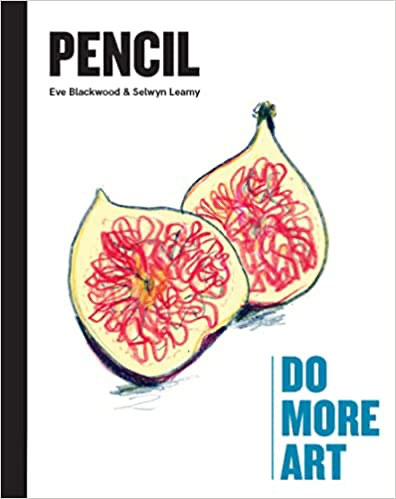 Pencil: Do More Art, by Eve Blackwood & Selwyn Leamy (128 pp.), is a clear and concise guide to exploring the wider world of graphite possibilities. In truth, the entire range of options is massive, with brands and lead “hardnesses” ranging through dozens of different styles. Your first trip to the art store pencil aisle can be completely overwhelming. It’s literally an entire shop aisle filled with hundreds of pencils. 6B? 4H? Blackwings or mechanical? Where to even start? To help you get started on the right foot, Pencil opens with a simple focus on the basics, and recommends a small range of just four lead hardnesses that are perfect to start with. Other materials and tools are also suggested, such as paper types and erasers, and in a few brief pages you’ll
become familiar with everything you need to begin experimenting. After the introduction, the book is split into three sections covering technique, pencil alternatives, and drawing surfaces. The focus is on mark-making and process. Actually learning how and what to draw can be a long process and is different for every artist, and I appreciate Pencil’s clear focus on the tools. Examples are provided in a wide range of artistic styles so that readers at any level should feel comfortable flipping through the pages. Do you want to create expressive abstract sketches? Or highly-rendered, realistic portraits? Either way, the lessons in this book will apply. The Techniques section is a compact and clear crash-course through Drawing 101. The authors do a great job of explaining not only the mark-making that’s possible with different pencils, but also the underlying principles of drawing. Worked into the examples are exercises for creating the illusion of depth, form, mood, and atmosphere. Completing the “Try It Yourself” assignments throughout will provide any reader with not only fresh pencil techniques, but also an understanding of how to create images. For example, a simple smudge of thick graphite can fill in an expressive area of a quick sketch, but it can also be used to realistically illustrate a rain cloud miles away and convey a sense of gloom or shadow. This section gives insight on when to use techniques like this effectively. The next section of the book covers alternatives to gray graphite. Understanding color and how to use it can be an overwhelming topic, but again Blackwood and Leamy consolidate the basics into a few quick pages. Color theory (the way colors work together, mix, and compliment each other) is explained through fun assignments such as stippling and pattern-making. Wet media is also introduced. Watercolor pencils and mixed-media experiments help to enhance the way you think about drawing and what simple pencils can do. After a general understanding of mark-making and color are taught, readers are shown how to use both to create drama and impact in their sketches. The book concludes with a brief chapter on different drawing surfaces. This section doesn’t really cover the technical specifications of different types of paper, but rather different ways of approaching a drawing surface. The overall sentiment is of exploration, experimentation, and having fun. The last few pages show different artist sketchbooks and how they’re used, with tips for keeping stress and worry out of yours. “Do More Art” is an appropriate subtitle for this book. Artists’ block is often caused by being overwhelmed by the blank page and the endless possibilities in materials. Pencil encourages readers to start simply with four basic pencils and a sheet of copy paper, and just start exploring what they’re capable of. All of the lessons are brief and clear, and presented in an easily-understandable way. The overall theme is to keep it loose, enjoy yourself, and explore mark-making as play—ideas that, as an artist, I absolutely agree with. Drawing is fun, and Pencil: Do More Art is both a lesson in how to play and a reminder to do so.
Art by Melissa Stanley
See more at her website, melissasuestanley.com. 
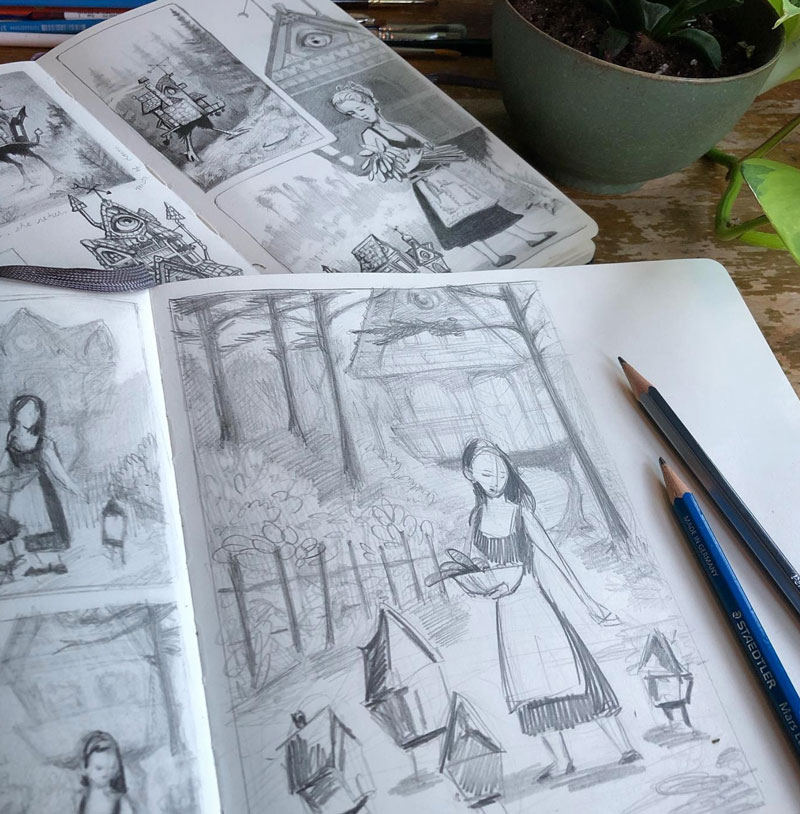
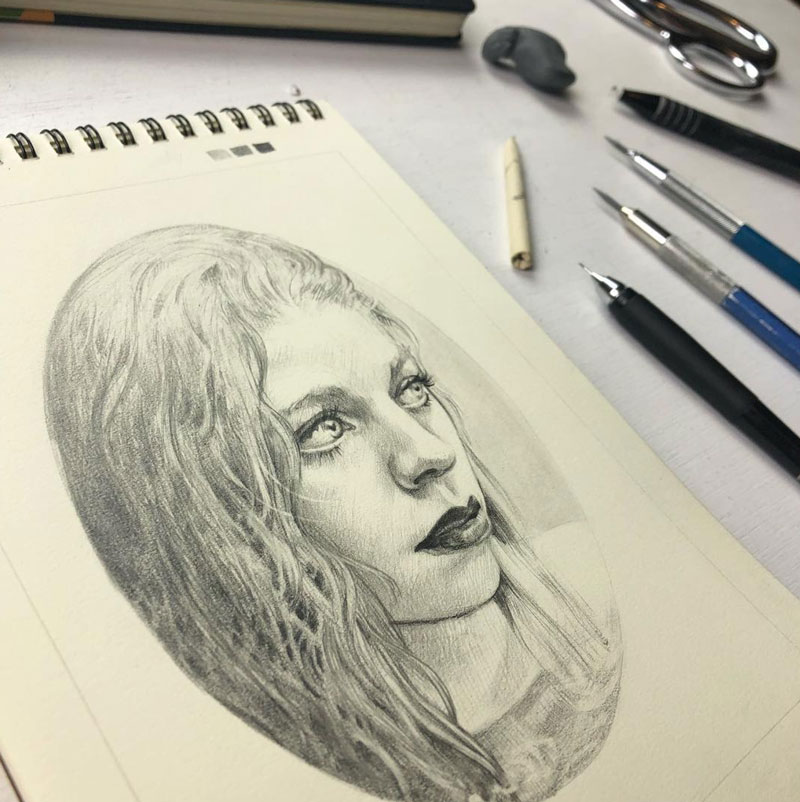

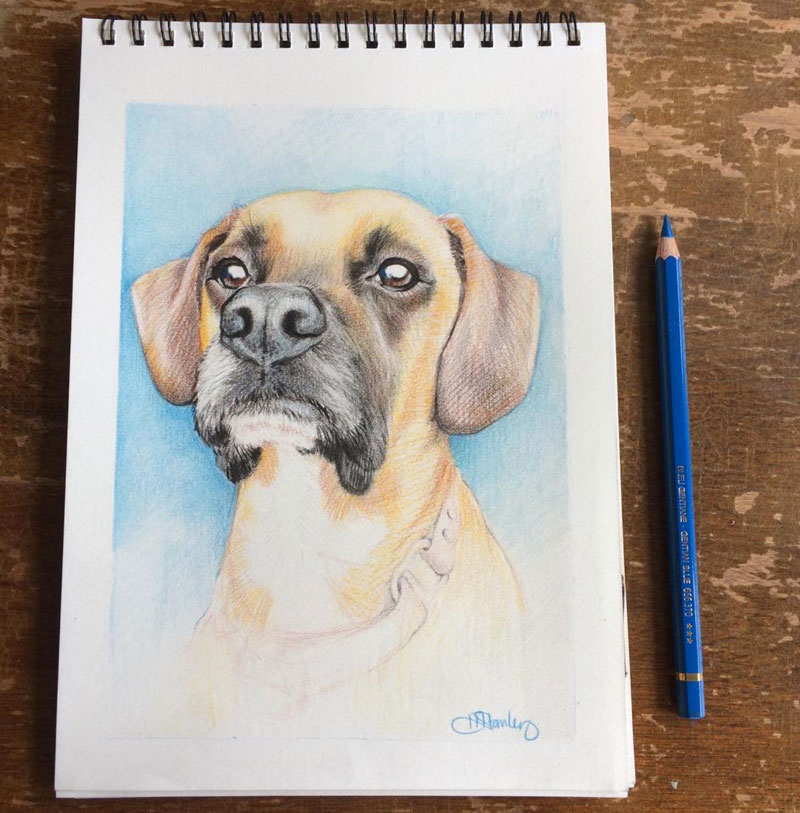
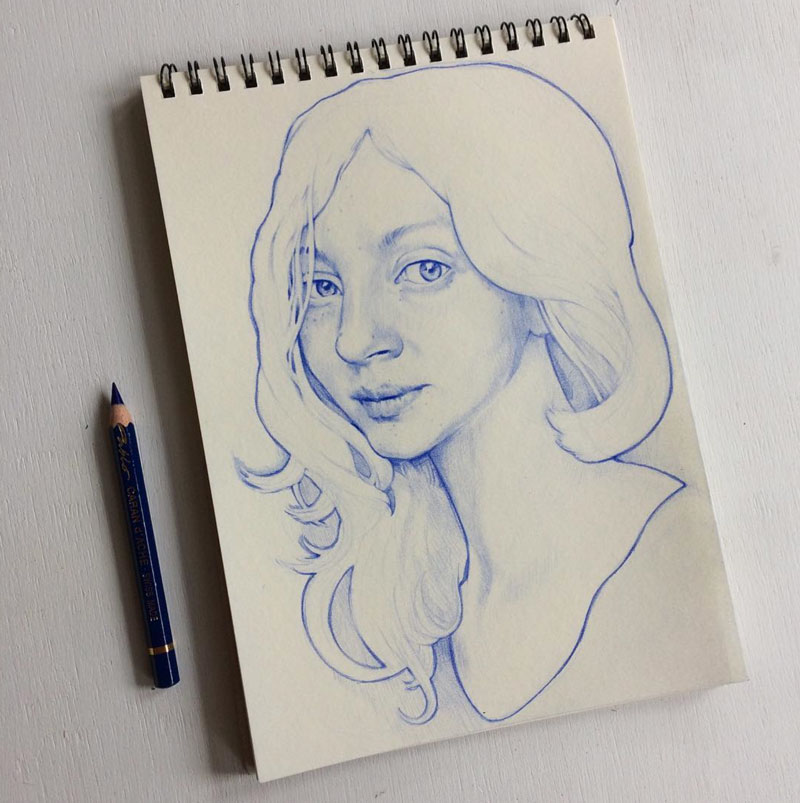
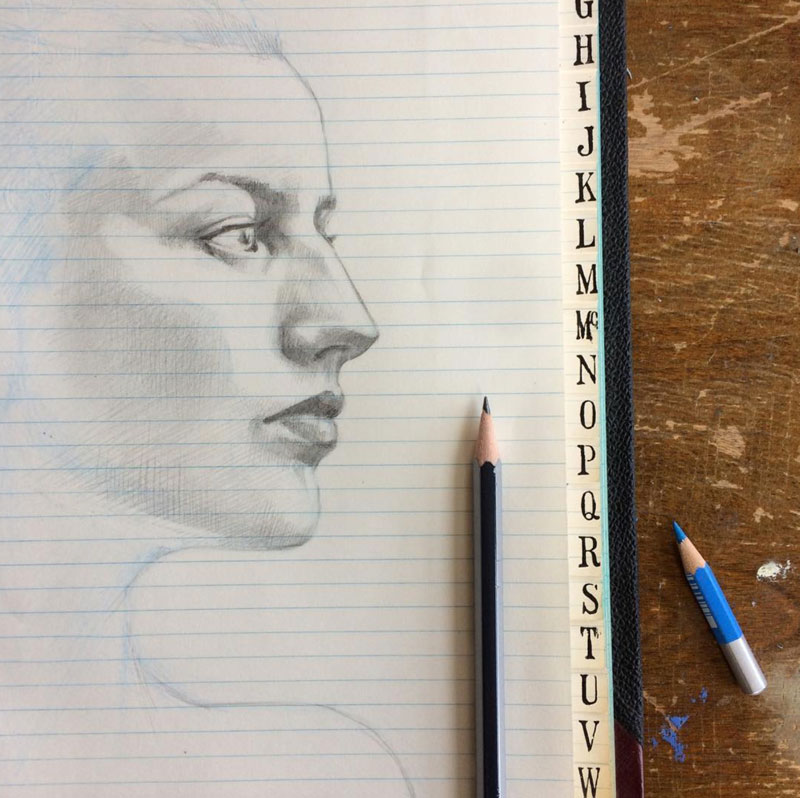
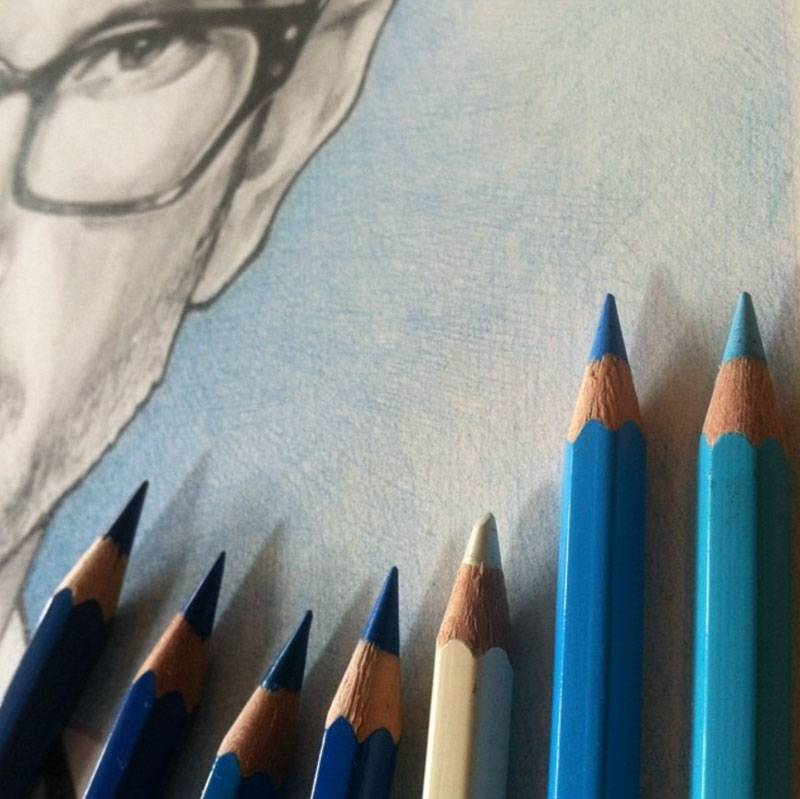 Affiliate link disclosure: CreativePro will earn a commission on any purchases made through the Amazon links in this post, at no additional cost to you.
Commenting is easier and faster when you're logged in!

Recommended for you
How to Get the Most From AI Features in Adobe Express
Learn about the latest AI features found in Adobe Express and see how a well-wri...

How To Create a Kaleidoscope Pattern in Photoshop
This tutorial will teach you how to create moderately complex patterns in Photos...

Show the InDesign Notes Tool Some Love!
I use InDesign’s notes feature all the time, at least a few dozen times pe...