




This article is excerpted from the December 2009/January 2010 issue of InDesign Magazine, #33. Subscribe to InDesign Magazine.
The scene: You’ve inherited a complicated InDesign file from a coworker, and you’re burning the midnight oil making layout changes. Wait a minute! One of the images doesn’t look right; you suspect it’s been stretched. And what’s this? The mole is on the wrong side of a person’s face! Has the image been reflected? And where did the images on pages 6 through 16 come from? Do you have legal rights to use them?
Answering these and other burning questions takes some detective work, but I’ll show you how to sift through the scene of the crimes using forensic techniques in InDesign CS3 and CS4.
Download the article for free as a PDF.

To view the PDF, please use Adobe Acrobat or Adobe Reader. We highly recommend Adobe Reader 7.0 or above to view this PDF. Download the latest Acrobat Reader here.
To learn how to configure your browser for viewing PDF files, see the Adobe Reader tech support page.
This article was last modified on December 17, 2022
This article was first published on March 10, 2010
Commenting is easier and faster when you're logged in!

Recommended for you
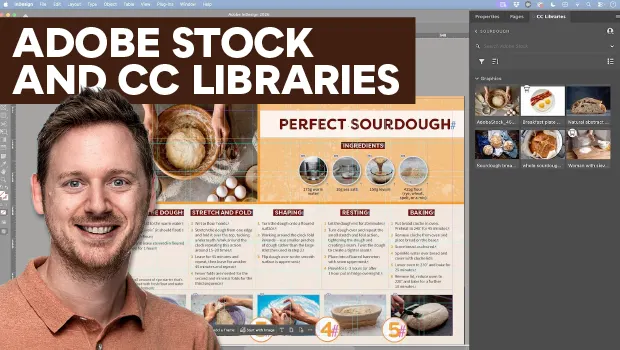
Find Adobe Stock Assets Without Leaving InDesign
Find Adobe Stock assets without ever leaving InDesign!


Quick Wins: Adjusting Color in Photoshop
Use these five resources to get better at adjusting color in Photoshop