


66 Simple Ways to Be Green

As designers and illustrators, we are in a unique position in that we are involved at the start of the product design and advertising processes. We create ideas to make products sell better, to express our client’s message, and we even create products themselves. We also carry our ideas through the production phase — from paint on paper, to laying out the text in books, to designing the dies for packaging, to overseeing print runs. Our decisions at the production level often stick.
We have direct control over how much waste we generate and how much energy we consume in the process of bringing our ideas to life. This puts the responsibility on us — individually and as an industry — to be aware of our impact on the environment. If you’re one designer working in a home studio, it can be easy to feel that that your power to change the world is minimal. But consider the thousands of other designers and illustrators who also think their impact is minimal. As one entity, we can have quite an affect.
From designing non-recyclable products to using harmful chemicals for painting, our industry has adopted a number of bad habits. We can break those habits and come up with new ways to care for our environment. Being earth friendly doesn’t necessarily mean cutting back on things that will make you money; in fact, being earth friendly often increases your revenue. Not to mention that the planet we live on will be in better condition for us to continue to work and do what we love — design and create.
Here are 66 simple changes we can all make in the ways we work and think.
Think Before You Design
1. Design environmentally friendly packaging. A powerful package needn’t require a lot of materials. Design the end product to use fewer materials, such as paper, plastic, and adhesives. The bonus for your clients is that this can also reduce their bottom line.
2. Design slightly smaller brochures and booklets with fewer pages.
3. Try a stapled booklet rather than perfect-bound booklet.
4. Use pre-existing dies. Ask your printer if they have any dies in stock, then try to design to what they already have. This will also save your client from having to spend money on new dies.
5. Ask your offset printer about their recycling program. If they don’t have one, switch to another printer who does.
6. Design promotions that are usable by the end recipient, such as calendars, bookmarks, notebooks, or fabric shopping bags. The more attractive and useful something is, the more likely people will keep it.
7. Piggy-back advertising. Encourage clients to double up the function of their printed materials (letterhead, folders, business cards) by including advertising for their services. This will reduce the need for separate print jobs while maintaining your value as a designer of those print ads for each new print run.
8. Design multi-purpose letterheads. Keep print runs down by printing a regular business letterhead and in the upper right hand corner include boxes to check whether it is an invoice, regular communication, notice, or another option. This will cut down on the cost of requiring separate plates for letterhead printing.
9. Design with intent of printing on recycled materials, and consider unbleached, wind-power produced, or synthetic paper.
10. Spec alternative printing processes, such as waterless.
11. Use and recommend local resources, such as local printers and local paper production/warehousing, to reduce freight impact.
12. Educate your clients. Many don’t realize that using greener processes can be comparable to conventional methods in both cost and quality.
Recycle
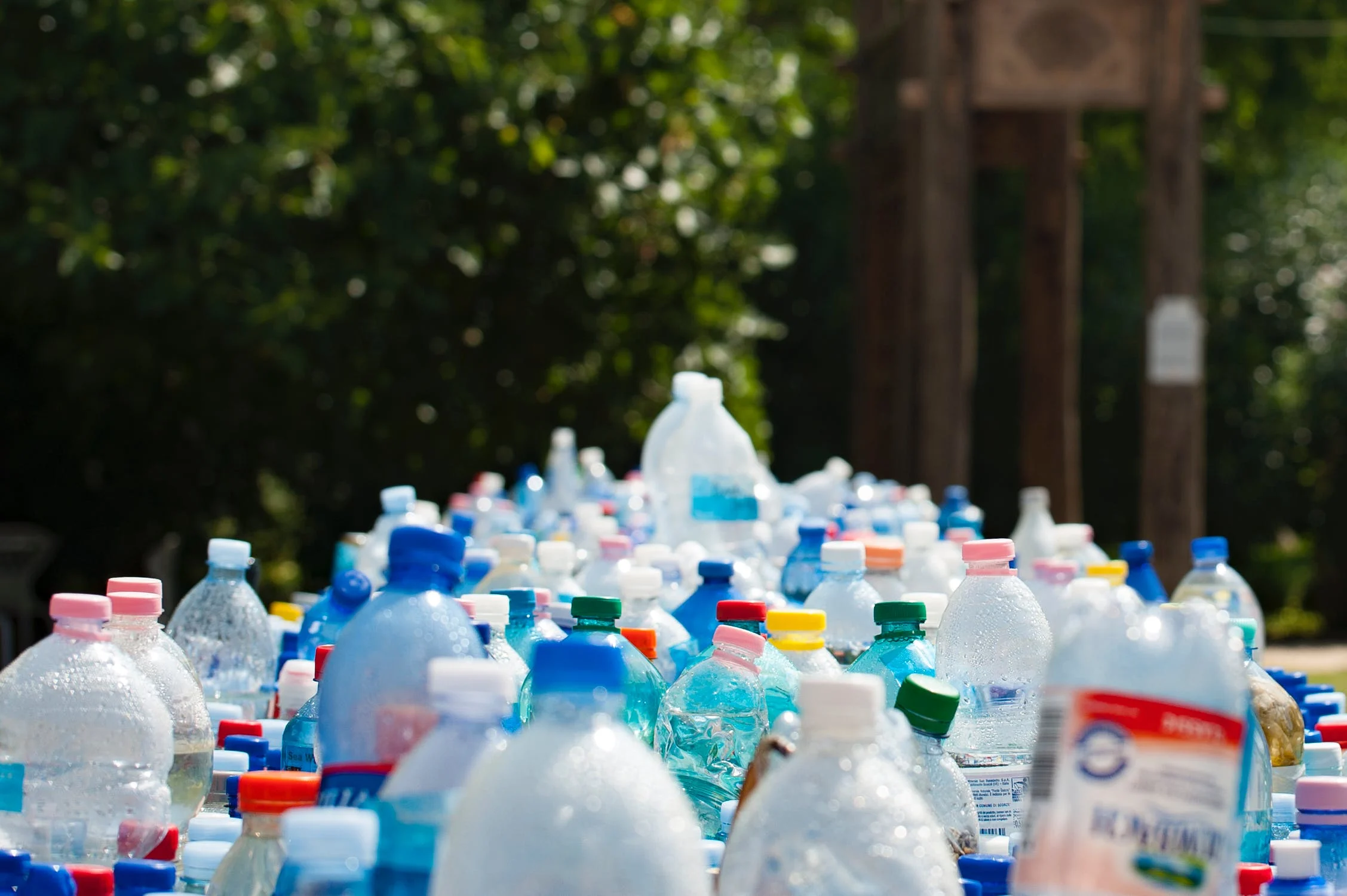
13. Recycle cans, bottles, and paper.
14. Recycle ink cartridges by donating them to local ink-refill shops or having them refilled.
15. Donate unwanted books, magazines, equipment, and art supplies to your local university.
16. Return computer and electronic equipment to its roots. Many computer manufacturers take back old and broken equipment and recycle it at their facilities. For more on the problems created by computer and electronic equipment in landfills, and for links to companies that will recycle the materials for you, see the creativepro.com article “What Goes Around Comes Around” and Microsoft Canada’s “Recycle Old Computers and Equipment“.
Reuse
17. Reuse scraps of illustration board and watercolor paper for spot illustrations.
18. Reincarnate failed illustrations by priming them and painting over them.
19. Revive dried-up tubes of guache and watercolor by opening the end of the tube, adding a little water, and working it back into a paste.
20. Resharpen blades from paper cutters, Exacto knives, and pencil sharpeners rather than buying new ones.
21. Trim down old printouts and use them as notepaper by the phone.
22. Wash and reuse empty glass and plastic jars, milk jugs, coffee cans, dairy tubs, and other similar containers for paint water buckets or to organize studio supplies.
23. Rip old cotton clothing into rags for cleaning brushes. Wash and reuse the rags.
24. Transform damaged oil painting brushes into stir sticks, or use them for painting with adhesives and other unusual materials.
25. Buy second-hand office gear locally, and sell it locally when you no longer need it.
26. Rather than buying garbage bags, line your bins with plastic shopping bags.
27. Avoid toxic products by using common household products instead; for instance, make your own glass cleaner by mixing 1 tablespoon of vinegar or lemon juice in 1 quart of water. For more examples, go to this handy EPA site: https://www.epa.gov/epaoswer/non-hw/reduce/catbook/alt.htm
28. Reuse packing materials (bubble wrap, popcorn foamies, cardboard boxes) for your own shipping.
Reduce Waste
29. Clean brushes in a glass of water rather than under running water.
30. Use supplies until they’re completely finished.
31. Slice open paint tubes (especially watercolor tubes) to get out that last bit of paint.
32. Back up files on DVD rather than CD. You can fit five times more information on a DVD than a CD, so you need four fewer discs.
33. Go paperless: Approve print runs by accepting color-correct PDFs from your printer, send invoices digitally, use email, backup files to an external drive or online… but print only what you need.
34. Instead of photocopying articles from magazines and books, use your scanner and save multi-paged PDFs. It reduces use of toner, paper, and energy.
35. Share subscriptions to design magazines with other colleagues.
36. Don’t buy products with a lot of packaging.
37. Don’t take a plastic bag for small purchases; just carry out the product.
38. Take canvas bags with you to the shops instead of using the shops’ plastic bags. You can even emblazon your bag with your business logo for easy advertising. In Australia, there’s a brilliant Green Bag campaign at grocery shops, butchers, and the post office. At only a dollar each, it’s easy to do your part.
39. Maintain and repair your equipment and tools so they last longer.
40. For events you host, meetings with clients, and gallery shows, use fabric napkins and non-disposable plates, glasses, and cutlery. You can rent them for the night, use your own, or buy them from a dollar store. It’s classy and reduces waste. Wash them and save them for your next big event.
Reduce the Use of Harmful Chemicals
41. Dispose of artist chemicals (turpentine, mineral spirits, varnishes, paint, etc.) by contacting your local waste management. Do NOT dump them down the sink or toilet.
42. Buy biodegradable and environmentally safe chemicals to replace turpentine.
43. Avoid using aerosol sprays and adhesives.
44. Use environmentally safe (biodegradable) cleaners. When they’re empty, buy refills instead of new units. That’s better for the environment and often a better value for your dollar.
Reduce Energy Consumption
45. Set your computer to switch to sleep mode when idle rather than a screen saver.
46. Turn off electronic devices not in use, such as scanners and printers when idle.
47. Consolidate your office equipment. With the right software, a computer can replace your stereo, radio, and television.
48. Lower your thermostat by two degrees in winter and raise it by two degrees in summer.
49. Clean or replace filters on your furnace and air conditioner.
50. Switch to green energy, which comes from renewable energy sources such as wind or the sun. It’s only a couple dollars more a week.
51. Go into the studio earlier and go home earlier to use more of the natural daylight, and consume less energy.
52. Work outside when you can to reduce the energy you consume when lighting your office.
53. If your studio is dim, put up a few large mirrors to reflect what little light you do have. They’ll also make your space feel bigger!
54. Replace your studio bulbs with compact fluorescent light bulbs. This is one of the easiest changes you can make with the biggest impact.
Location, Location, Location
55. Choose a studio location within walking distance to amenities. Walk to the coffee shop, the library, and so on.
56. Have a window? Bring in some plants to add oxygen and life to your studio. If you work from home and have a yard, plant a tree.
Transportation
57. Take a bus to work.
58. Carpool to work.
59. Buy or lease a fuel-efficient, low-polluting car.
60. Keep your car tuned up. Regular maintenance helps improve fuel efficiency and reduces emissions.
61. Check your tires weekly to make sure they’re properly inflated, as proper inflation can improve gas mileage by more than 3%.
Talk About It
63. Stay informed on what’s going on with environmental issues.
64. Vote for environmentally aware and active candidates, and for environmentally friendly legislation.
65. Pass along this list to any creative professional you know.
66. Talk about ideas for designing and illustrating for a sustainable environment with your colleagues. Being aware is the first step on the road to a sustainable environment!
Heather Castles is a Canadian illustrator and designer living in Adelaide, Australia. A tree-hugger since childhood, Heather hopes to continue helping to save the environment… one designer at a time. You can find her at www.illustrationcastle.com and blog.illustrationcastle.com.
This article was last modified on January 3, 2023
This article was first published on October 16, 2006
Commenting is easier and faster when you're logged in!

Recommended for you

Photoshop CS6 Quick Reference Guide
If you use Photoshop every day, chances are you’ve committed to memory the...

Photoshop CC 2015.5 New Features
Adobe has promised subscribers to its Creative Cloud plan that it will release m...
Stocksy United: a sustainable option for photographers
Stocksy United is a new co-operative stock photography site co-founded by Bruce...