

Editor’s Picks for The Design + Marketing Summit 2026
Our Editor in Chief lists his must-see sessions for The Design + Marketing Summit 2026.

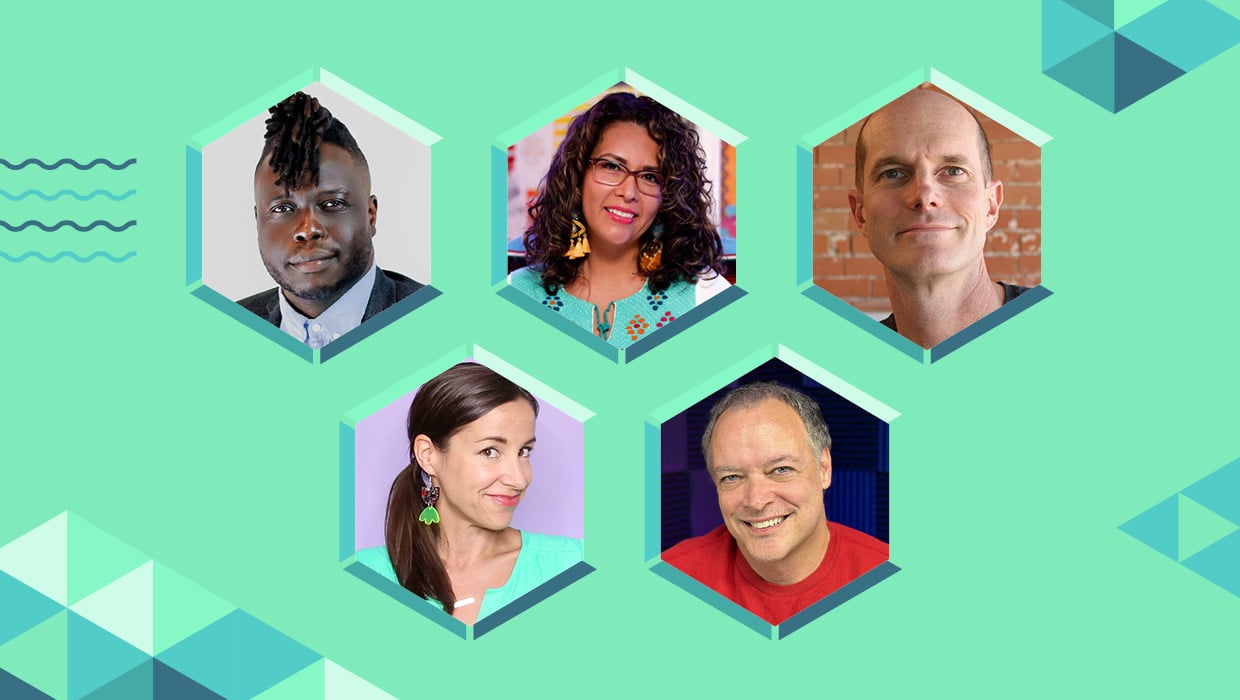
The Design + Marketing Summit 2026 is coming to your screens September 14–15, 2026. Two days. Twelve sessions on real-world workflows for social media, email, print, brand systems, and motion using Photoshop, InDesign, Illustrator, Adobe Express, Canva, and more.
It’s going to be great from start to finish but here are five sessions I’m especially excited about.
Creative Direction: Your Differentiator in the Age of AI

AI can help you generate a hundred variations of anything in the time it used to take to make one. Congratulations. Now what? Having more options doesn’t make the hard decisions any easier (and someone still has to make them). In this session, Vincent Wanga takes a clear-eyed look at what creative direction means when the tools constantly evolving, and where human judgment still has the greatest impact on marketing outcomes. He’ll explain why brand strategy is more important than speed. If your organization is producing more content than ever without producing more impact, this session is for you.
Turn One Campaign into a Multi-Channel System

One campaign concept. Forty-seven deliverables. Did your eye start twitching when you read that? If so, you know how this usually goes. In this session, Chris Converse walks through the practical production side of multi-channel campaigns. He’ll show how to build a coordinated set of assets from a single brand system so that everything from a print piece to an email header to a social post feels like it came from the same place. Using Adobe tools alongside AI, Chris demonstrates how adaptable layouts, reusable design elements, and organized assets make omnichannel production manageable rather than maddening. If you’ve ever delivered a beautiful campaign concept only to watch it fragment across formats, Chris’s session will change how you work.
Bringing the Human Touch Back to Marketing Design [Project-Based]

Take a scroll through any brand’s social feed right now. Chances are good that something feels… familiar. As AI-generated visuals proliferate, marketing campaigns are starting to look like they came from the same source (because a lot of them did). Khara Plicanic’s project-based session makes a case for the handmade as a competitive advantage. You’ll see how handcrafted illustrations, original patterns, and custom textures can become distinctive brand assets that help clients stand out with visuals that feel personal and genuine. You’ll come away knowing how to draw simple illustrations with marker pens, Illustrator, or Photoshop; create repeatable patterns; build textures for digital and print; and develop handwritten letterforms. The project-based format means you can actually do it, not just watch someone else do it.
Design Direct Mail That Delivers

Direct mail has changed. What once felt like an expensive, hard-to-measure gamble has evolved into one of the more targeted channels in a marketer’s toolkit, and designers who understand how it works are increasingly valuable to their clients and employers. Chris Carls covers how targeted mailing lists, buyer data, and variable data printing allow campaigns to reach the right people with personalized messaging—and how your design choices directly affect whether a mail piece gets opened or tossed. You’ll leave with a clear understanding of how modern direct mail programs are planned, executed, and measured, along with practical guidance on the production and postal considerations that influence whether a campaign succeeds. This is the session that will make you the smartest person in the room the next time someone says “nobody reads mail anymore.”
Building Brand Systems with Purpose and Personality
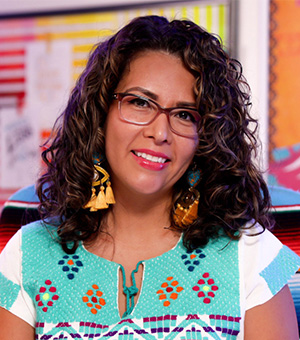
A logo is a starting point, not a destination. Nicte Cuevas’s session is about what comes after—developing the full visual language that shapes how a brand communicates across every touchpoint. She shows how purpose, voice, and audience insight drive design decisions at every level, from color and typography to imagery and tone, and how those decisions get codified into systems that marketing and design teams can actually use day-to-day. Illustrator, InDesign, and Adobe Express serve as the workflow hub for building brand assets, guidelines, and templates that keep teams aligned without requiring a designer (probably you) to hold everyone’s hand through every execution. If you spend any part of your work life building or maintaining brand systems, Nicte’s session is well worth your time.
A Practically Perfect Event
The Design + Marketing Summit brings together the kind of practical, expert-led instruction that’s hard to find anywhere else. There’s no filler, no hype. Just two days of laser-focused expert instruction on the ideas and tools that matter now. You can put what you learn to work the following day. Check out the full agenda and join us September 14–15.
LEARN MORE & REGISTER
CreativePro members: Don’t forget to use your discount code found on the Member Benefits page!
This article was last modified on August 6, 2026
This article was first published on May 23, 2026
Commenting is easier and faster when you're logged in!
Recommended for you
Advice for In-House Graphic Designers
Often In-House Graphic Designers are overlooked when it comes to advice and cont...
Scanning Around With Gene: The Dead Letterhead Department
Like many baby boomers, I didn’t plan as well as I should have for my future bac...

Interview with Sara Rosinksy, Crackerjack Copywriter
Q&A with Sara Rosinsky, who is presenting Copywriting Essentials at the 2023 Des...