




I’ve never been all that much of a gardener, though I’ve spent my fair share of time toiling in the dirt. I can explain the difference between a perennial and an annual, and I know my petunias from my pansies.
Of all the gardening activities, the most gratifying by far is growing something from seed. The idea of a full-grown plant, let alone something like a watermelon, coming from a tiny seed is a wonder of nature I’ll never quite get over. A little soil and some water and next thing you know you’ve got a giant squash on your hands, or a towering tree.
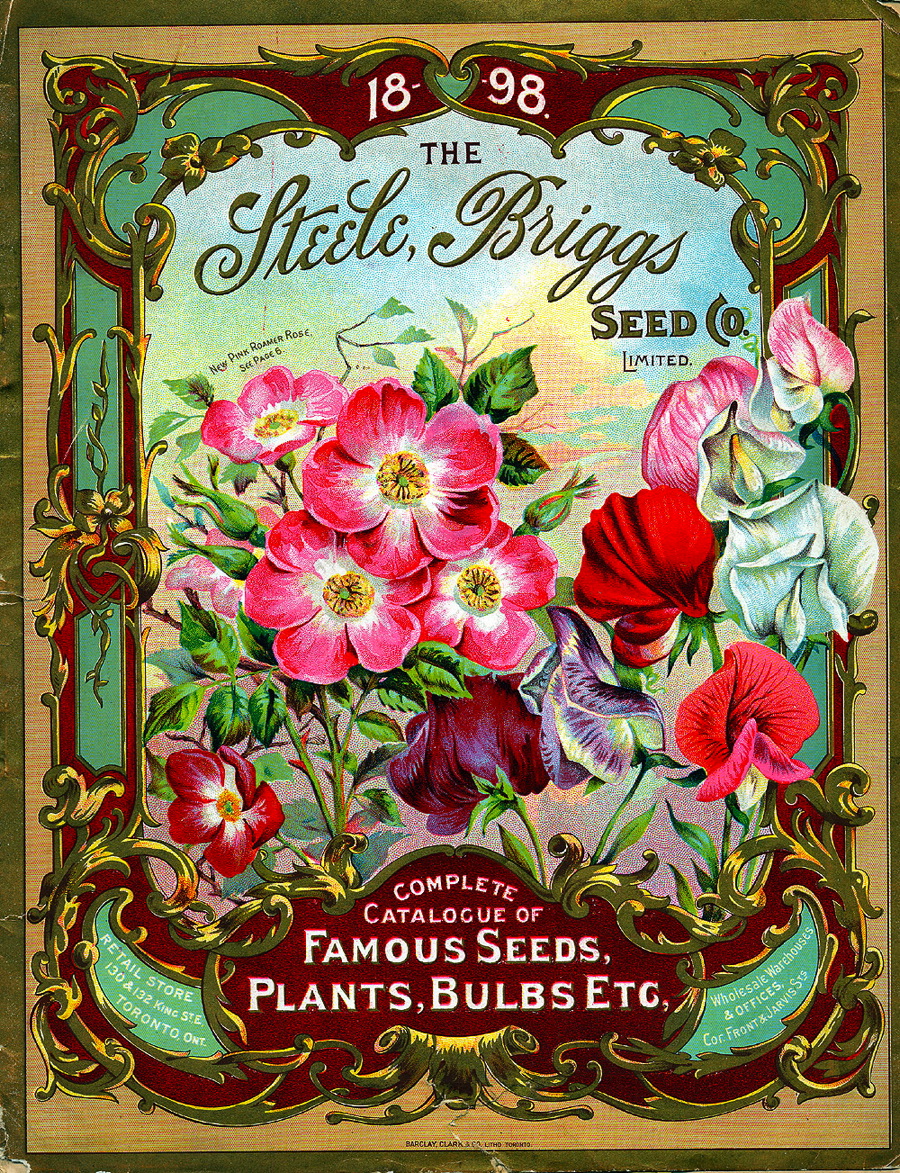
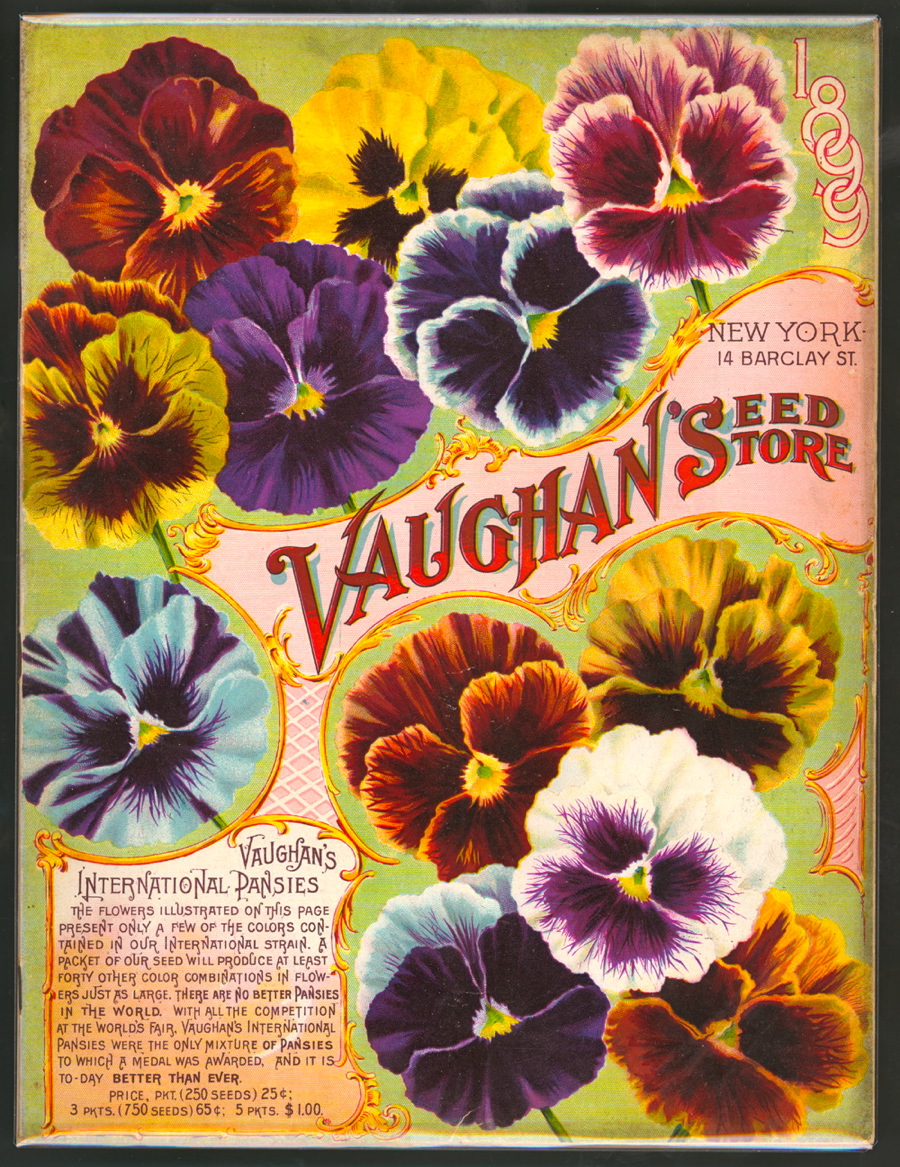
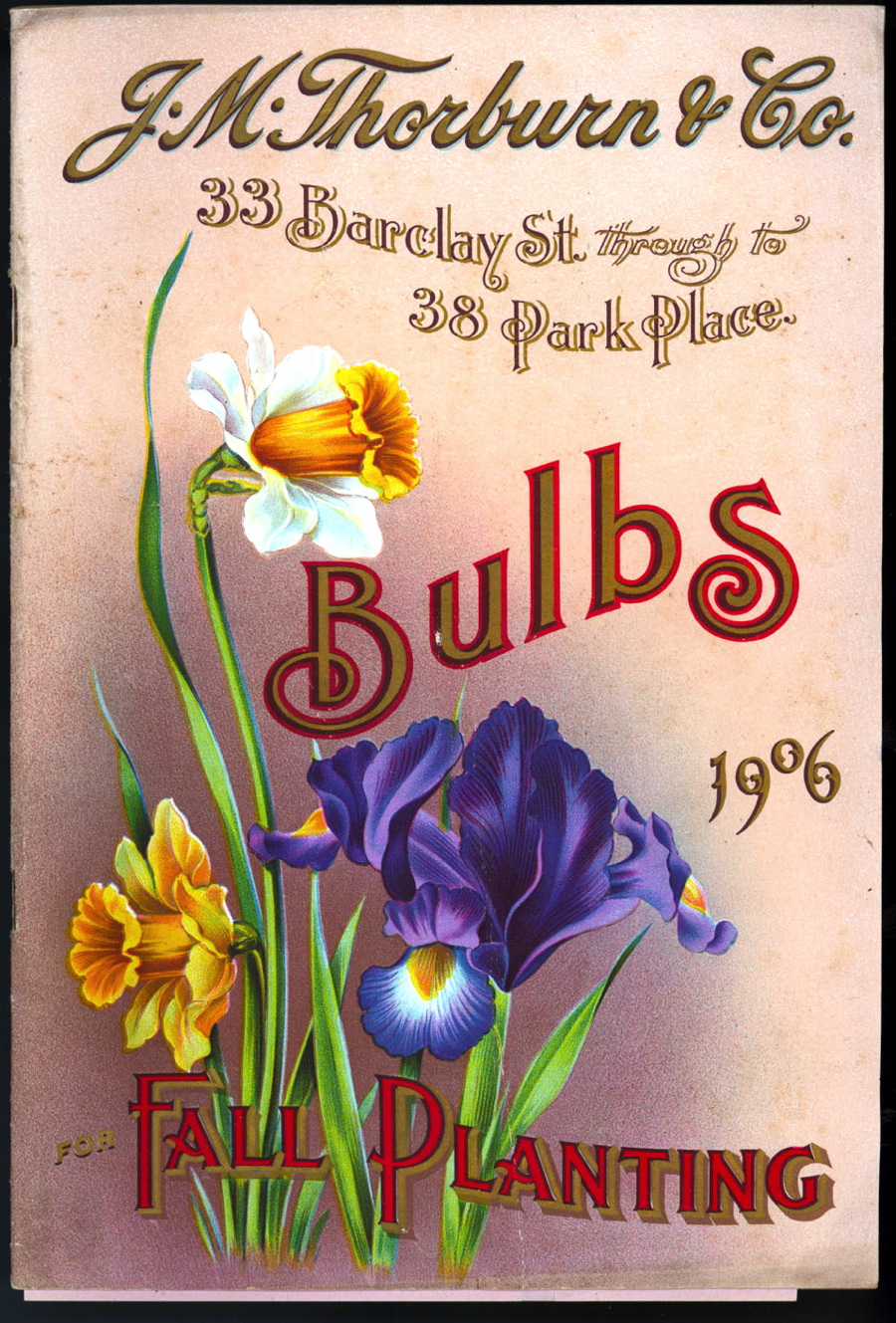
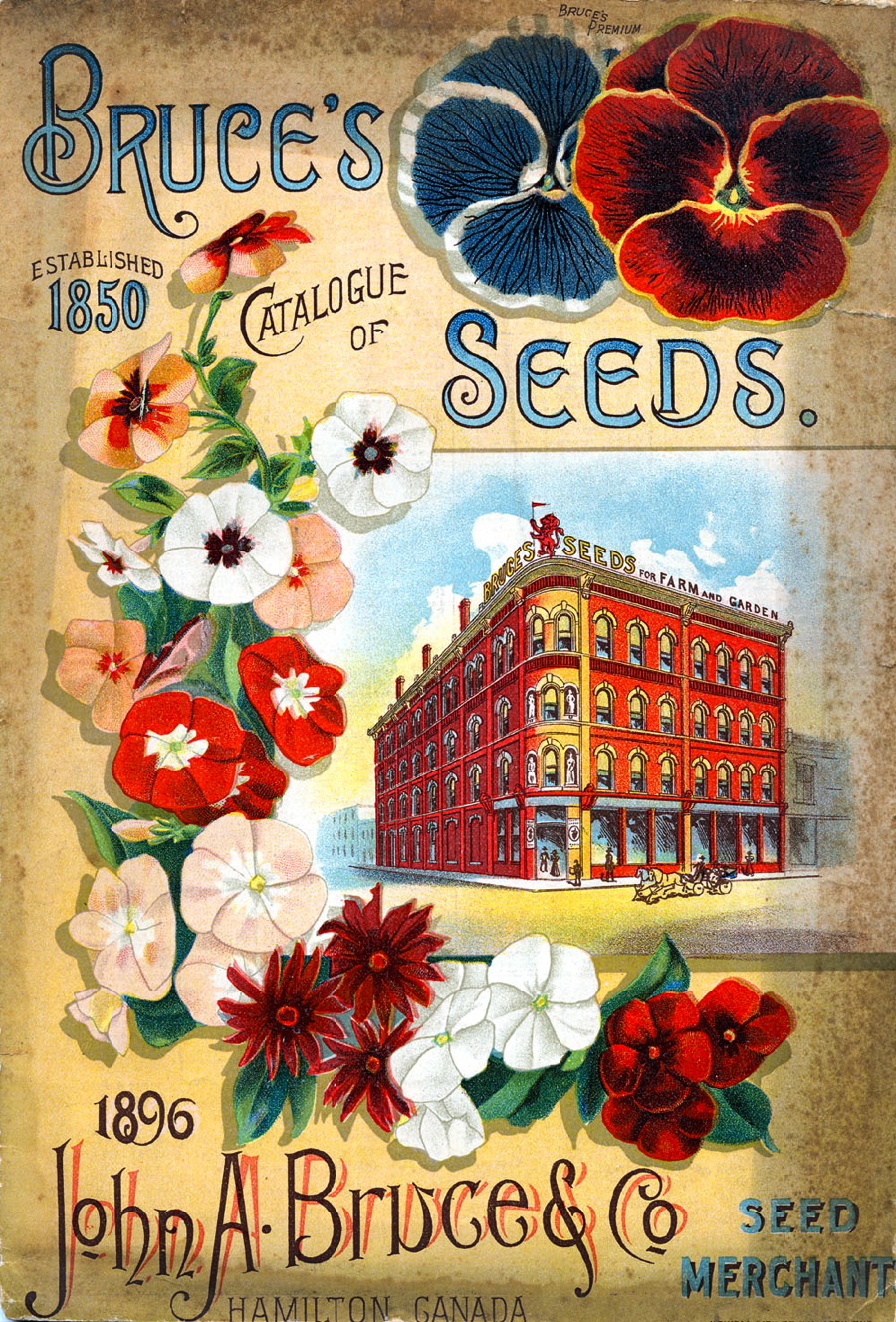
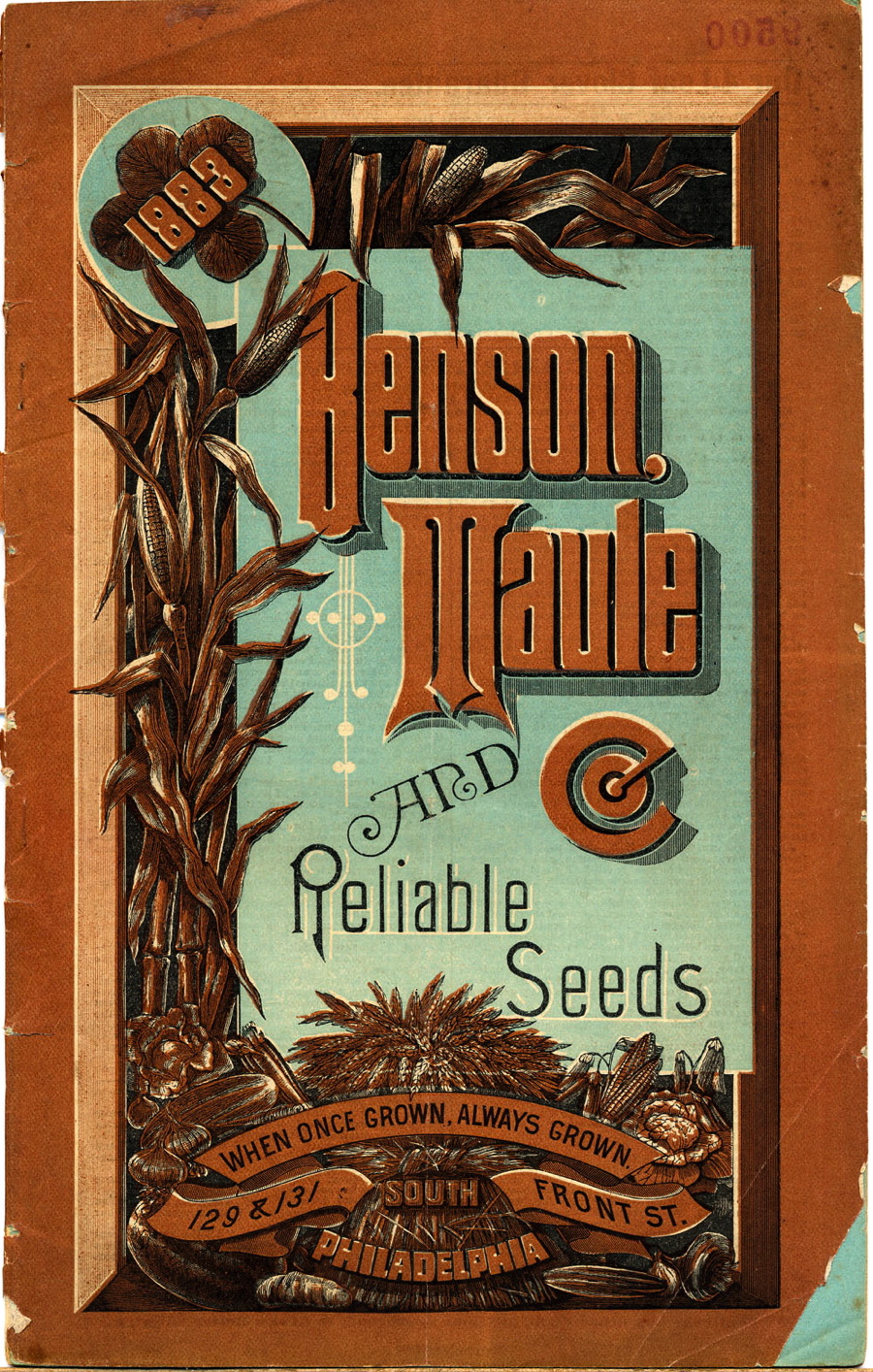
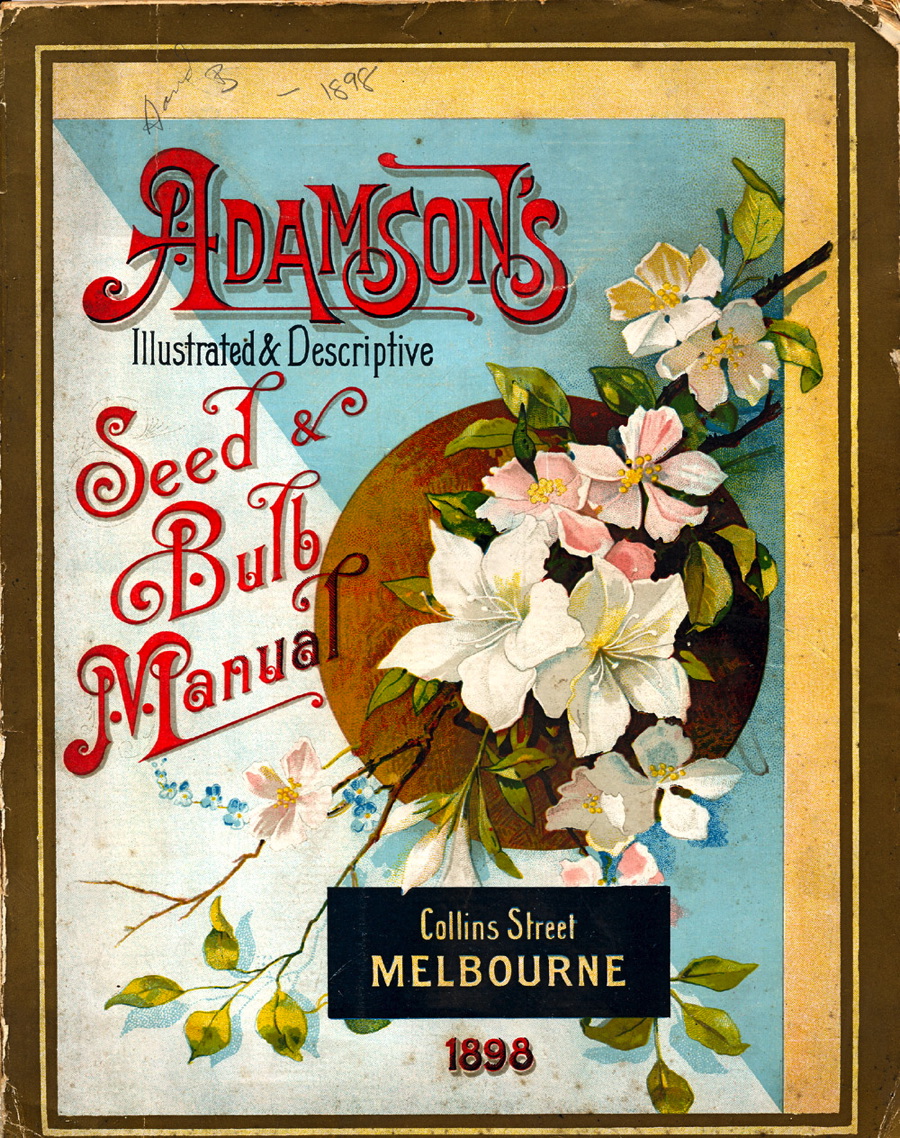
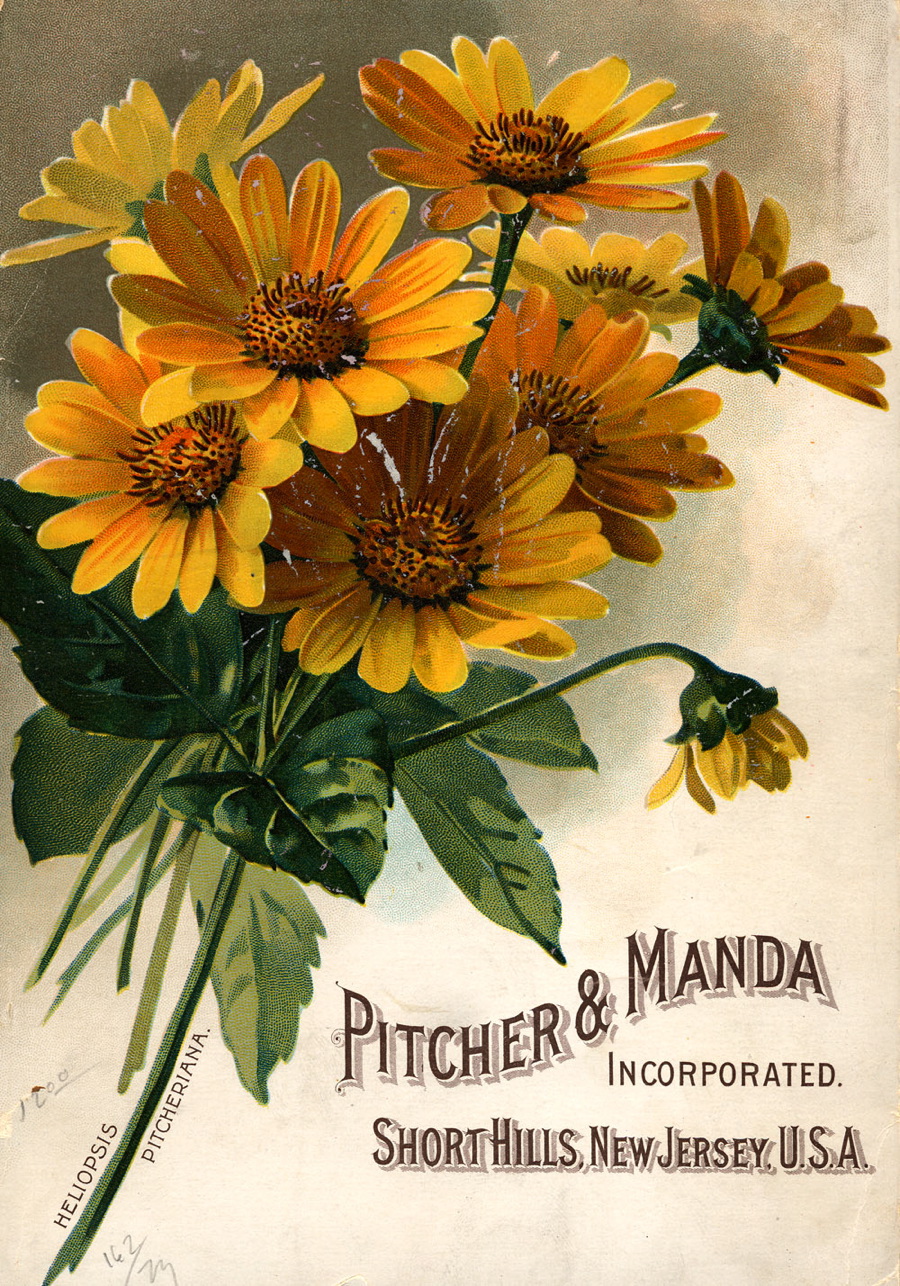
So today I thought I’d look at turn-of-the-century — the 19th one — seed catalogs, courtesy of the Smithsonian collection. The collection is extensive and well cataloged, and it’s a great example of the printing technology and type design of the time. Click on any image for a larger version.


I was not exposed to much gardening at my childhood home — there the landscape consisted mostly of different juniper plants and a couple of fruit trees that were already there when we moved in.

But for some reason at about age 8 or 9 I decided to start a small vegetable garden in a side yard. I planted radishes, lettuce, and carrots as I recall.

I carefully tended my garden for a while but as with many childhood projects, I lost interest pretty quickly, although I do remember getting at least one carrot and a couple of radishes.


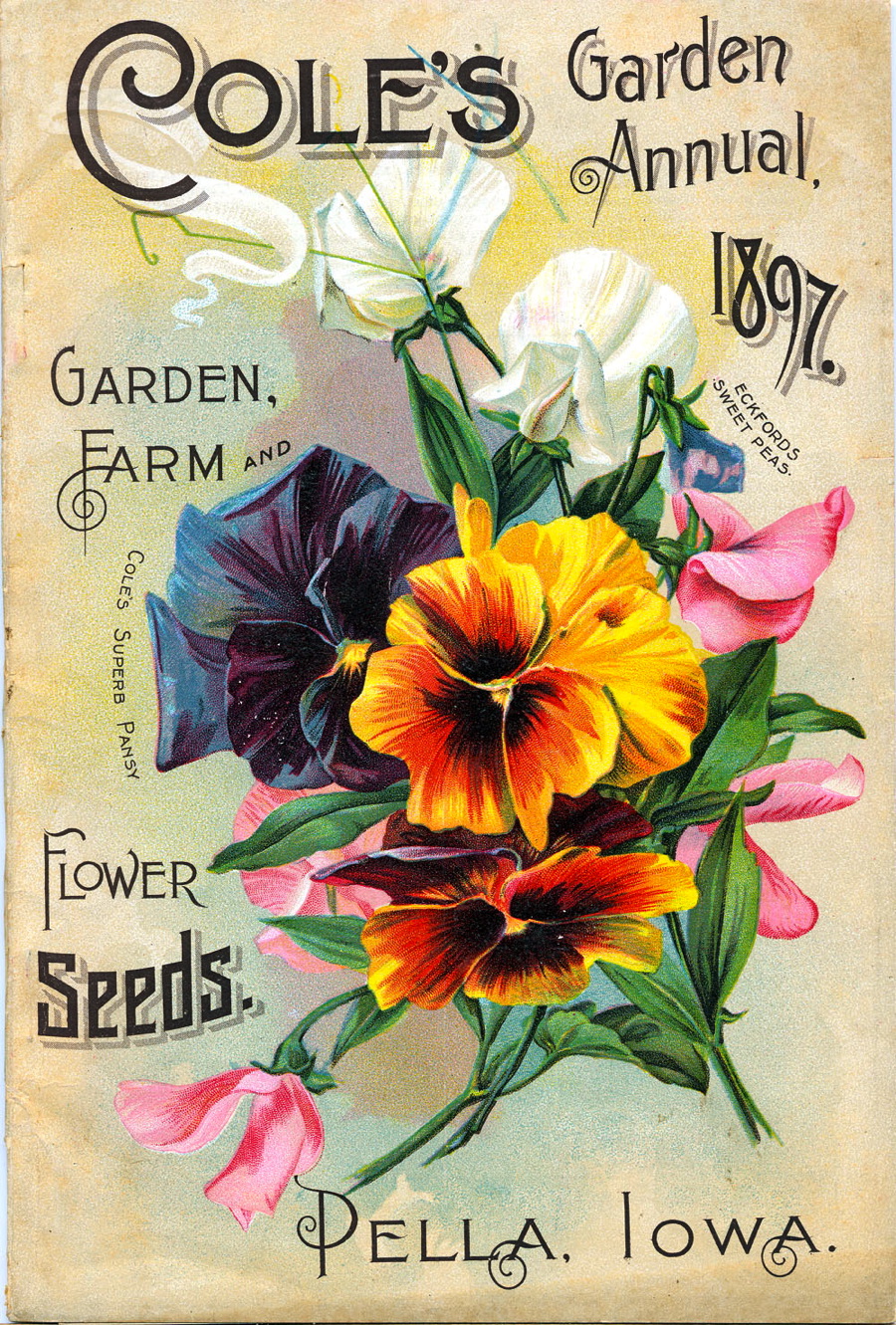
Seed packets and seed catalogs have always been known for their design and ornamentation, though these days you’re more likely to see photographs of the plant than illustrations.
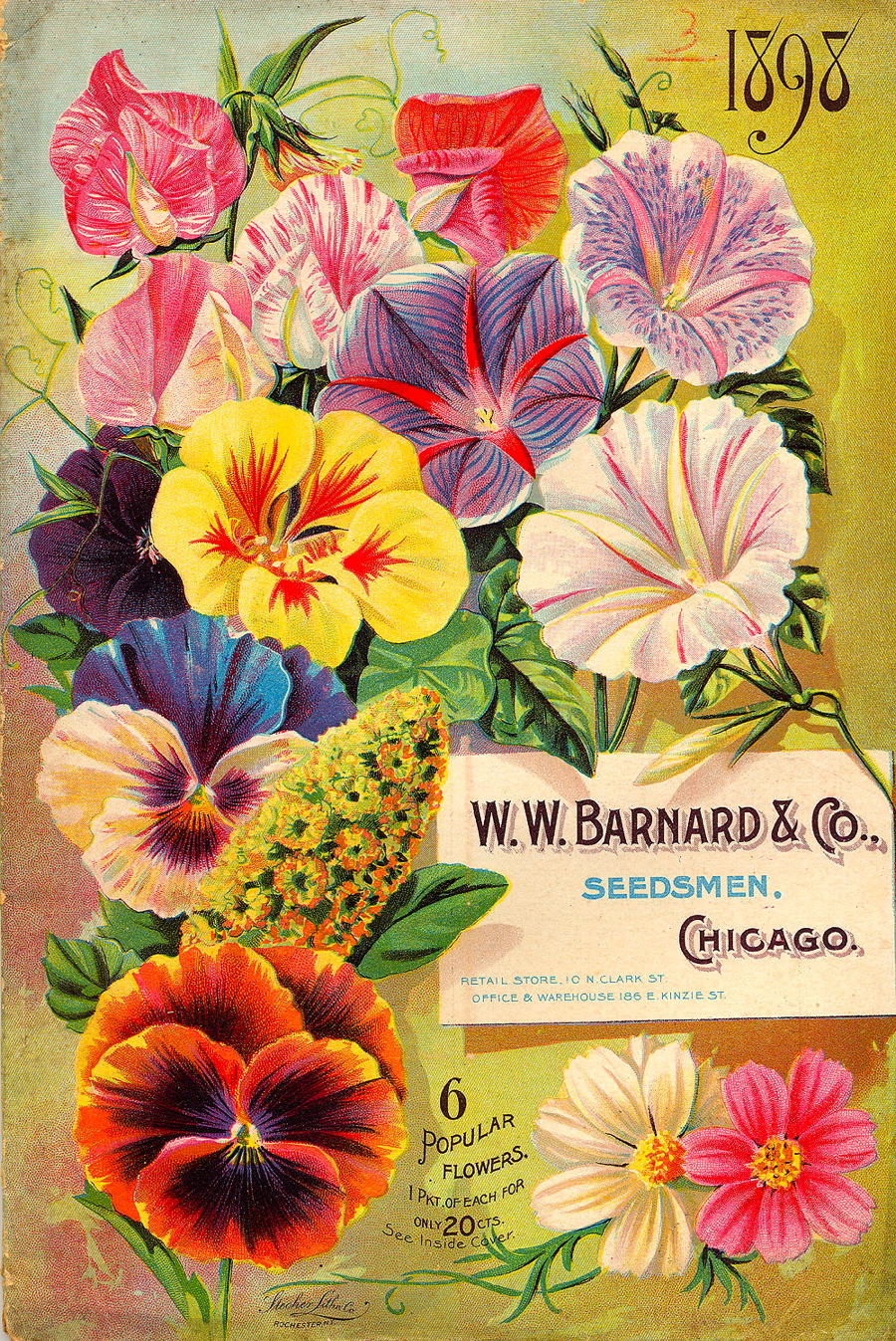

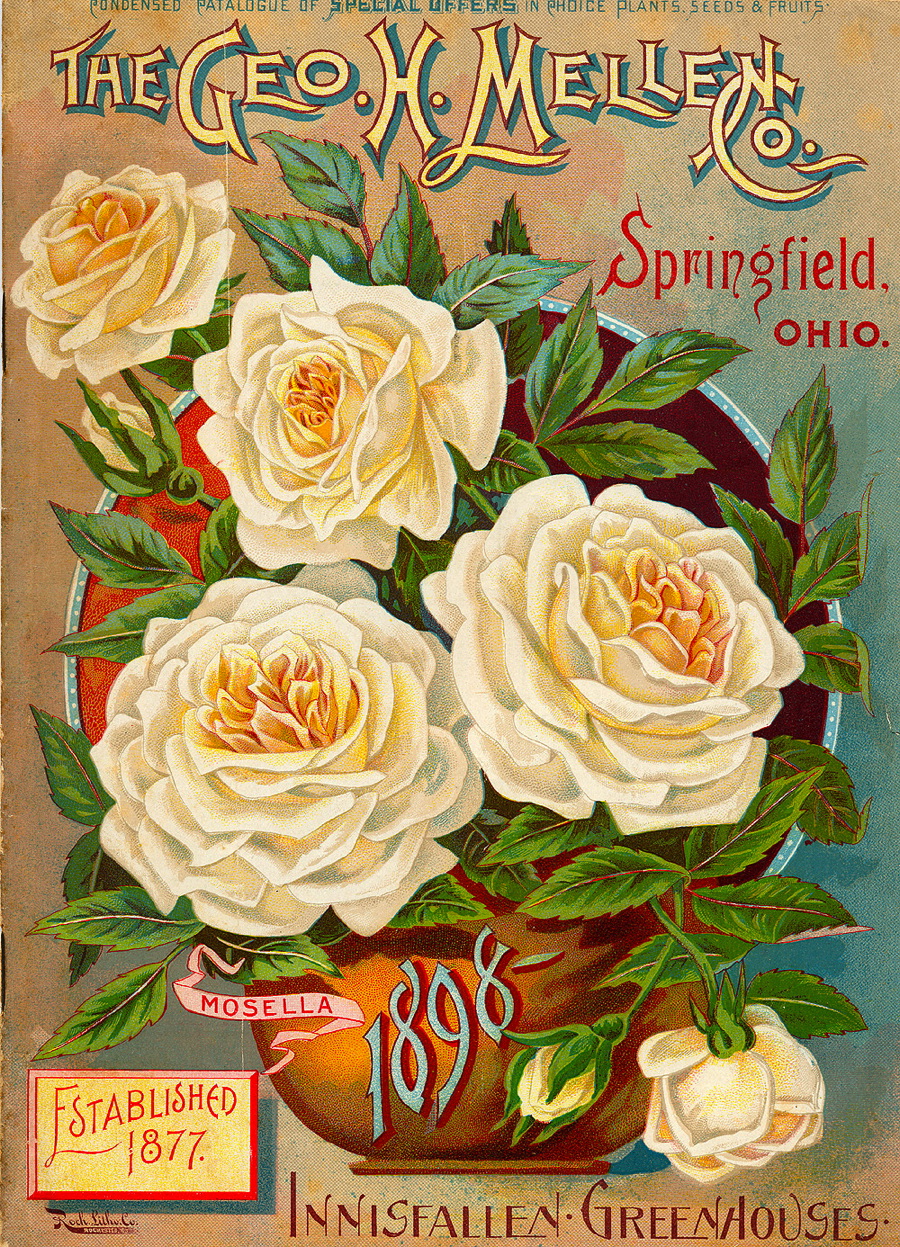
I particularly like the type on these designs — all primarily hand lettered, many with ornate swashes, intertwined letters and swooping baselines — very typical of the times.


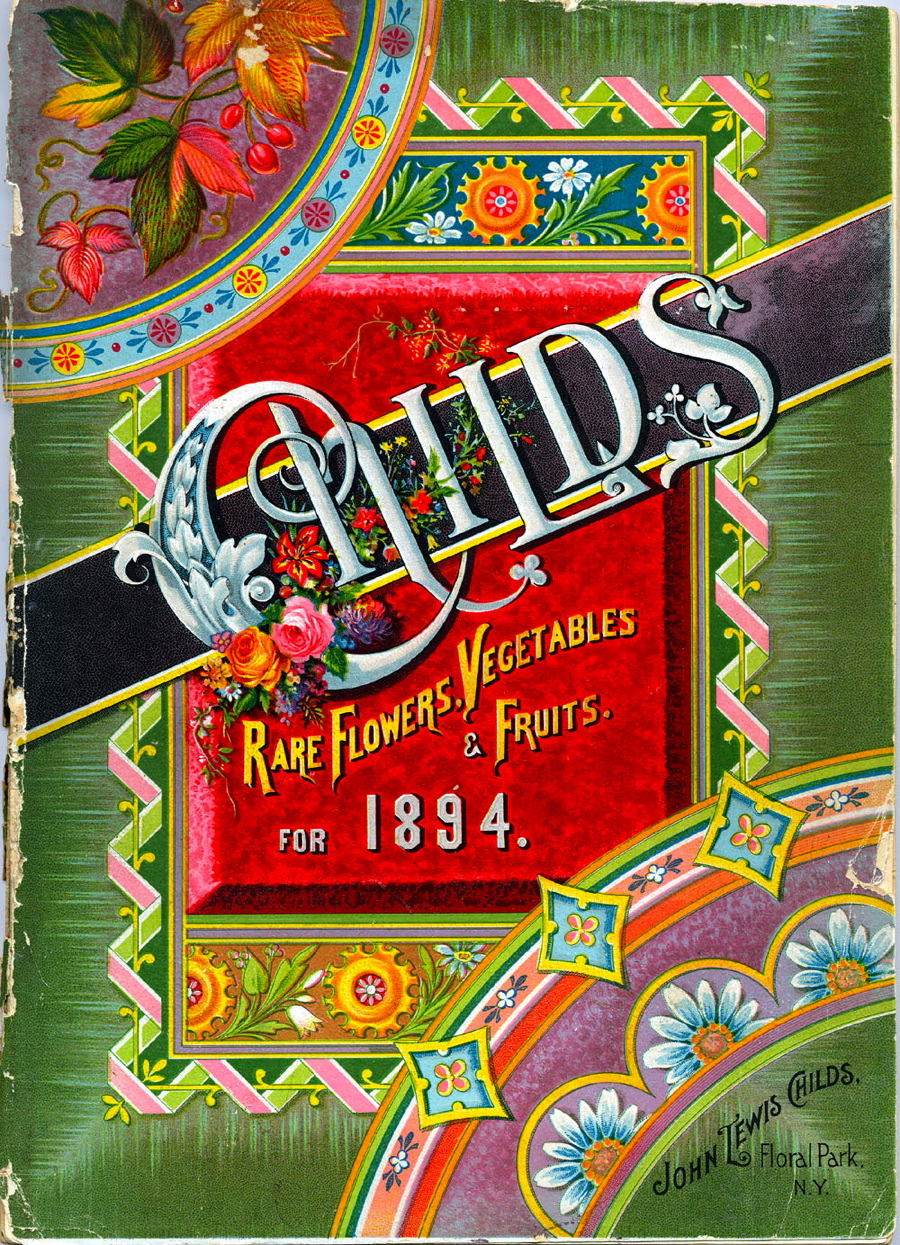
Many of the illustrations are hand-engraved in tremendous detail, — the work of master craftsmen working with fine tools. I suspect that to get the bright colors many of these catalogs use up to 8 to 10 different inks, which was also common at the time.
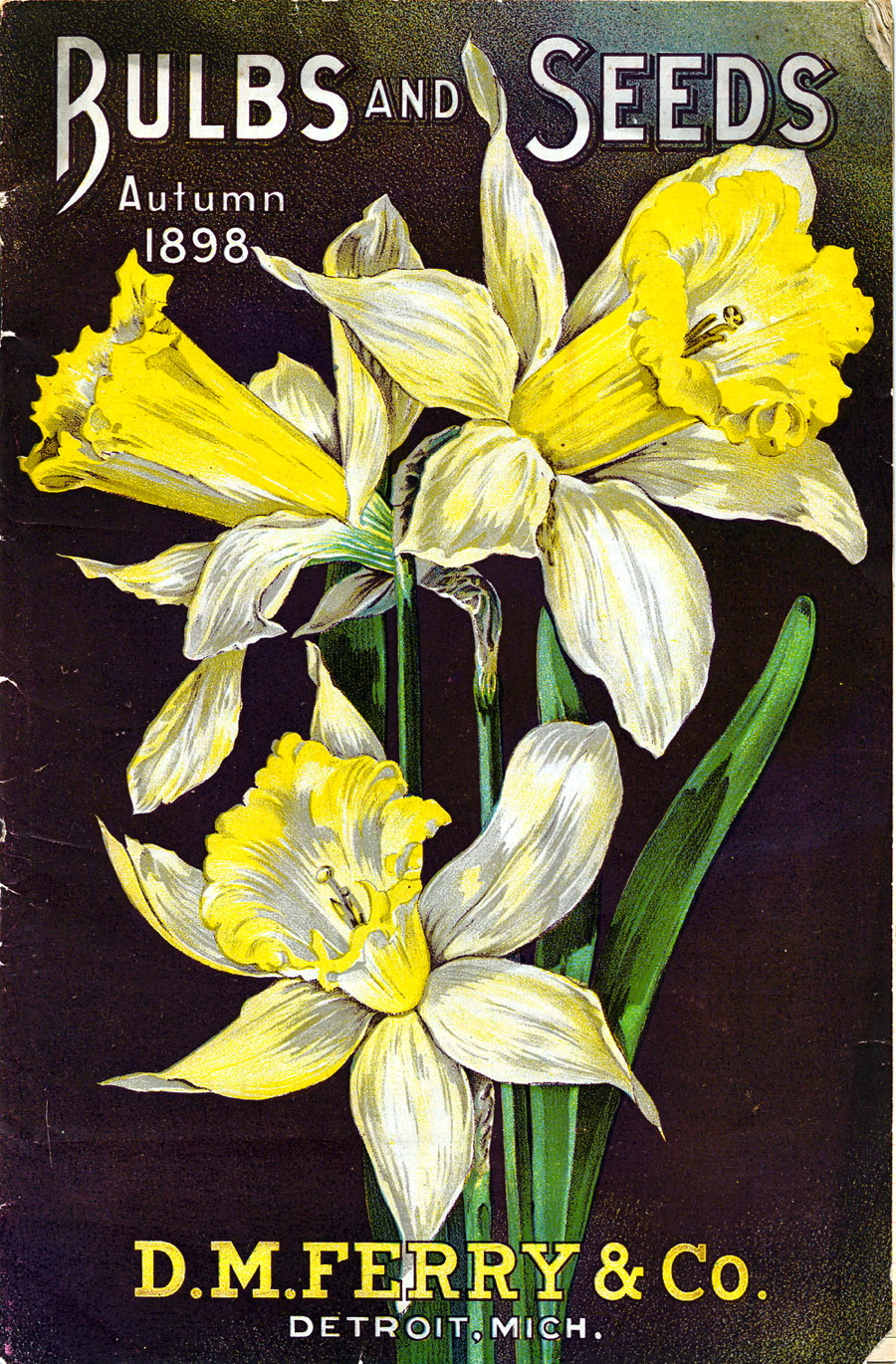
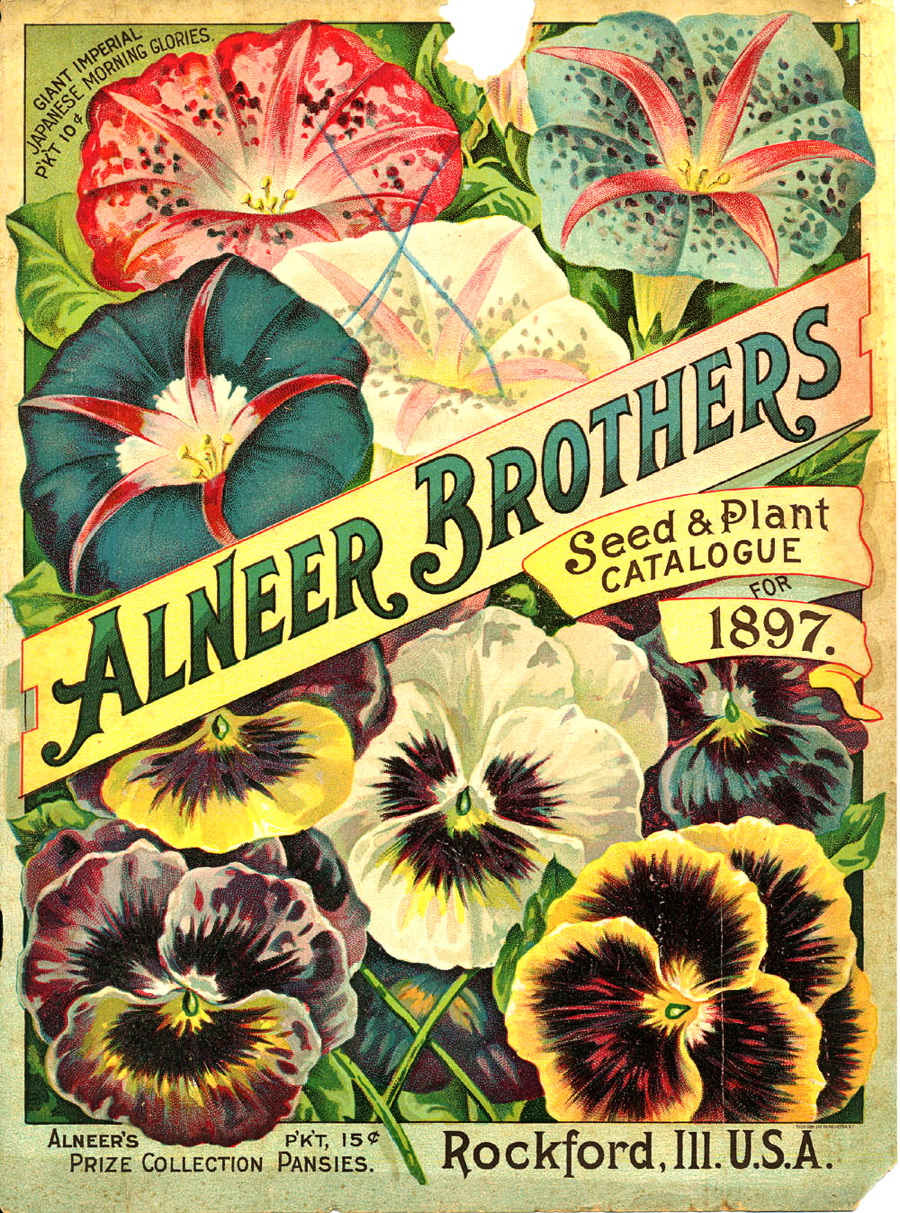
Gardening has always been a popular pastime, obviously so back in the late 1800s when most of these catalogs were published. And although many contemporary seed and plant catalogs are well designed, they don’t, in my opinion, even come close to the rich look of these beauties.
This article was last modified on March 2, 2021
This article was first published on March 30, 2012
Commenting is easier and faster when you're logged in!

Recommended for you

Setting Readable Reversed Type
Learn how to maximize the readability of light type on a dark or busy background...

The Design, Illustration, Lettering and Typography of Daniel Pelavin
Meet this inspirational jack of many trades whose work encompasses illustration,...

25 Type Tips
Reprinted from InDesign Magazine Issue 56: October/November 2013 Join InDesign S...