


11 Tips To Get More Out Of Your Freelancing

This article is courtesy of Freelance Switch.

We all know there are advantages of being a freelancer, especially if you have the luxury of working at home. Unfortunately, it’s hard to be creative every single day, especially if you’re worrying about payments, existing clients, finding new clients, feeling overworked, or whatever.
Don’t get overwhelmed. Here are some general tips to get the most out of your freelancing efforts.
1. Get rid of dud clients. Your ‘dud’ clients are not necessarily bad people. But you’re running a business and if you’re working and not getting paid (at all or on time), then dud clients need to go.
2. Increase your rates. The math is simple, the decision to raise rates is harder. Start by charging more for new clients and for old clients who come back to you after a time. Leave the current rates for clients alone for now unless you think they’ll accept. A strong component to making rate raises work is to have emergency funds and savings. When you have a secure feeling about your finances, this is projected in your communications, whether by e-mail, chat or voice. You’re not worrying and thinking, “What if I say my rate is up and they say ‘no’… what if they all say no… how am I going to pay my bills.”
3. Increase your revenue streams. My brother, co-owner of a successful ad agency, said to me recently, “Don’t think of yourself as a freelancer. Think of yourself as a business owner.” Wise advice. What do (successful) business owners do? They come up with other ways to earn income.
4. Become an entrepreneur. This is really an extension of the last point, but becoming an entrepreneur usually involves working with other people, even if it’s collaboration as opposed to hire. I know “synergy” is an overused word, but when you work on something with a compatible colleague, it’s amazing what can come of it. And having someone passing on work to you, and vice versa, is a prosperous feeling. If you’re not going after all forms of prosperity in your work and personal life, what are you doing?
5. Leverage the past. Use what you know and what you’ve done before, whether it’s a bit of research, a sketch or partial design, a snippet of code or a few lines of text. Build upon the knowledge you have, to save you time now. Reuse what you can, when you can.
6. Leverage your creative/productive periods. You know those times when you’re on fire, getting more work done than you might have expected? Don’t waste those times just planning. Use them to get ahead of your workload, so that if you hit a creative “downtime” in a few weeks, you’ll be prepared. This isn’t always easy, depending on the kind of freelance work you do, but it does apply to writing, photography, sometimes even coding or design. You don’t need to produce finished work, if you don’t have a buyer. However, do “sketches” or samples as preparation for work that you are anticipating in the future.
7. Make the effort to plan. Planning really does make the difference between being a successful freelancer and one who is always chasing his/her own tail, trying to get work done. If you’re researching when you should be writing, or writing when you should be sourcing new clients, you’re contributing to a negative sense about your abilities. On the other hand, getting preliminary research and initial tasks for a project out of the way means you can work on remaining tasks with a peace of mind that you have enough time to finish everything.
For example, if I have 3 articles to write for a client this week, but I start scoping/planning on Saturday evening for 15 minutes, then do a bit of reseach for 15 to 30 minutes on Sunday, I now have all three articles prepped. The ideas can brew in my mind’s background processes while I work on something else. Then when I do start writing on Monday, I often have a full or partial article “written” in my head. Because this is such a magical feeling, it means I do my work with confidence, and leaving enough time for edits, should they be necessary.
8. Manage your tasks. While it’s nice to track and manage your gigs and keep a total of how much you’ve earned today, don’t forget that larger gigs will throw you off. A gig that pays, say, $500 will possibly be spread out over several days. If you can, put a separate dollar value on each of the subtasks you perform for this gig and track these values. It’ll give you a bigger sense of accomplishment on a daily basis. This beats looking at your task log and seeing a big zero while working on this project.
9. Enjoy life now. Don’t lose yourself in your work. While it’s good to focus and be productive on client projects, if you have to work day and night all week, you can’t possibly be getting all you need out of life. Now, not in a few weeks or a few months, but now. Otherwise, before you know it, a few years will have passed by, gone forever.
10. Give yourself less time. Set your own work hours and stick to those. Force yourself into efficiency. If you have your workstation set up in your bedroom, it’ll be very hard to separate your work and personal life.
11. Use the snowflake method. This is a method that some personal finance bloggers write about as an option for paying down loan and credit card debt. Instead of paying down the loan with the highest rate, you pay down the smallest loan, to gain a sense of accomplishment. This translates directly to your own client work: Do the smallest, easiest project and get it out the way. When you’re feeling good about yourself, tackle the next smallest project. However, the difference is that you do have to concern yourself with deadlines. If not working on a project NOW means losing a client, then you’d better think twice.
This article was last modified on January 6, 2023
This article was first published on November 24, 2008
Commenting is easier and faster when you're logged in!

Recommended for you
A Script to Export SVG Content From InDesign
With the help of a script, and Adobe Illustrator, you can export InDesign conten...
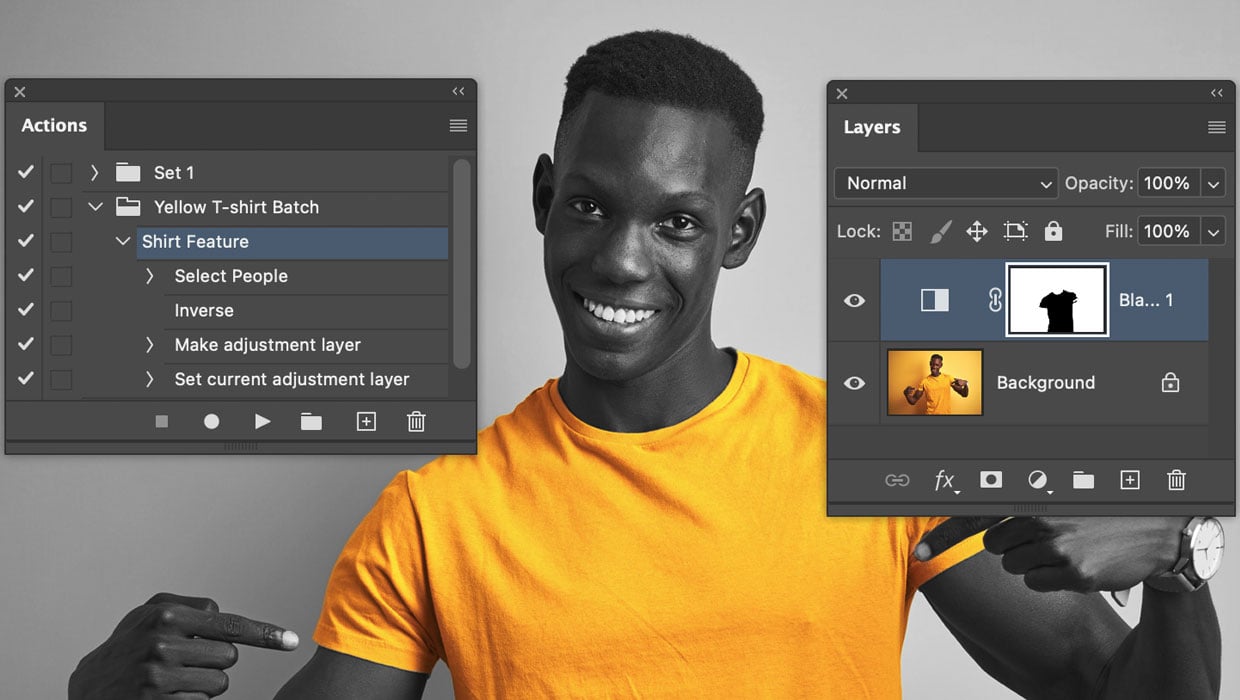
Batch Processing Images with AI-Powered Actions in Photoshop
Here’s how to automate edits in Photoshop by combining the Object Selectio...
Kodak Driving Productivity and Growth in Digital Book Publishing Industry with NEXPRESS and DIGIMASTER Systems
NexPress Solutions, Inc., part of Kodak’s Graphic Communications Group, is...