




Do your designs assist or overwhelm people with different ways of thinking, focusing, processing, and perceiving the world?
Thoughtful design can make the difference between clarity and cognitive overload for neurodivergent users. In this session, Kayleen Holt explores how design choices affect people with ADHD, autism, dyslexia, sensory sensitivities, and other forms of neurodivergence.
Through real-world examples, personal stories, and practical accessibility strategies, you’ll learn how cognitive load, sensory input, memory, and executive functioning shape the way people experience your work—and how small design choices can create the conditions for more users to thrive.
Whether you design websites, presentations, documents, interfaces, or multimedia content, you’ll leave with actionable techniques and a new perspective on how accessible design can support clarity, flexibility, and inclusion for every mind.
You’ll learn how to:
- Recognize common cognitive and sensory barriers in design
- Reduce overwhelm without sacrificing creativity
- Apply practical neuro-inclusive design strategies
- Use the W3C Cognitive Accessibility Guidance in approachable, real-world ways
- Create more flexible, user-centered experiences for a wider range of people
This article was last modified on June 10, 2026
This article was first published on June 10, 2026
Commenting is easier and faster when you're logged in!

Recommended for you

InDesign CS3 Starts Shipping Today (and Those Other Design/Web CS3 Apps Too)
So ? who cares if it's April 16 and you spent your last dollar paying your incom...
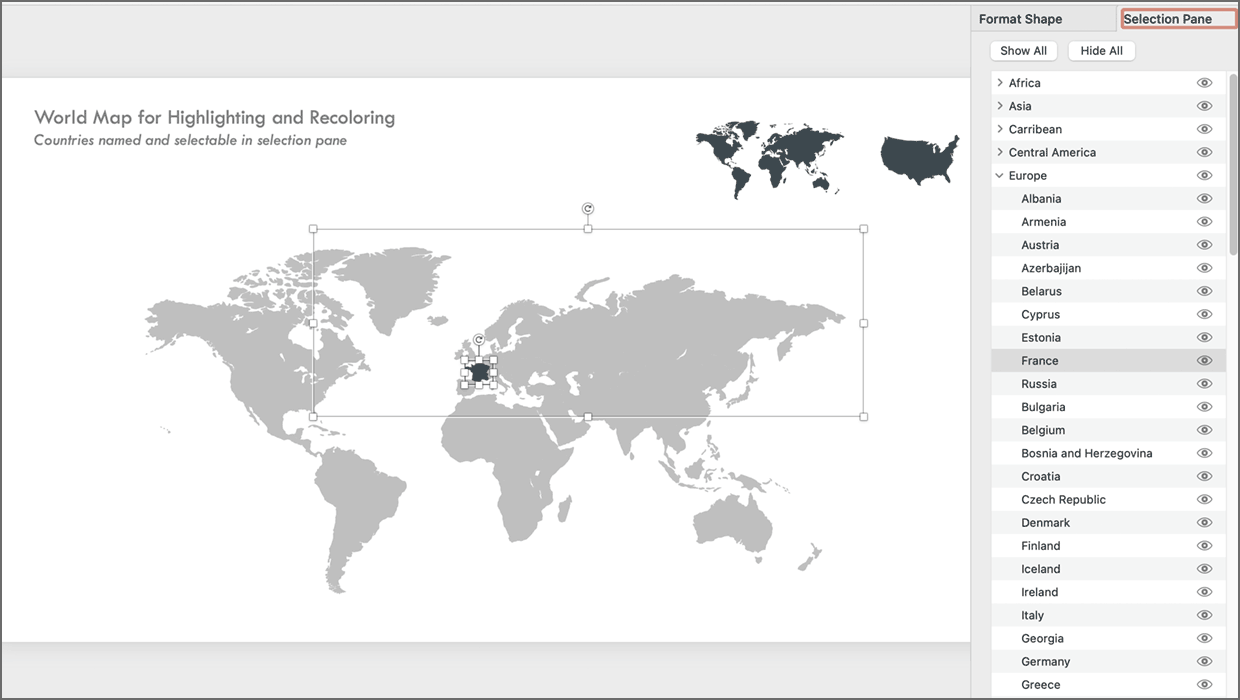
PowerPoint Maps Template
This PowerPoint template contains maps of the United States and world countries...
Adobe Premiere 6.5: Prime Time for Real-Time Video
As the original QuickTime editing application, Adobe Premiere has long been a di...