




Figure 13. Because many products were in short supply and prices higher, some companies, such as Howard Paper shown here, featured over-the-top ads that placed blame squarely on the enemy. Rather than appeal to people’s intelligence for understanding the economic realities of war, these ads took emotional cheap shots. In the text for the Hitler ad (top) the company suggested that Hitler’s “agents in this country are fostering black markets, stirring up opposition to taxes, fomenting strikes for higher wages, searching for loopholes in the rationing set up and otherwise trying to make the war last longer and leave us all broke when it’s over.”

Figure 14. Some companies, such as Sam’l Bingham’s Son Manufacturing (top) and Cromwell Paper (bottom) didn’t exactly promote the War, but used military images and war themes in their ads.
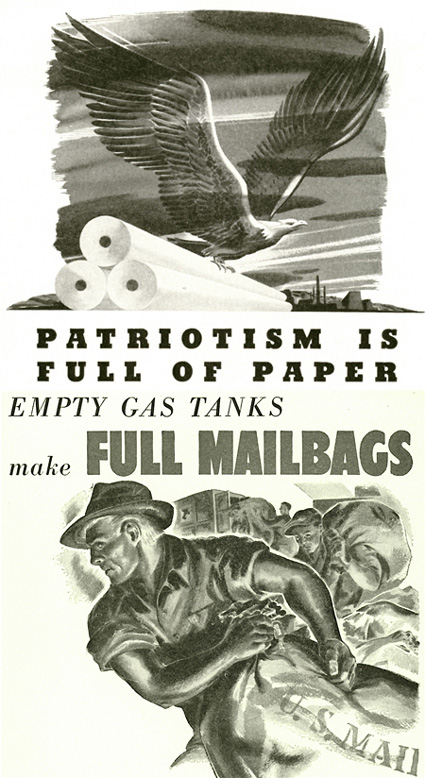
Figure 15. Patriotism is defined a lot of ways, but I never would have said it was full of paper, as Champion Paper did in this 1941 ad (top). At least they didn’t say it was full of pulp. And one unexpected consequence of the gas rationing was a boost for direct-mail sales, as traveling salesmen had to curtail their wandering.
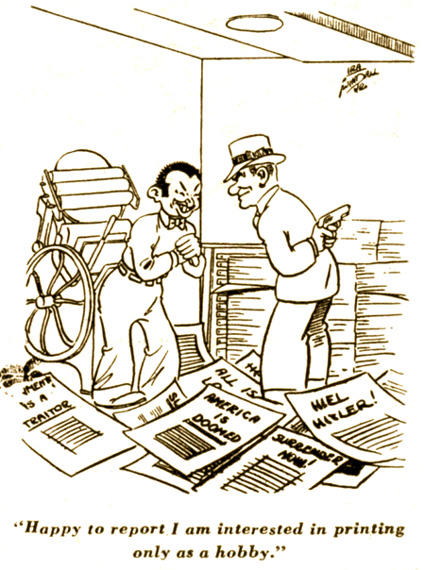
Figure 16. This racially motivated editorial cartoon ran in March, 1943. Not exactly sure what the point was considering that so many other references were made at the time that we were fighting for our freedom of the press, which as this cartoon proves, is not always something to be proud of.
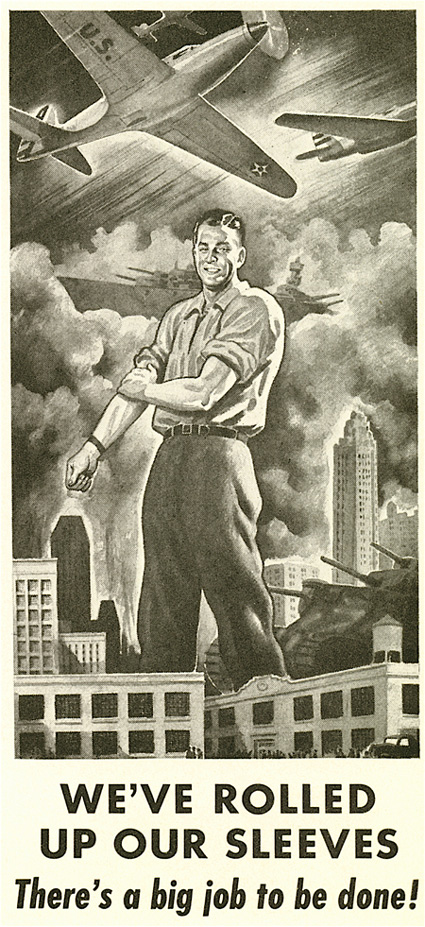
Figure 17. The Ideal Roller & Manufacturing Company used this image in its ads, which also pledged that the company would not raise prices and “capitalize on the present trend of a sellers’ market.”

Figure 18. Promoting the importance of envelopes in war may seem like a stretch, but that’s exactly what the United States Envelope Company did in a series of ads (above and below).

Figure 19. Howard Allied Paper Mills suggested that one way to support the troops was to write more letters, presumably on Howard Bond.

Figure 20. Vandercook, a major supplier of proofing presses, suggested in February 1942 that it could still fill orders from previous stock despite turning over its manufacturing capabilities almost exclusively to the government.
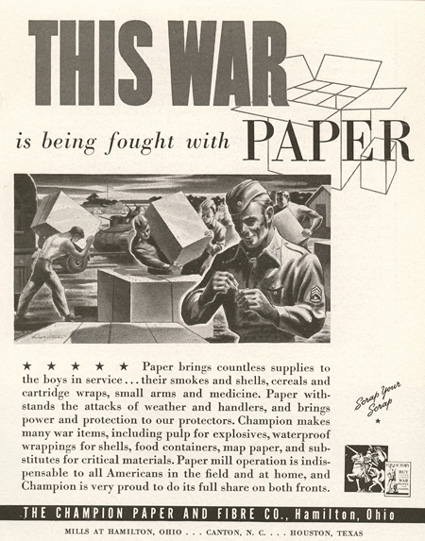
Figure 21. The military may have been fighting the war with paper, but let’s hope they had plenty of bullets too.

Figure 22. If the company that made B-26 bombers used Strathmore paper for its letterhead, then it must be good. At least that’s the tone of this 1941 ad for the Strathmore Paper Company.
This article was last modified on May 18, 2023
This article was first published on July 14, 2006
Commenting is easier and faster when you're logged in!

Recommended for you

Now Shipping: Complete Digital Photography, 7th Edition
CreativePro author Ben Long has announced the publication of his latest book, Co...

Secrets of the Esc Key
If you’ll pardon the pun, the Esc key might escape the notice of many Adob...

CreativePro Tip of the Week: Making Dotted Lines in Illustrator
This CreativePro Tip of the Week on Making Dotted Lines in Illustrator was sent...