




The story of Kodachrome is a fascinating one – the process was invented by two musician friends, Leopold Godowsky, Jr. and Leopold Mannes, often referred to as “Man and God.” They took their ideas to Eastman Kodak in the early 1930s. The company immediately hired the pair and put them to work refining the process which was introduced to the market in 1935. 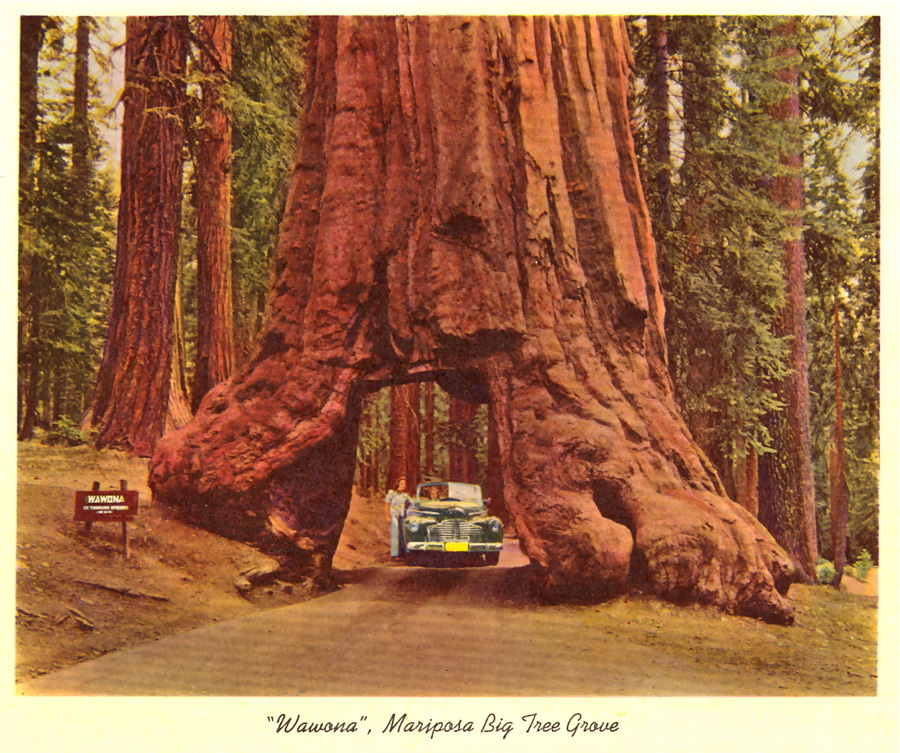
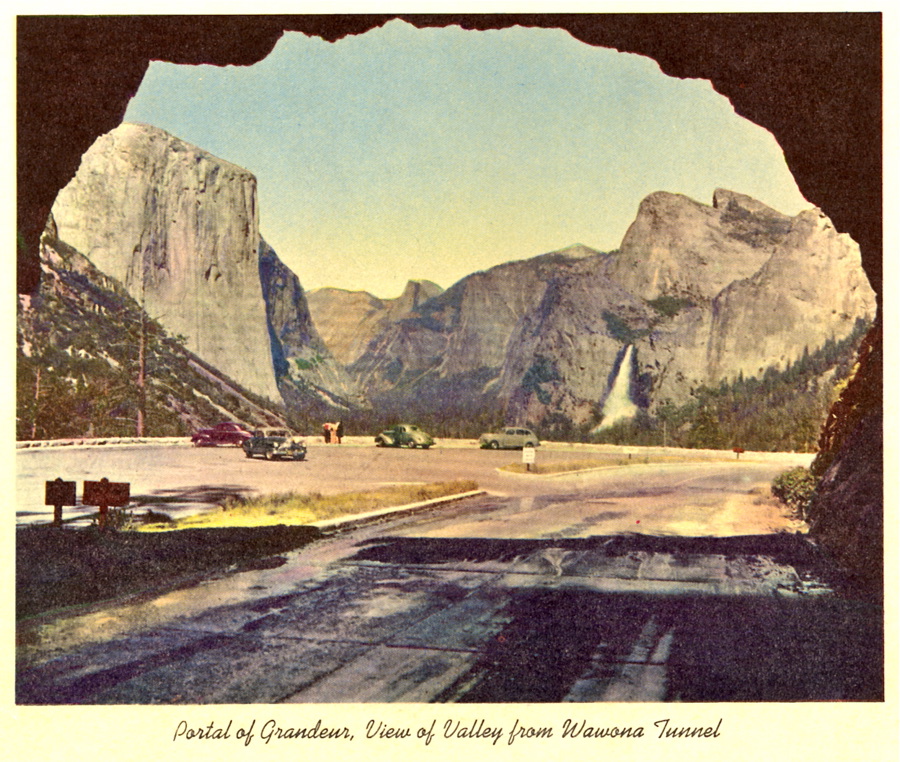
Kodachrome was an early transparency film, which made it most suitable for color separation and reproduction via the various printing processes used over the decades. It had a distinct color gamut and look – not always “natural,” but always bright and crisp. These images may seem crude by today’s standards, but for the time they were considered very realistic and were reproduced with the idea that they might be framed individually and displayed as art.
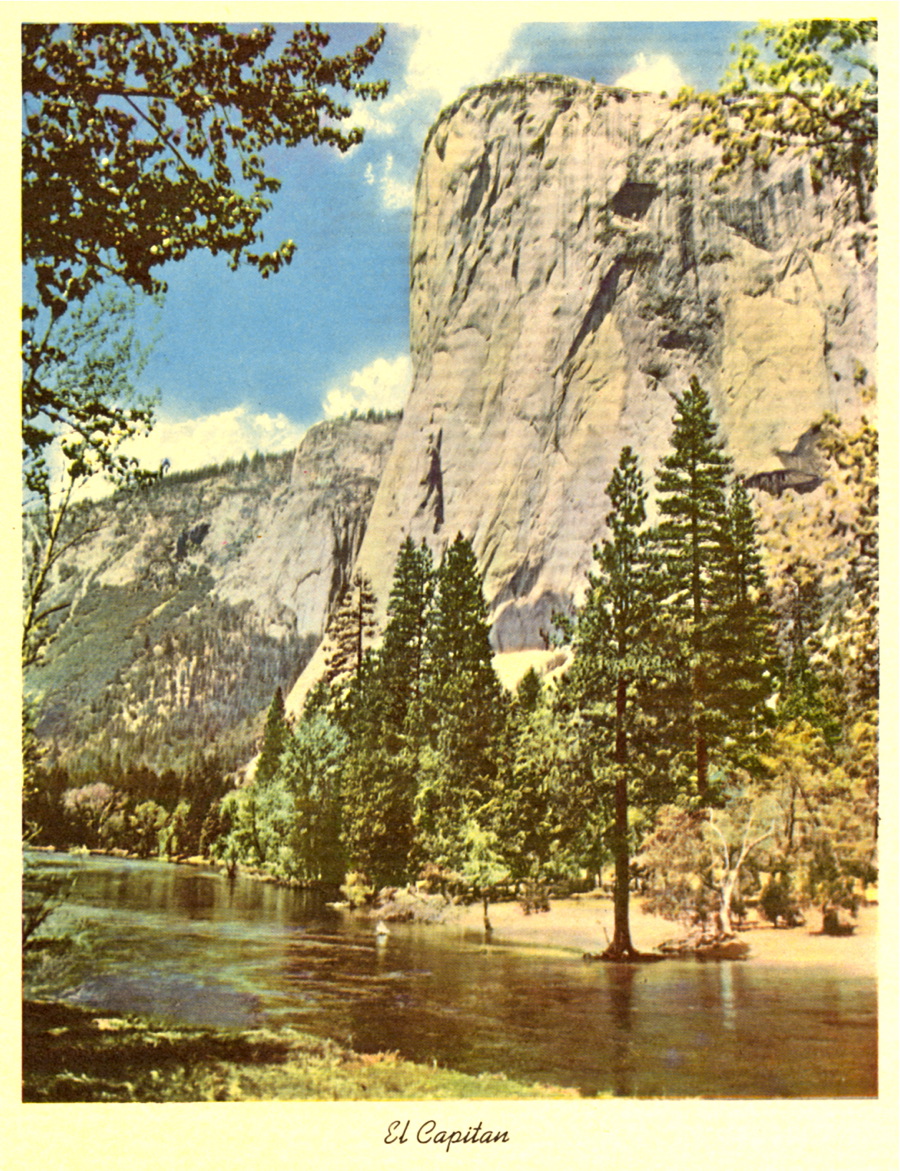
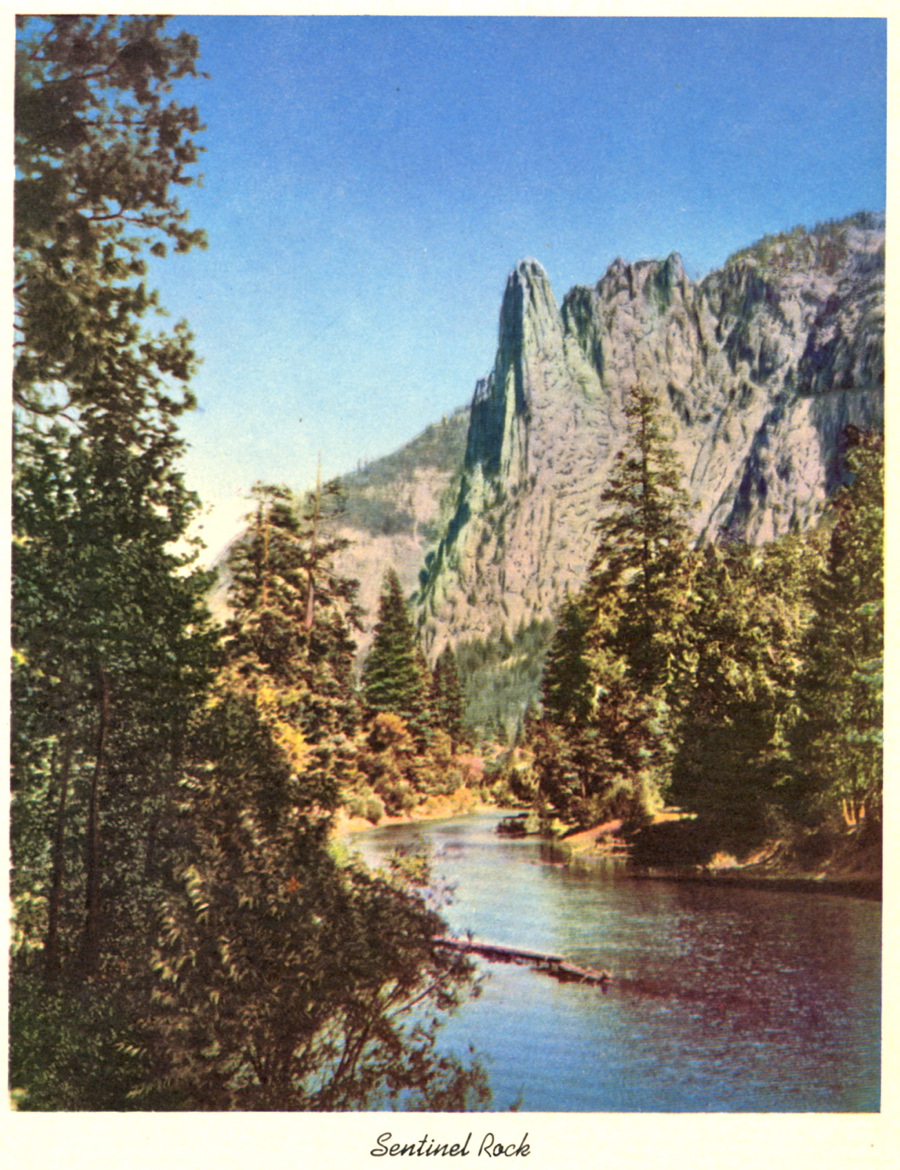
Kodachrome was a very difficult film to manufacture and process, part of the reason it was discontinued by Kodak in 2009 and processing by the company ceased in 2010.
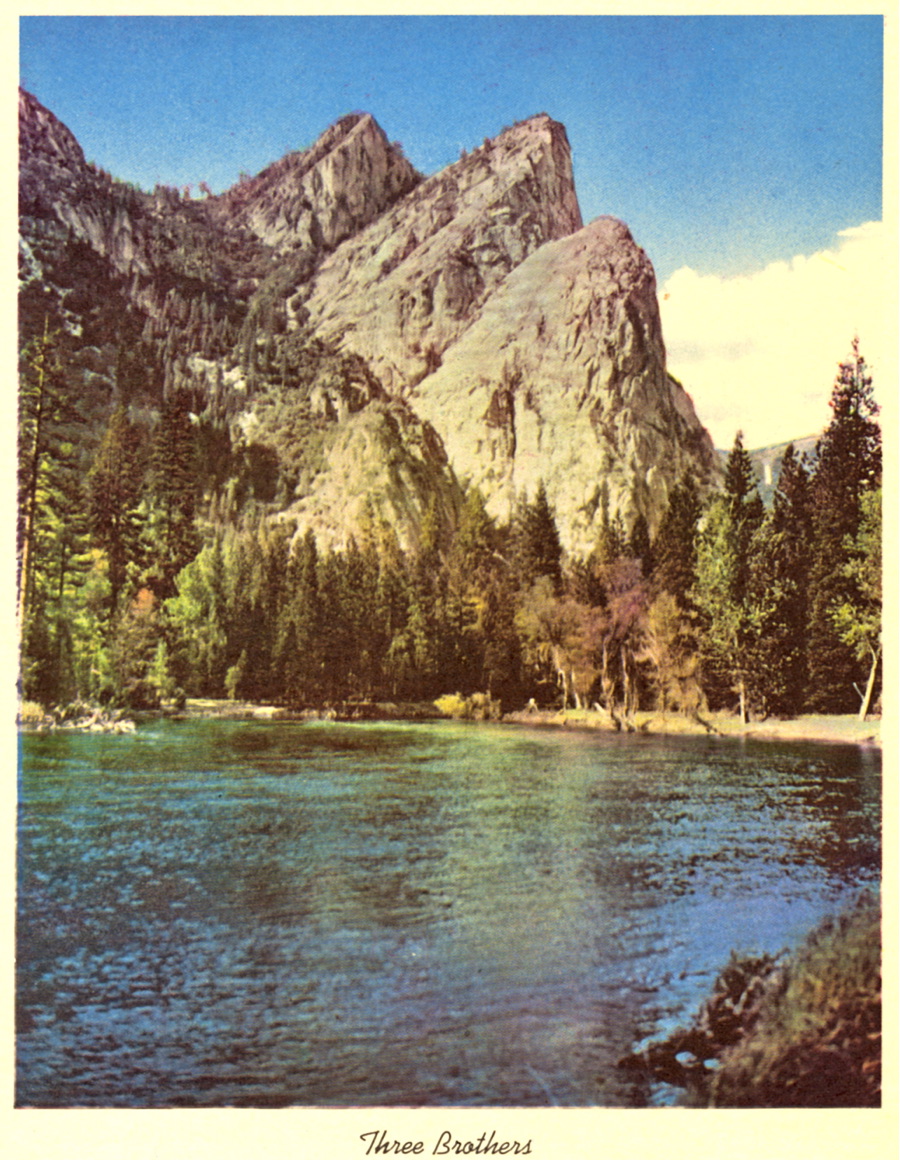
Unfortunately there are no photographers credited with these pictures, but having taken plenty of images in Yosemite I can attest that it’s not that easy to get good shots, despite the always dramatic setting. Every season holds something new and challenging for the photographer.
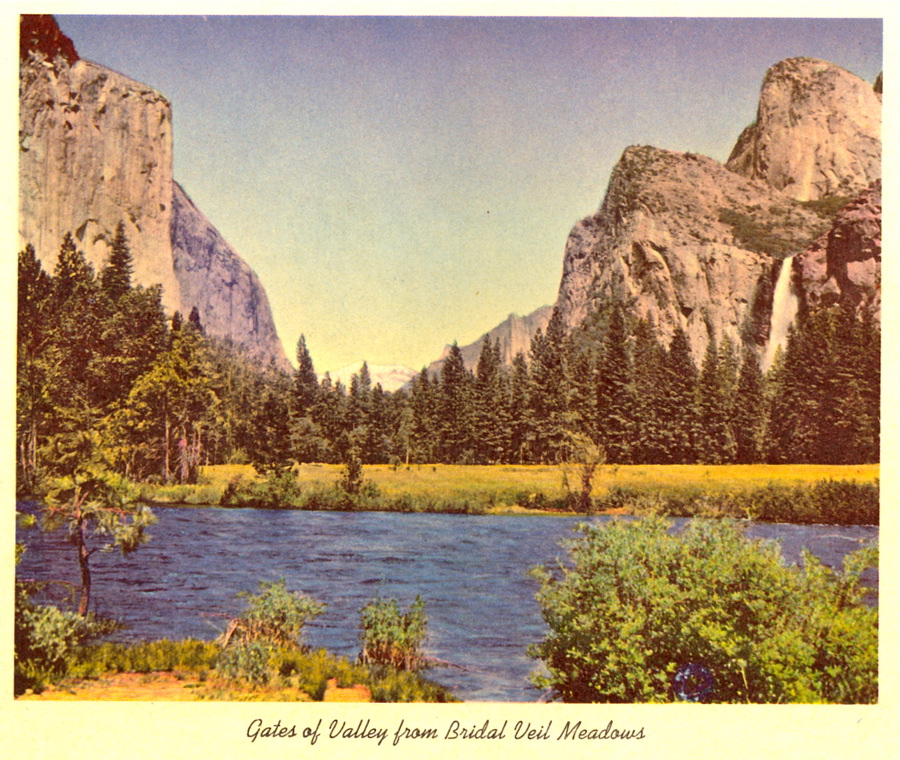
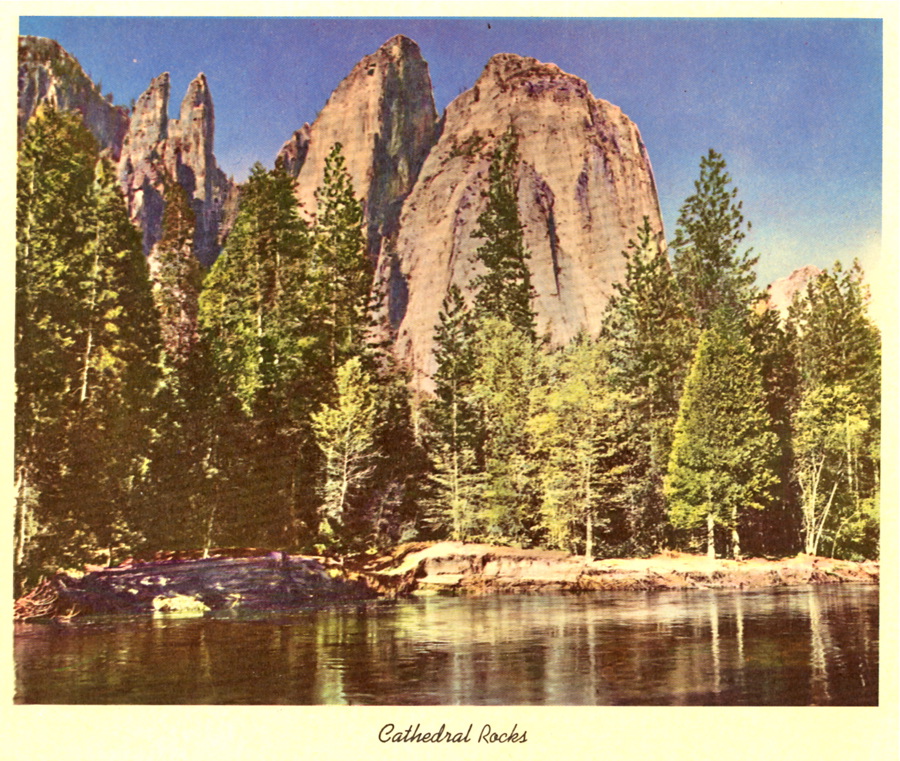
The only thing new I learned about Yosemite when researching for this week’s installment, was the very sad plight of the Ahwahneechee tribe of Native American’s who inhabited the Valley prior to the arrival of white explorers. Sadly, the Ahwahneechee were run out of Yosemite, relocated to, of all places, a reservation in Fresno, California. Many of them were killed along the way in various skirmishes with the US Army and other Indian tribes.
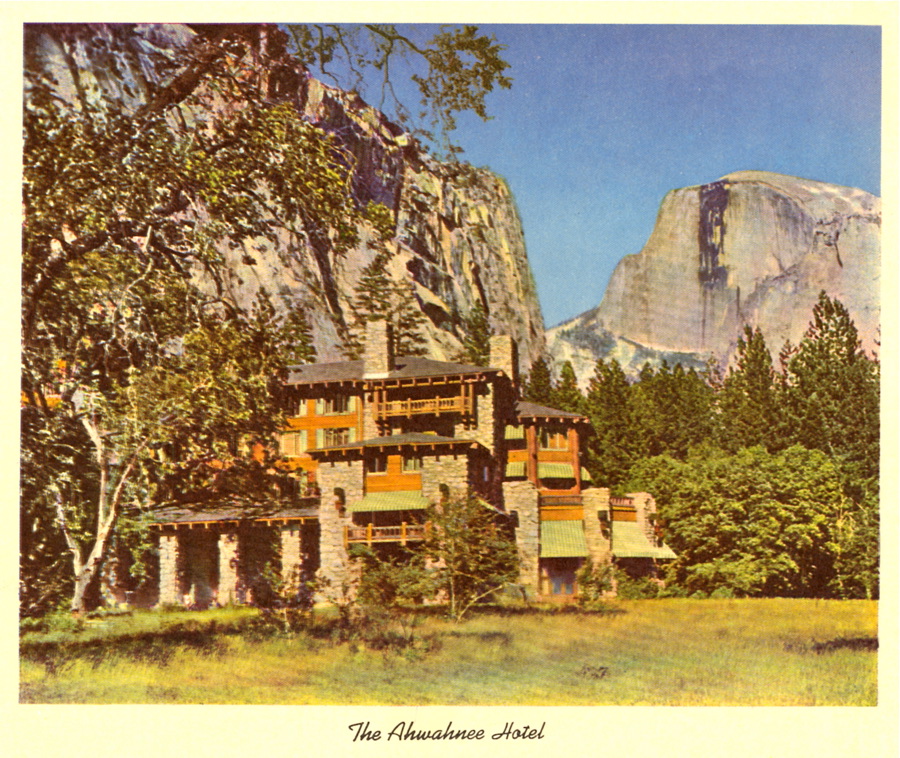
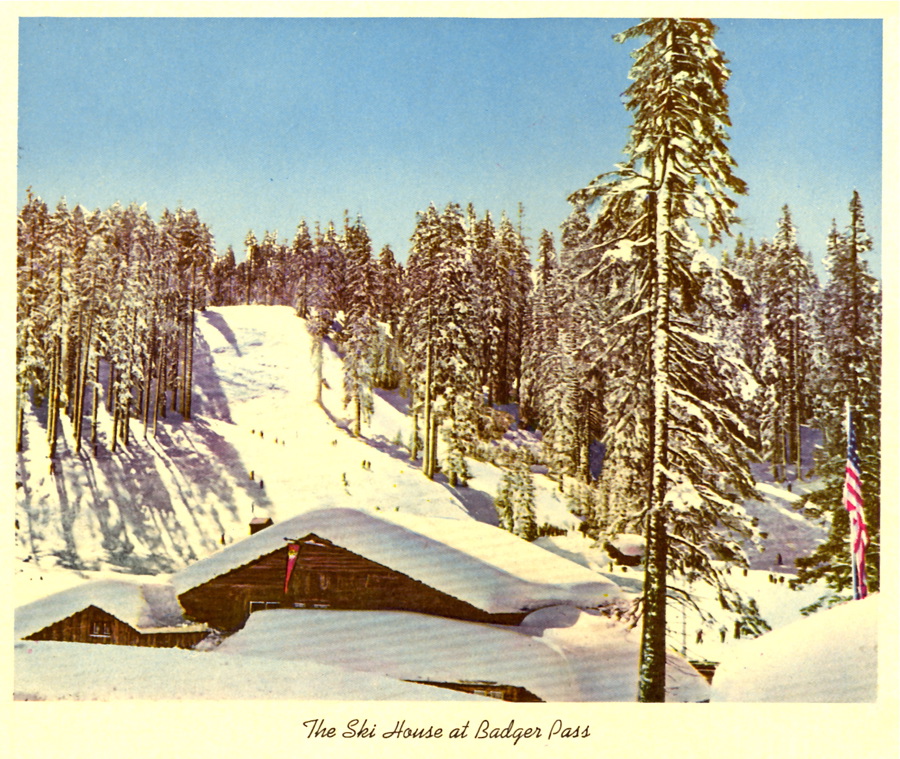
Even though printing processes have changed quite a bit since these images were published, Yosemite, thankfully, remains somewhat the same, save for too many tourists during the summer months. Photographers still flock to the park, only now they don’t have to make a choice of film emulsions to document their work.
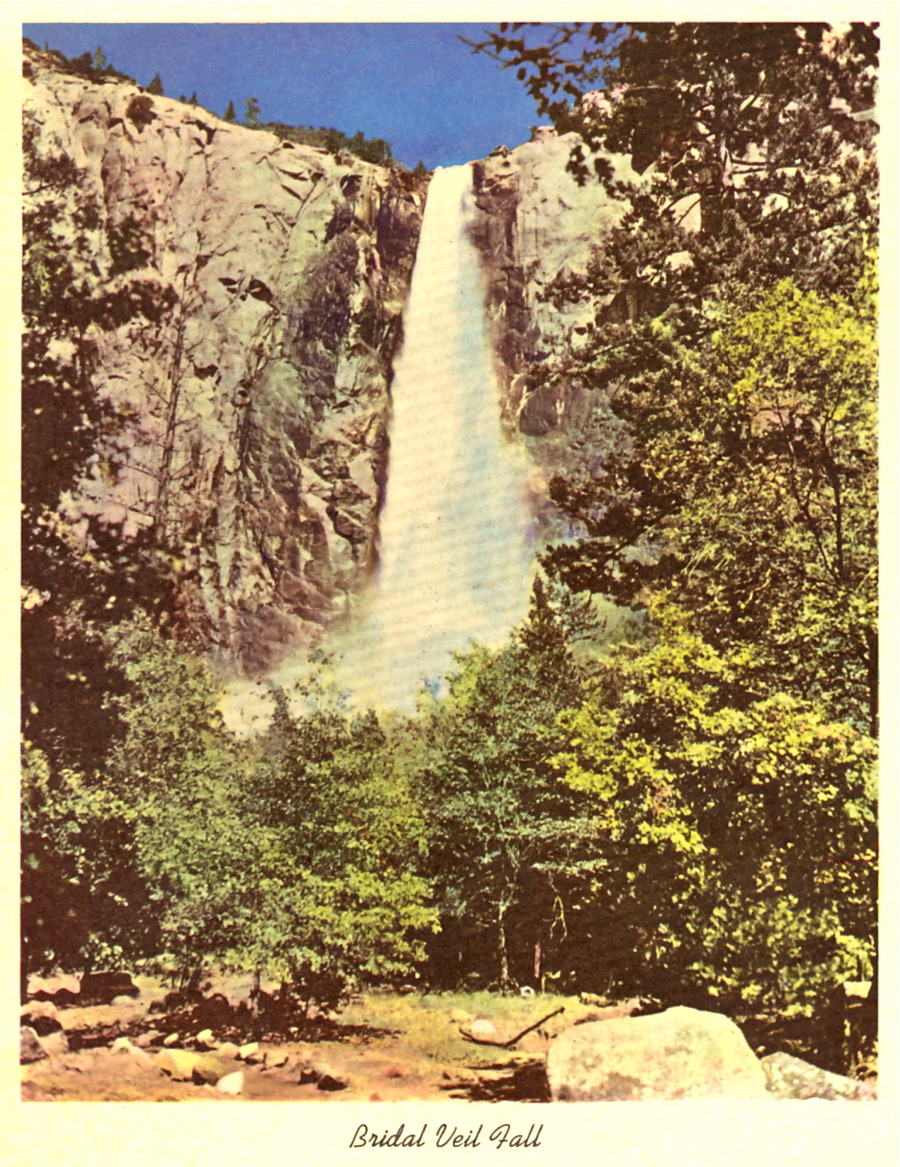
And while I do appreciate that we’ve gotten very good at reproducing images accurately and with great detail, there’s something romantic to me about these older images. Color wasn’t taken for granted back then and I’m sure many people bought this booklet and were awed by the majesty of it all. And that much is certainly hard to dispute, even by today’s standards.
This article was last modified on February 28, 2021
This article was first published on July 11, 2012
Commenting is easier and faster when you're logged in!

Recommended for you

InDesigner: The IRS
Learn how the IRS uses InDesign to develop courtroom graphics that bring tax-dod...

Fastest Way to Find Missing Links
Let InDesign and your computer make fast work out of finding all the missing lin...

3 Ways to Make Die Lines in Adobe Illustrator
Best practices for defining the shapes of custom die cut stickers.