



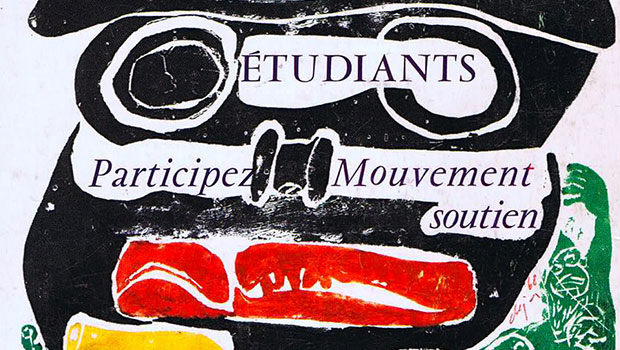
It seems as though every generation or so, there’s some sort of widespread civil uprising, the most recent being the Occupy Wall Street movement in cities throughout the United States and, indeed, the world. As I’m just old enough to remember the civil unrest of the late 1960s, I thought I’d take a look back at one of the more significant protests of that time: the general strike and associated activities that took place in France from roughly May to June of 1968.
Today’s social movements often involve digital social media. But in 1968 there was no text messaging, tweeting, or Facebook posting. Much of the communication process was through graffiti and street posters. I recently came across some of the posters and images from the May 1968 civil unrest in a journal called Lithopinion, published by the Amalgamated Lithographers of America that same year. I’m not a French speaker so I can’t adequately translate these posters, but the artwork is interesting despite the language barriers. Click on any image for a larger version.
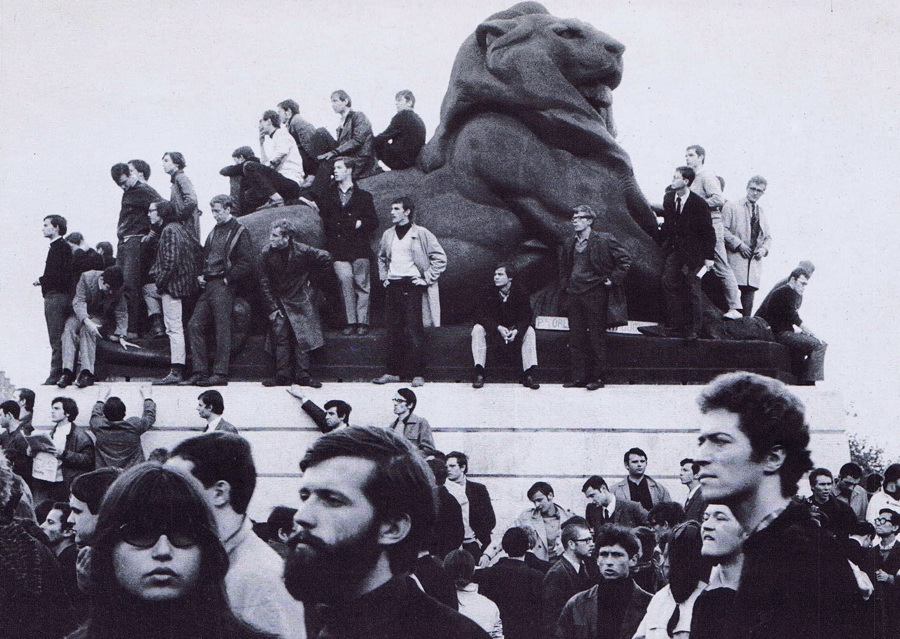

The protests in France began as a series of student movements and eventually escalated into a general work strike involving nearly 11 million workers throughout the country.
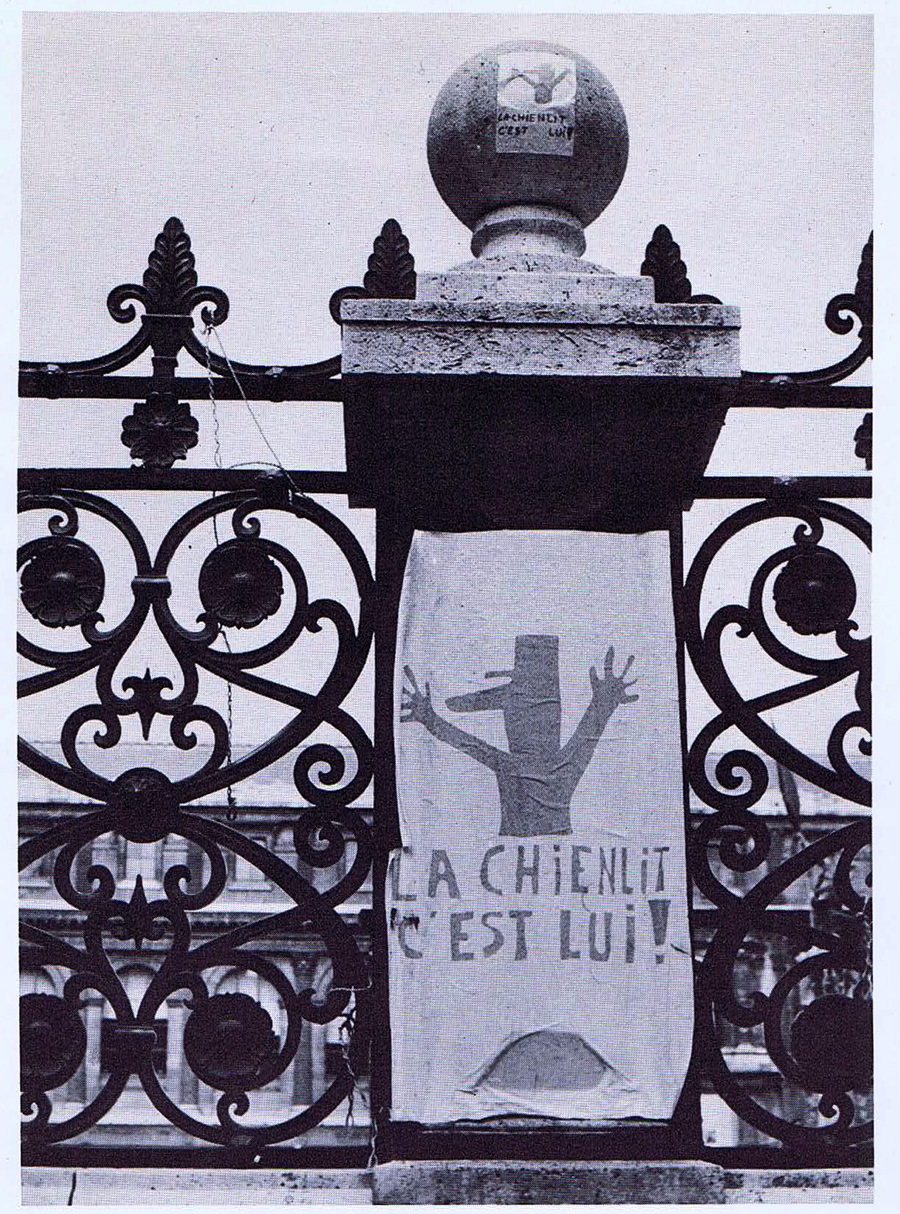

Many saw the protests as a way to shake up the country’s traditional society and morality, with a focus on education and employment. The period began with a series of student strikes in Paris, which were met with police confrontation and violence.
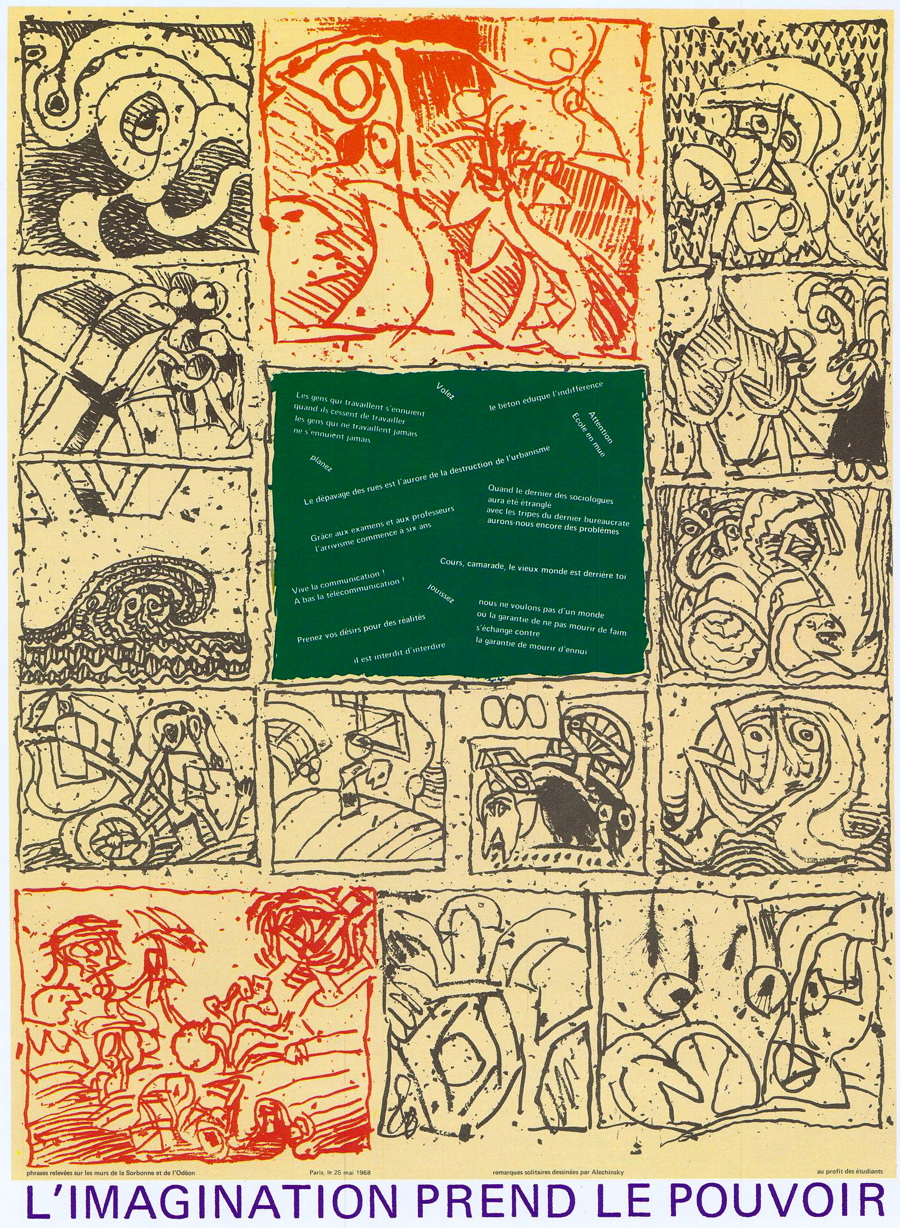

The police and government action created sympathy for the protestors, and more and more workers joined in. At one point it seemed as if the government of then-president Charles de Gaulle might fall.
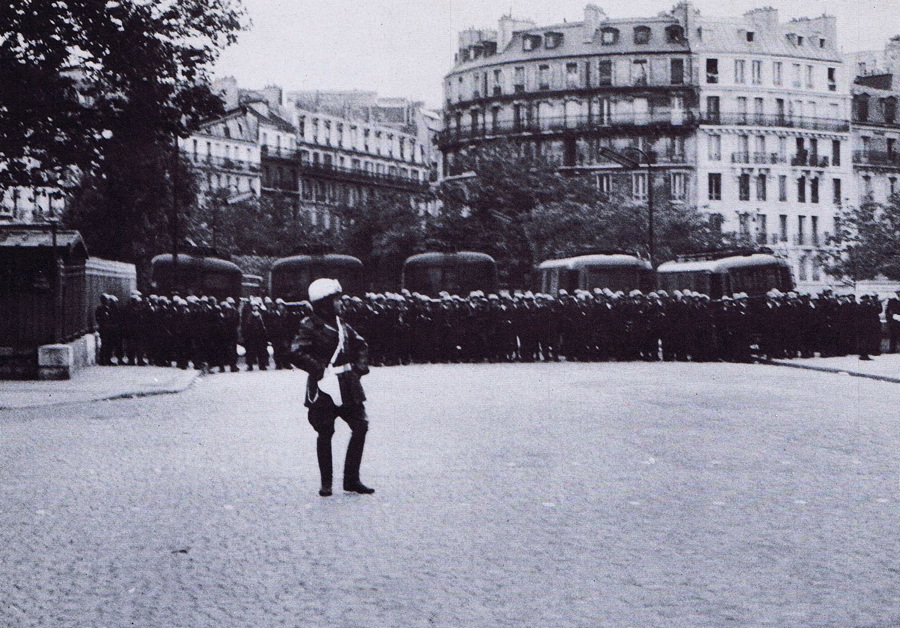
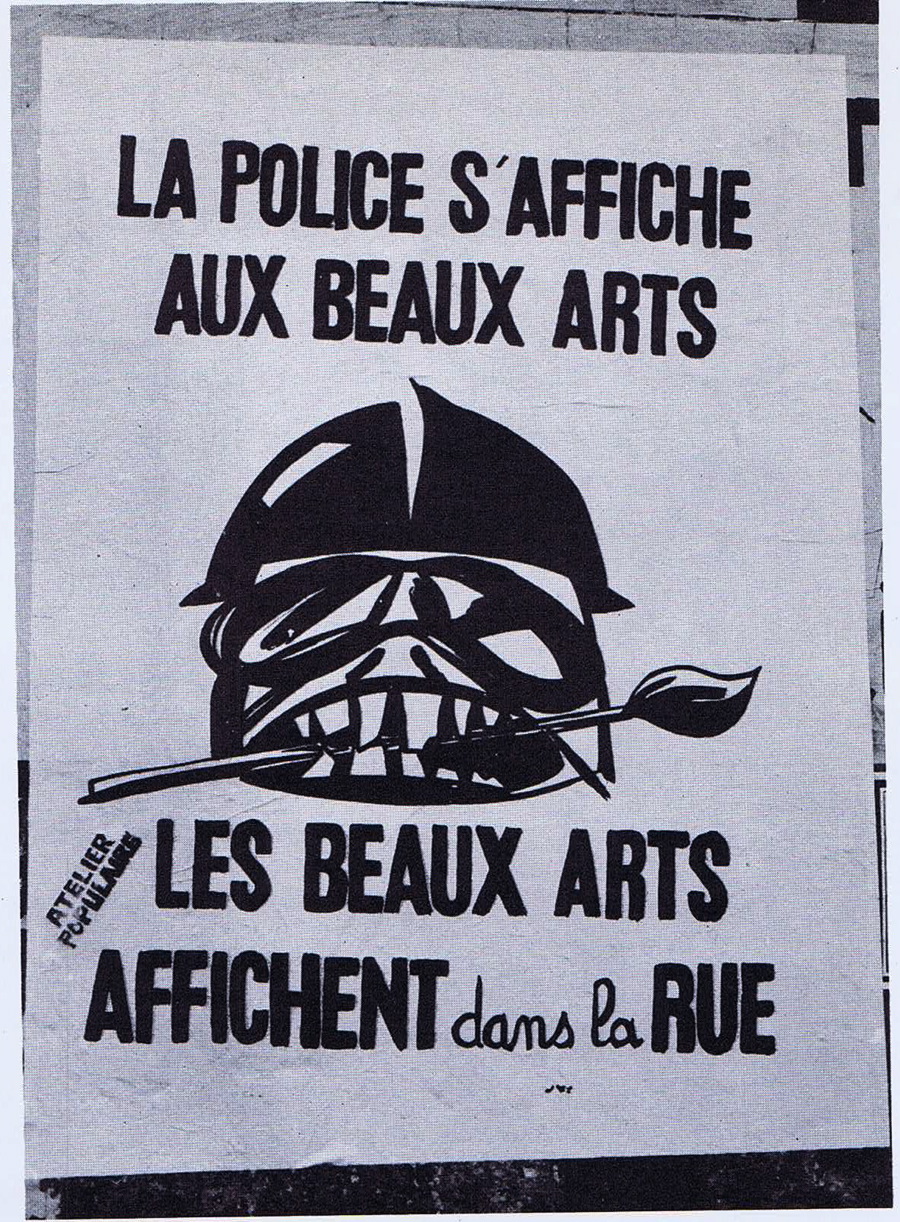
The violence didn’t last very long and new elections were held to replace the National Assembly, which de Gaulle dissolved.


Though the protests failed on some levels, the events of Mai 68 are often cited as a watershed moment in French history and the beginning of a more liberal attitude among many French citizens and a shift away from conservative moral ideas.

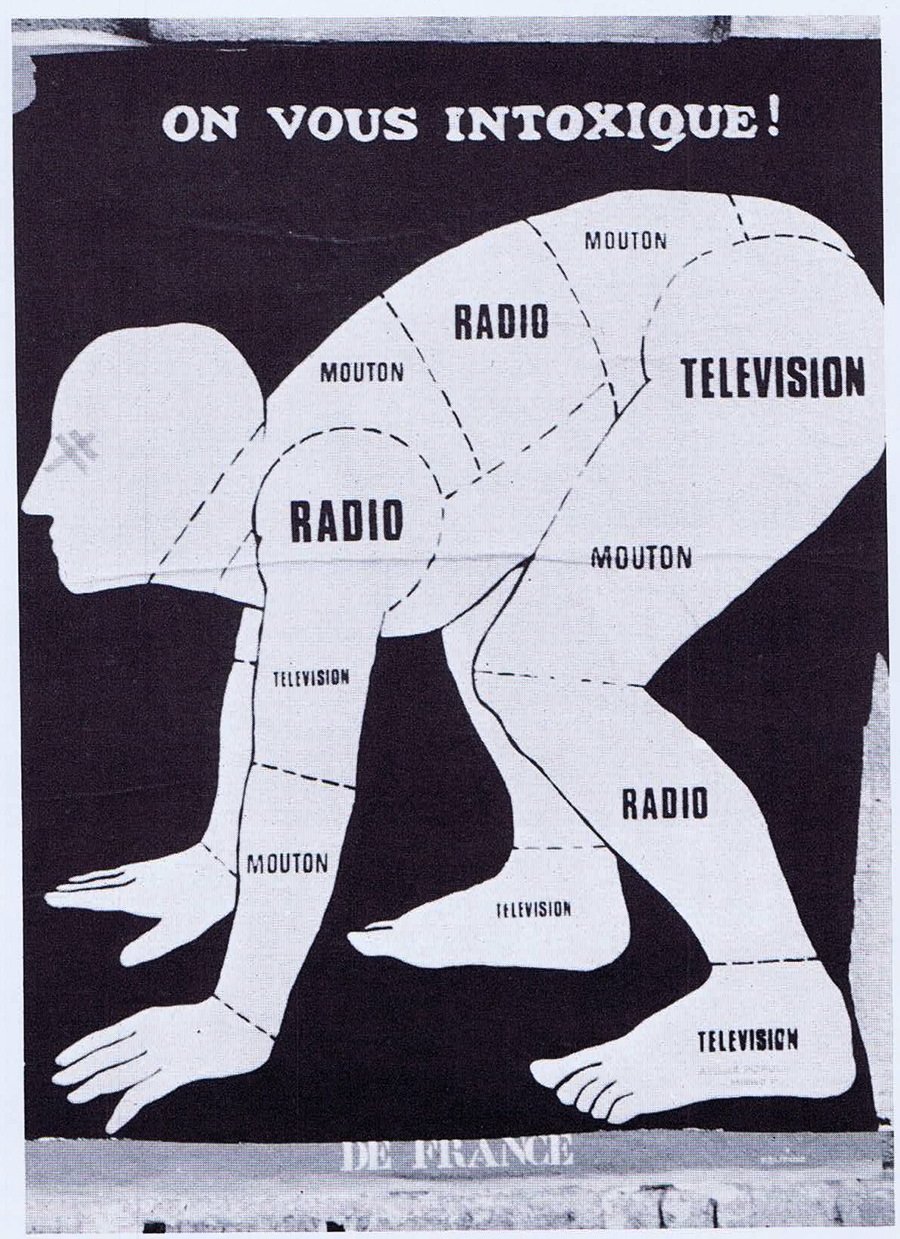
Protest movements are typically accompanied by grassroots efforts at communication — whatever is the standard of the day, from word-of-mouth to printed materials to electronic communications and “human megaphones.”
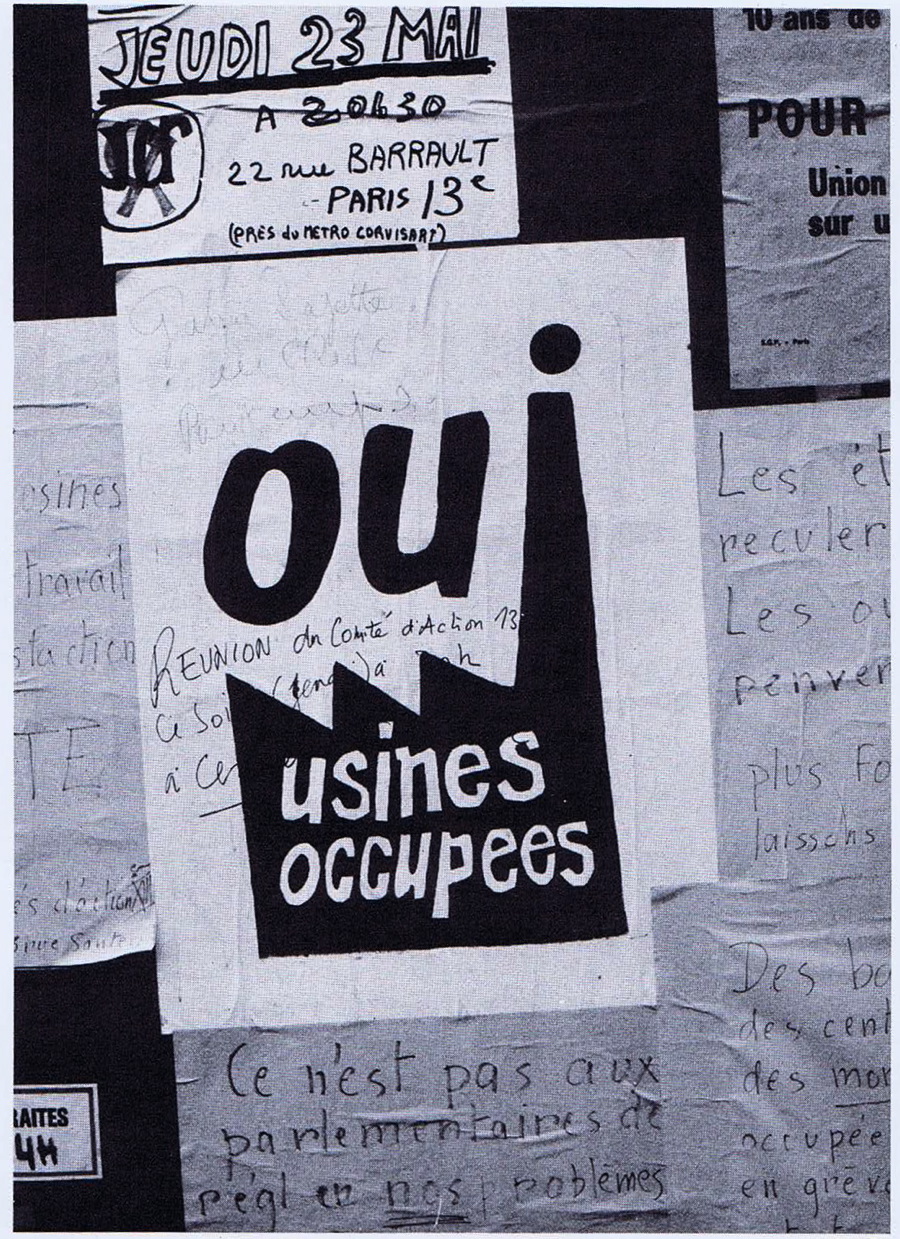
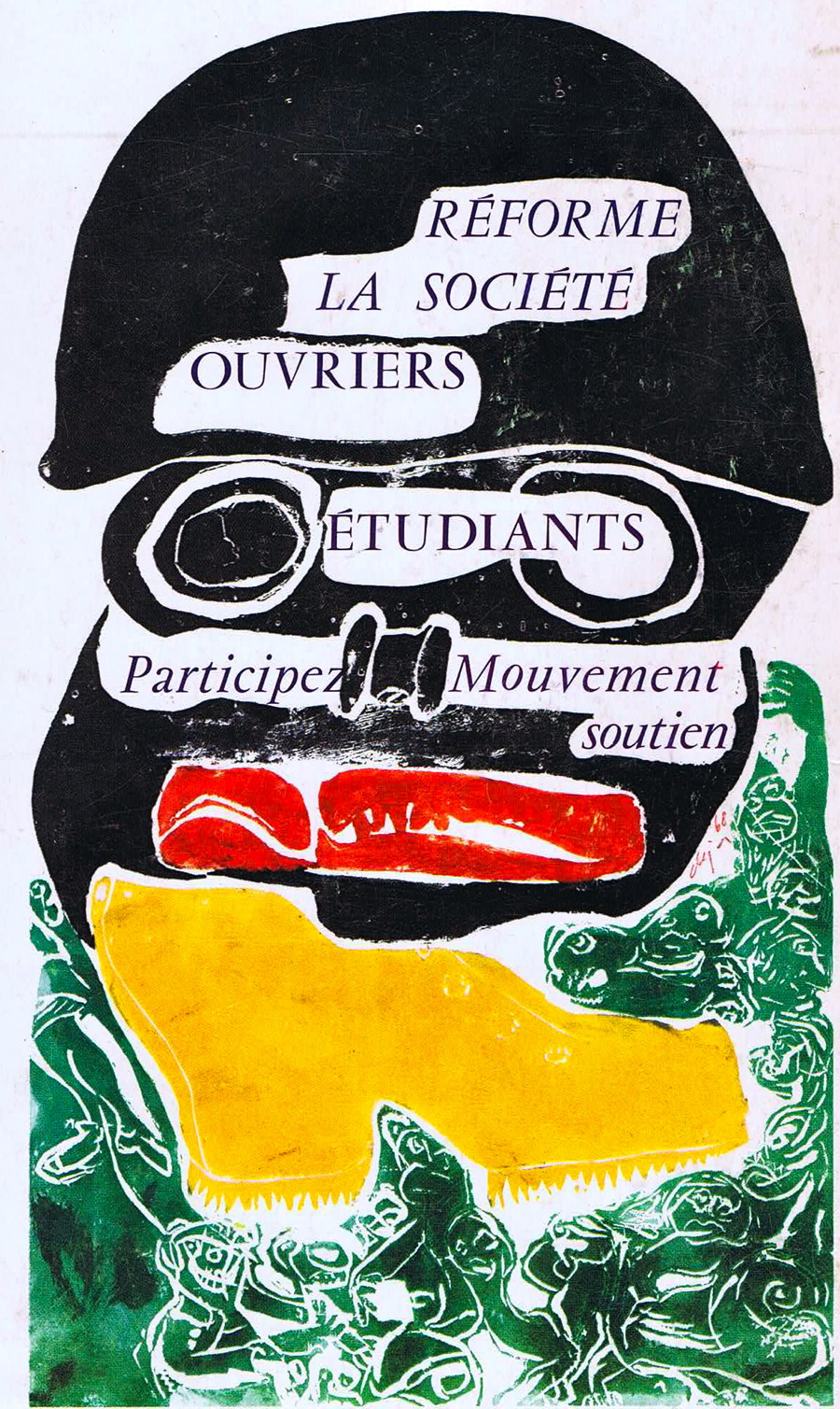
Freedom of speech is something we all take very seriously, and it’s always interesting to see how that right manifests itself under difficult circumstances.
This article was last modified on March 1, 2021
This article was first published on November 18, 2011
Commenting is easier and faster when you're logged in!

Recommended for you

dot-font: It’s Alive!
dot-font was a collection of short articles written by editor and typographer Jo...

Tip of the Week: Get the Gray Out of Your Gradients
This tip was sent to Tip of the Week email subscribers on July 10, 2014. Sign up...

Getting Started with Data Merge in InDesign
Learn how to automate repetitive layouts in InDesign