




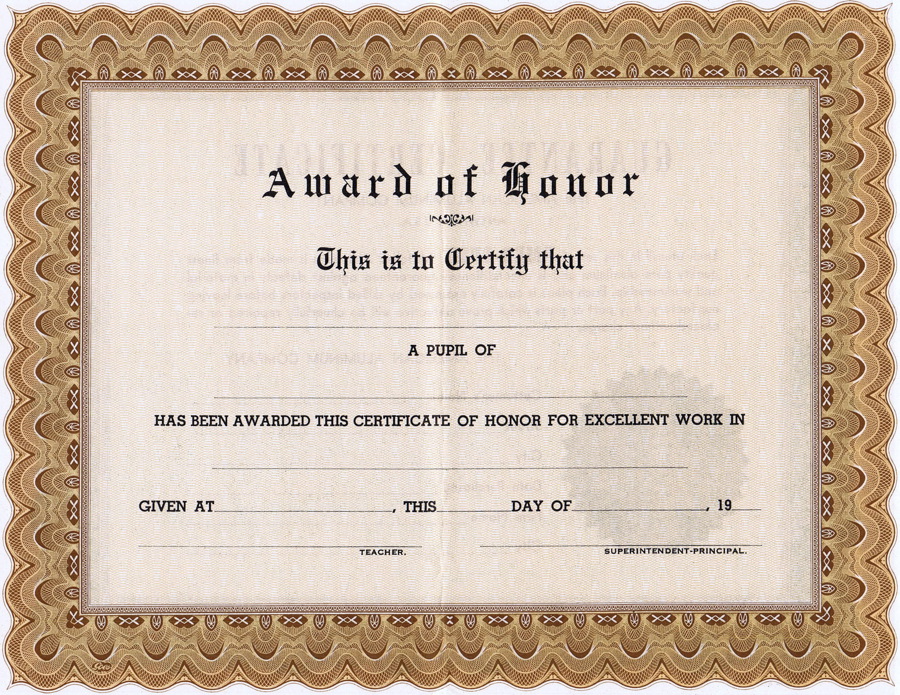
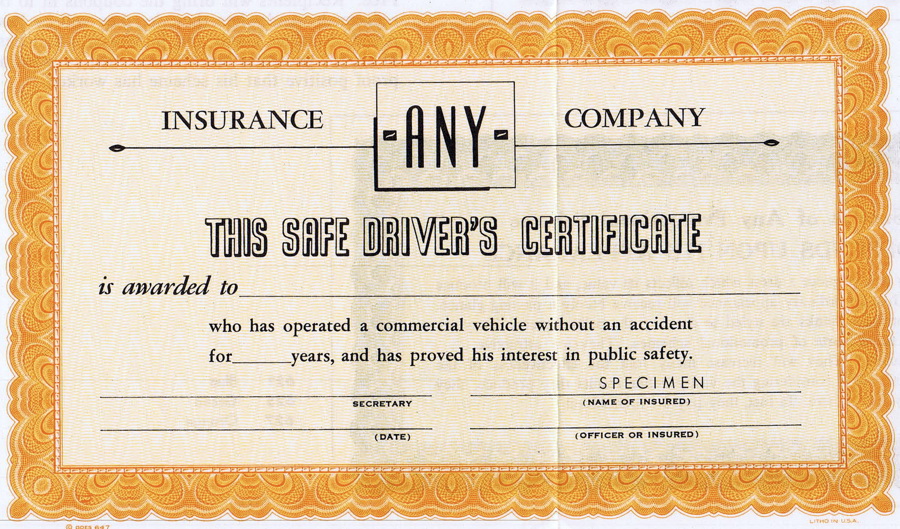
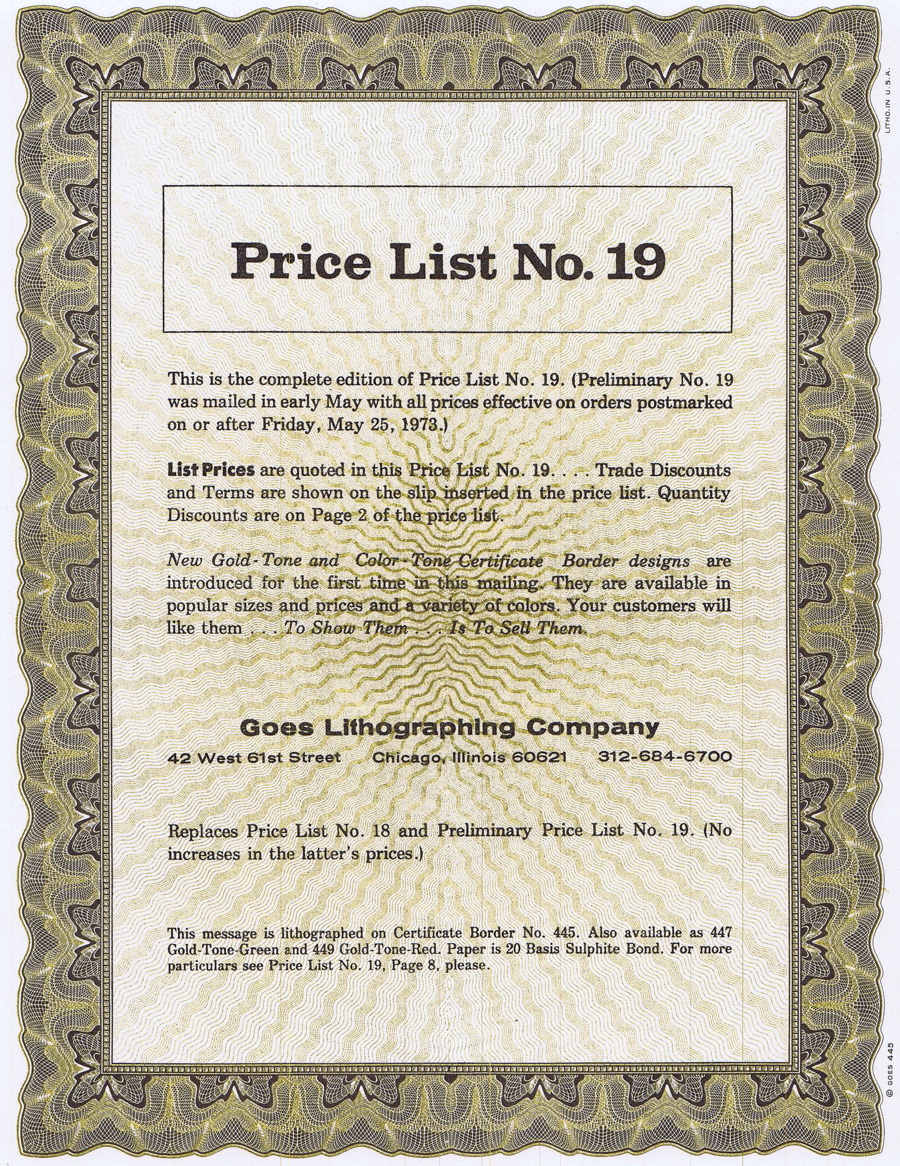
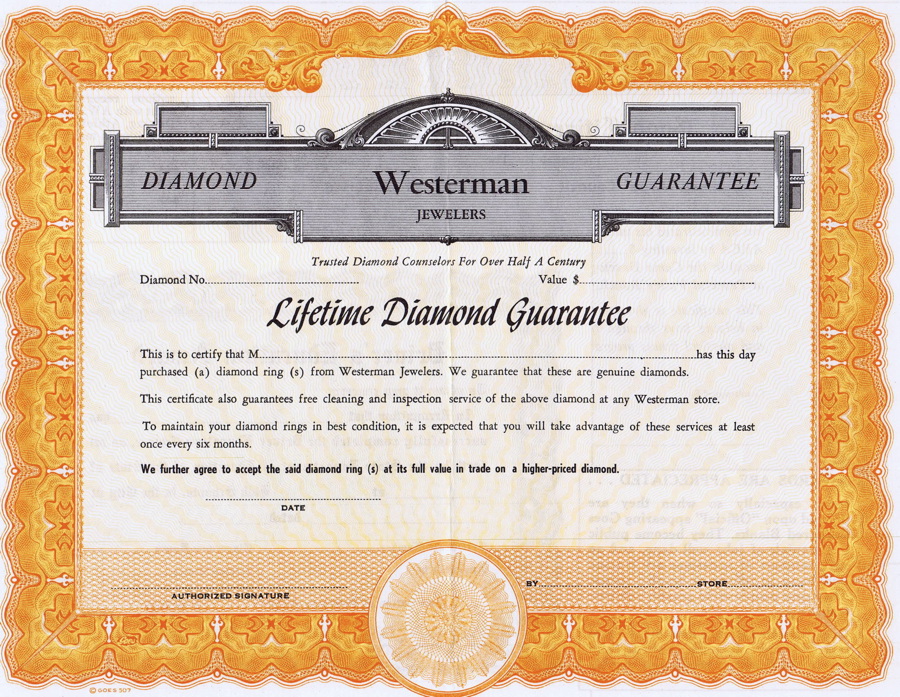
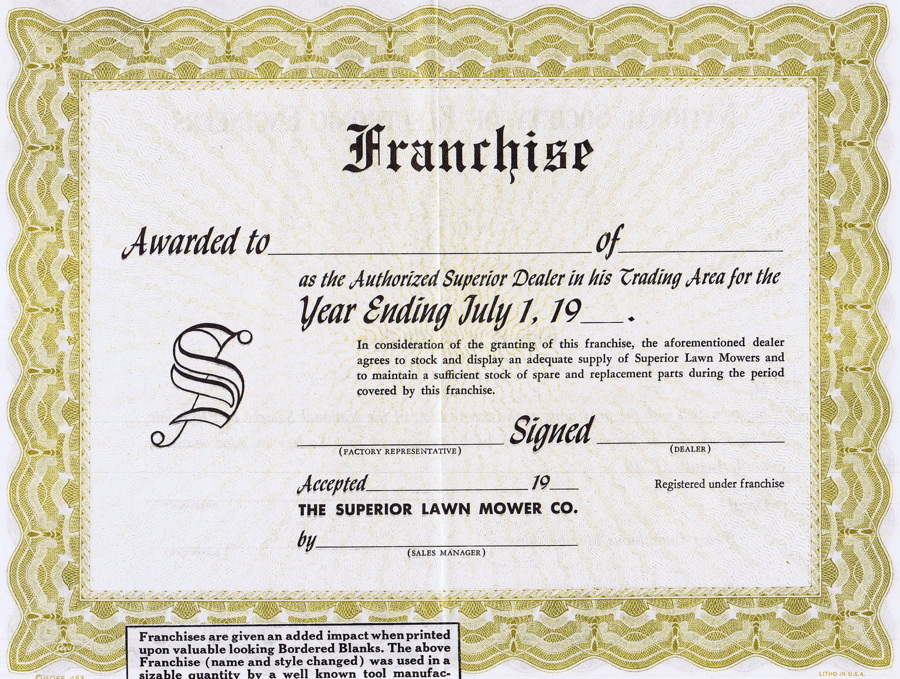
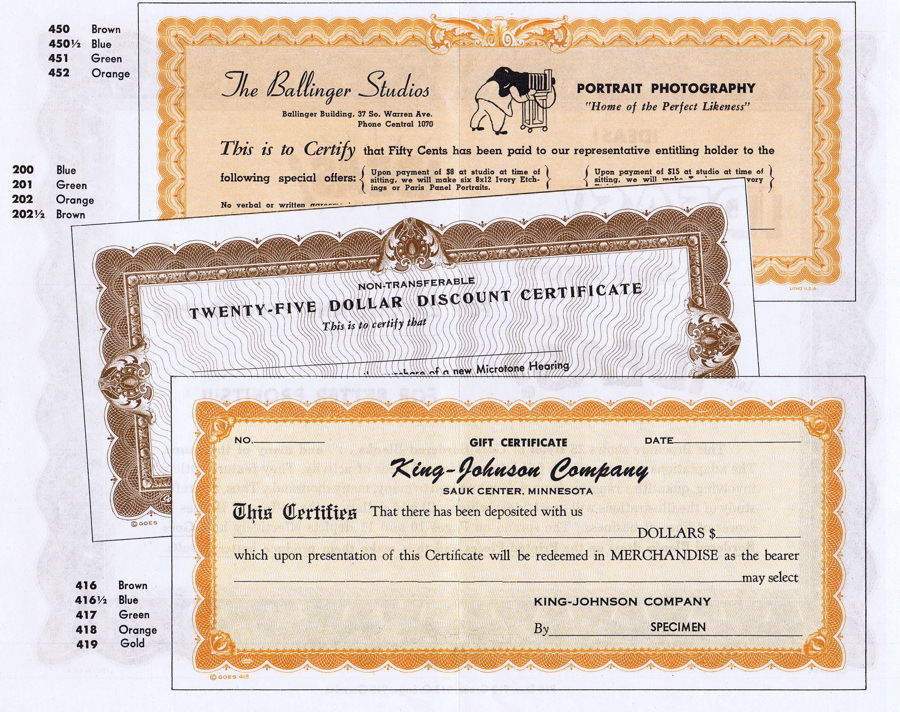
If you’ve ever received a printed award certificate, bought an actual stock certificate, or been given a gift certificate from a local store, you’ve probably seen the work of Chicago’s Goes Lithographing Company. You could certainly call Goes the kings of certificate printing, but they also do a whole lot more.
Goes began in 1879, several years before the invention of the film halftone-dot process of printing, so its methods began in the era of lithographic stones treated with grease, nitric acid, gum Arabic and water. This method made it possible to produce elaborate multi-colored editions of labels, stock certificates, and other highly decorative checks and office forms.
The bulk of images here are from Goes brochures dating between 1958 and 1973. Click on any image for a larger version.

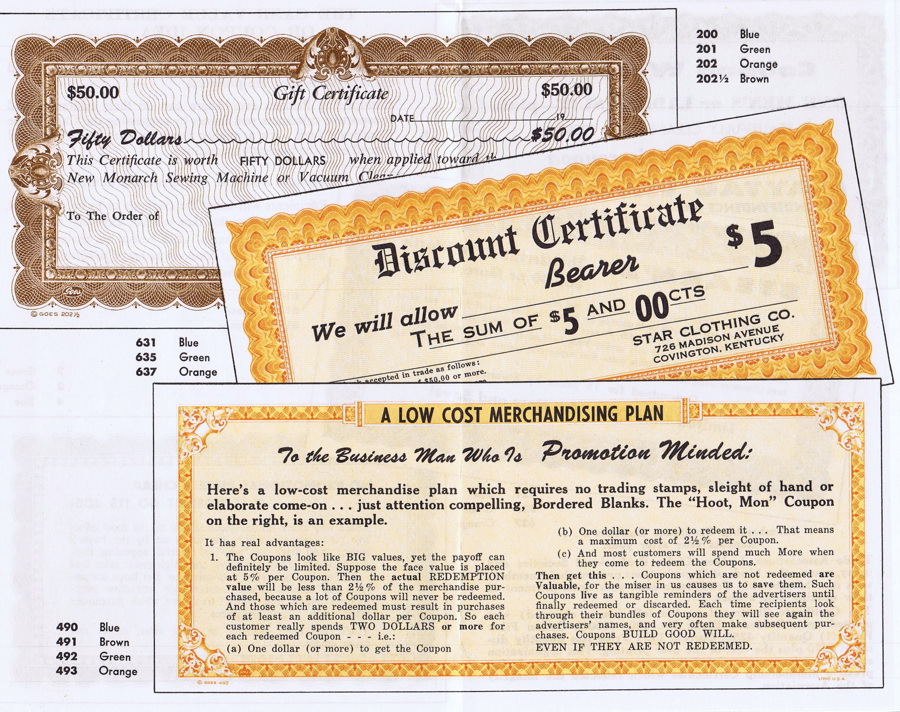
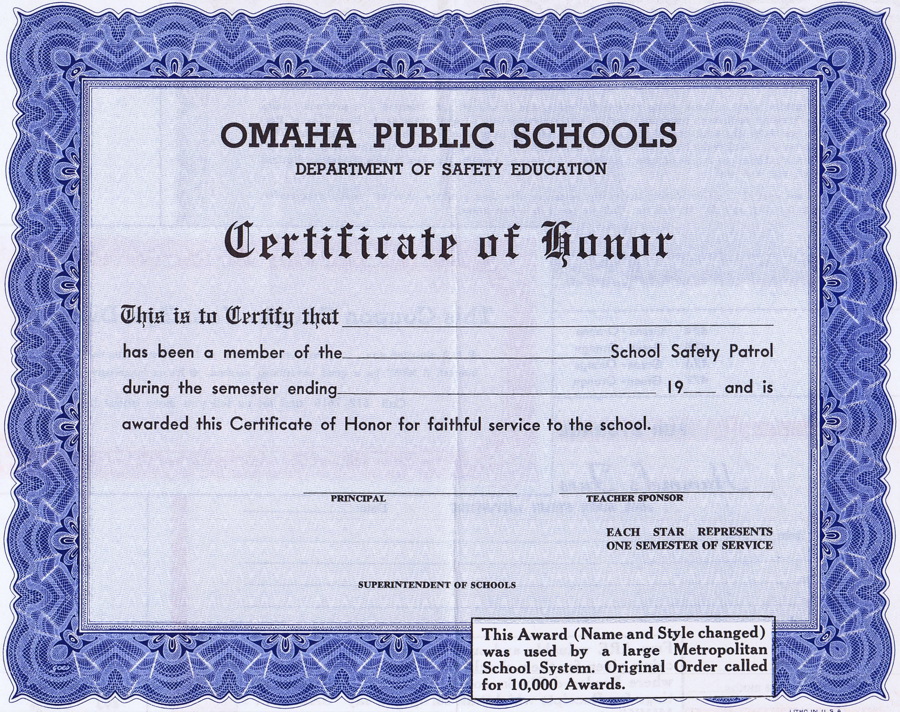
Goes, founded by Charles B. Goes, is still in the building it has occupied since 1904. It’s not only one of the oldest continuously operating printers in America, but an historically significant one. Goes was the first installation of the Harris offset press, one of the earliest examples of offset printing (as opposed to letterpress, which was the more popular method of the time).


Thanks to the finer halftone dots of offset and the elaborate color-separation techniques pioneered by Goes, the company made a quick name for itself in producing fine-art posters for World Fairs, magician acts, pin-up calendars, and religious prints. Here, from a 1925 brochure about the company’s “HB process” of lithography, are several pictures showing the camera process used to make the film negatives used in the multi-color printing process.
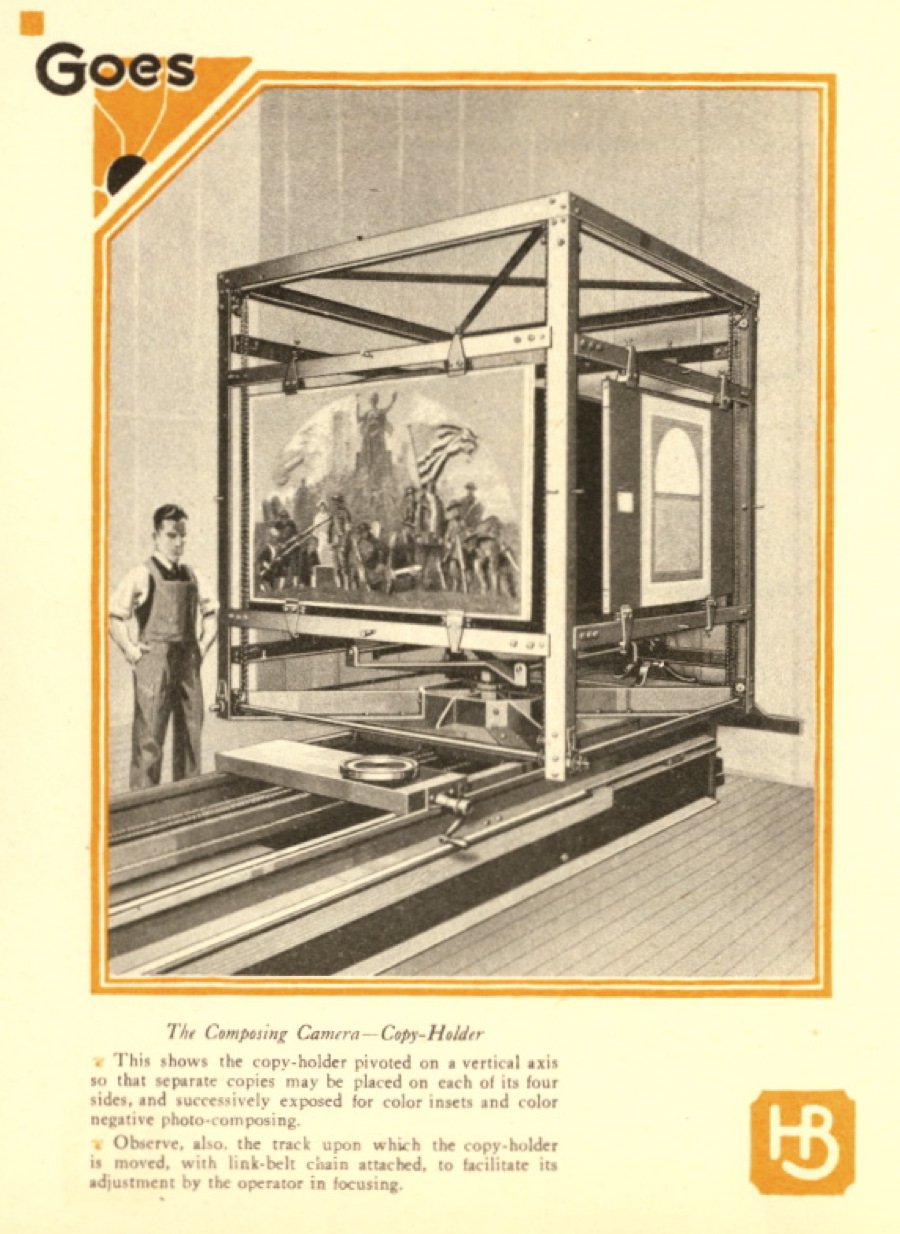
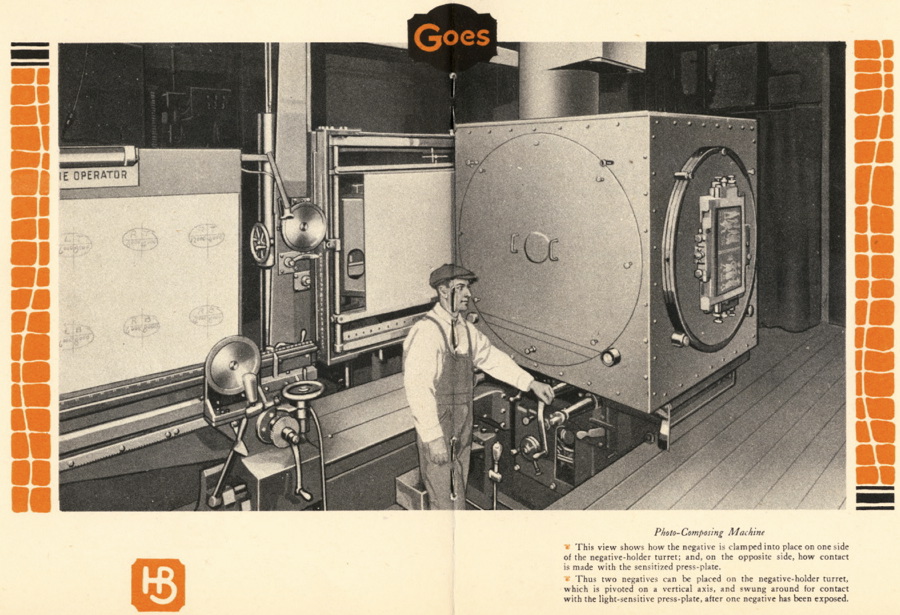

The difficulty and amount of hand work in the HB process meant it was best suited to documents of value, such as stock certificates and other items meant to be difficult to reproduce. So Goes began specializing in these highly detailed and colorful products, often adding gold and copper metal to the designs.

Eventually the company moved from being a commercial printer to being more of a publisher, producing pre-printed material which was then sold to other printers or office-supply stores. This is where you’ve probably seen Goes’ work. You can still pick up blank Goes certificate borders at stationery stores, and many of them still look like they may have been produced at the turn of the 20th century.

Goes was slow to adopt modern methods thanks in part to a continuous process of re-printing older work using older equipment. But by the 1980s Goes had mostly converted to modern digital halftone technology and abandoned some of the older techniques.
Prior to modern four-color ink printing, Goes’ methods typically used opaque inks of six to ten colors per job, which produced a wider color gamut and much more rich details in shadows and highlights. This meant a full-color print job could take from three to ten weeks to complete, thanks to drying time and ink testing.
In addition to lavish color prints typically sold as framed art, Goes once specialized in advertising ink blotters, a now-outdated commodity.

The Goes Lithographing Company is still family-owned and has recently begun reproducing some of its older work. Here, for example, are several pin-up prints you can order at the Goes Web site (along with reproductions of some really great posters).


Go to page 2 for more Goes goodness, and to find out how Gene uses the certificates.
This article was last modified on May 17, 2023
This article was first published on August 28, 2009
Commenting is easier and faster when you're logged in!

Recommended for you

Is Mac or PC Better for Graphic Designers?
The reason many designers gravitate to Macs is mostly a matter of tradition, not...
Scanning Around With Gene: Adequate Males Watching Blue Movies Together
I’ve never been to a stag party, as bachelor parties were once called, and...

Planning Your Graphic Design Career
It goes without saying that having a plan for your career is important. However...