



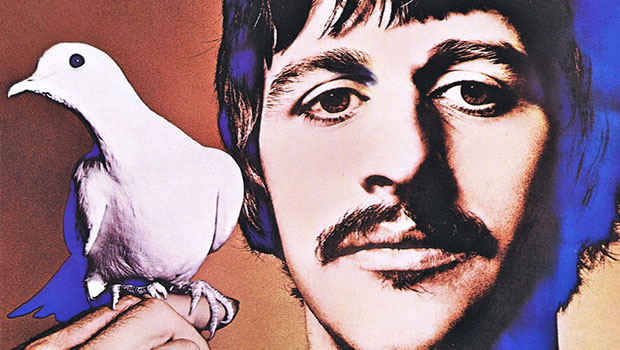
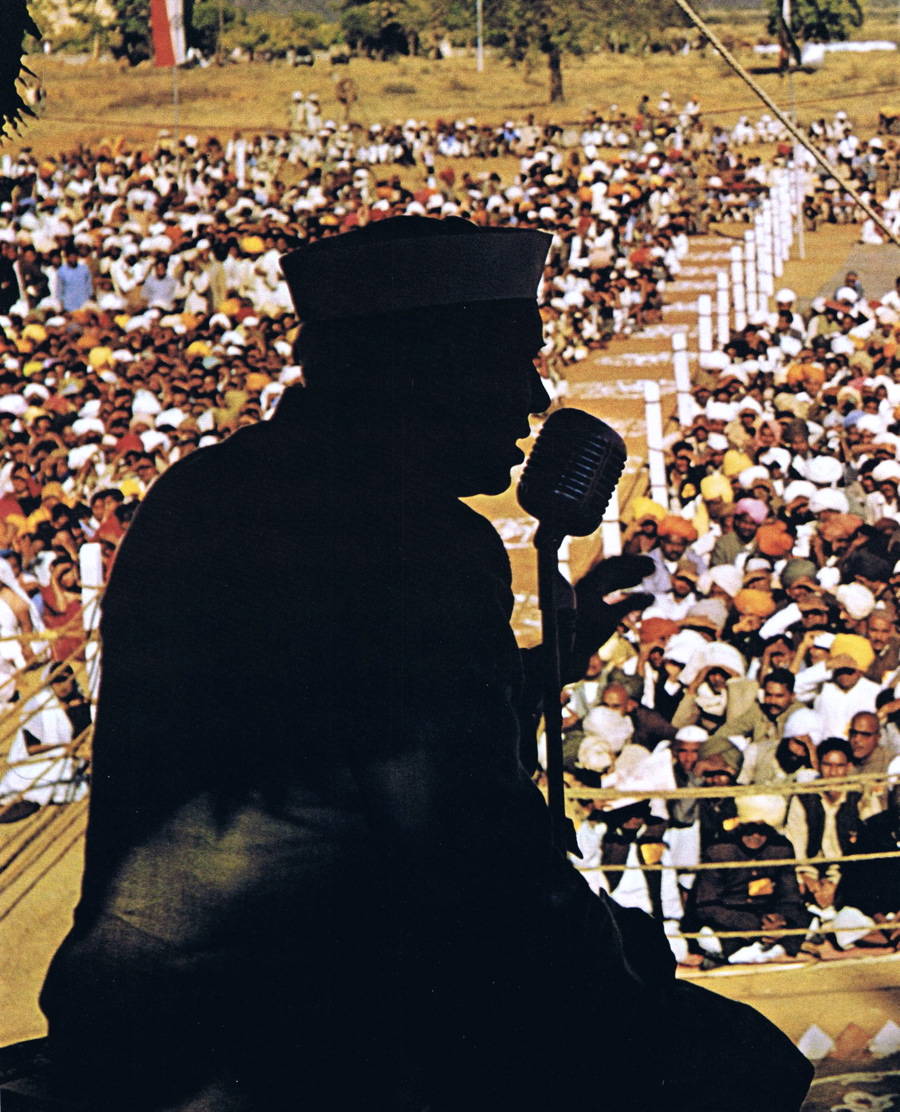
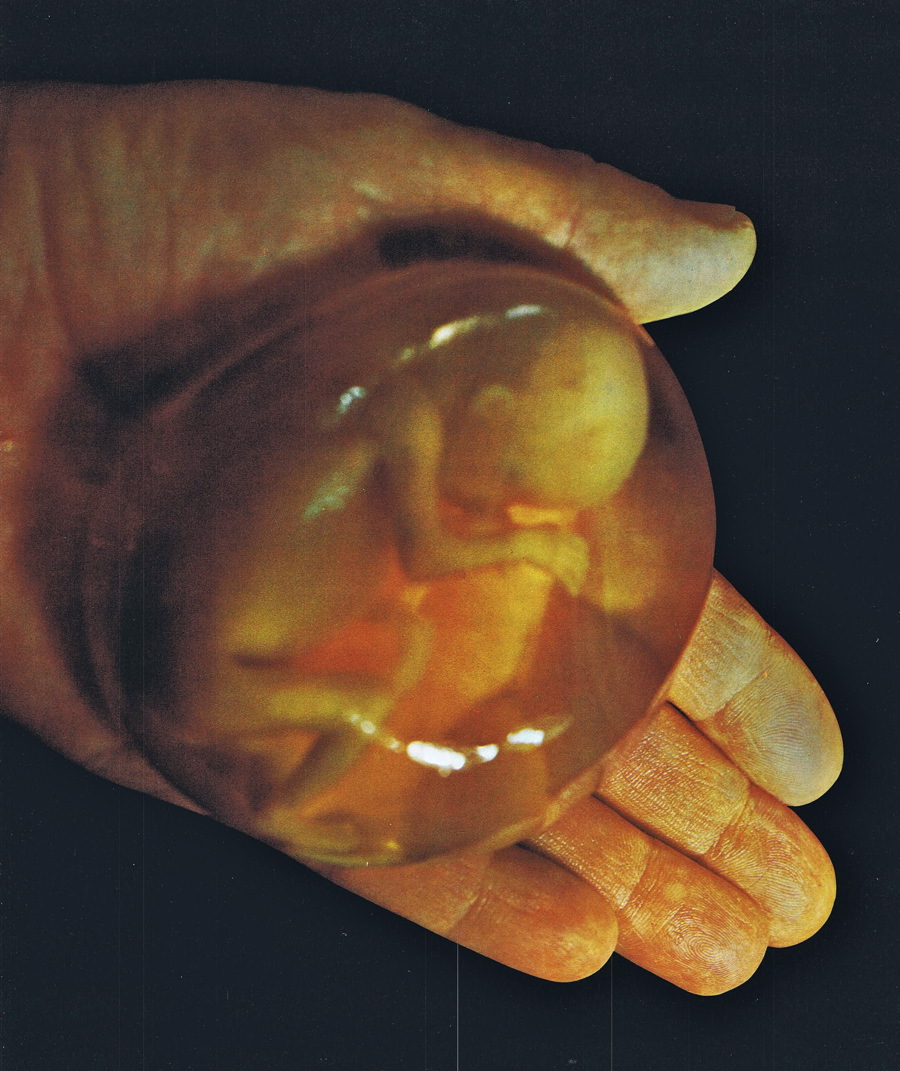
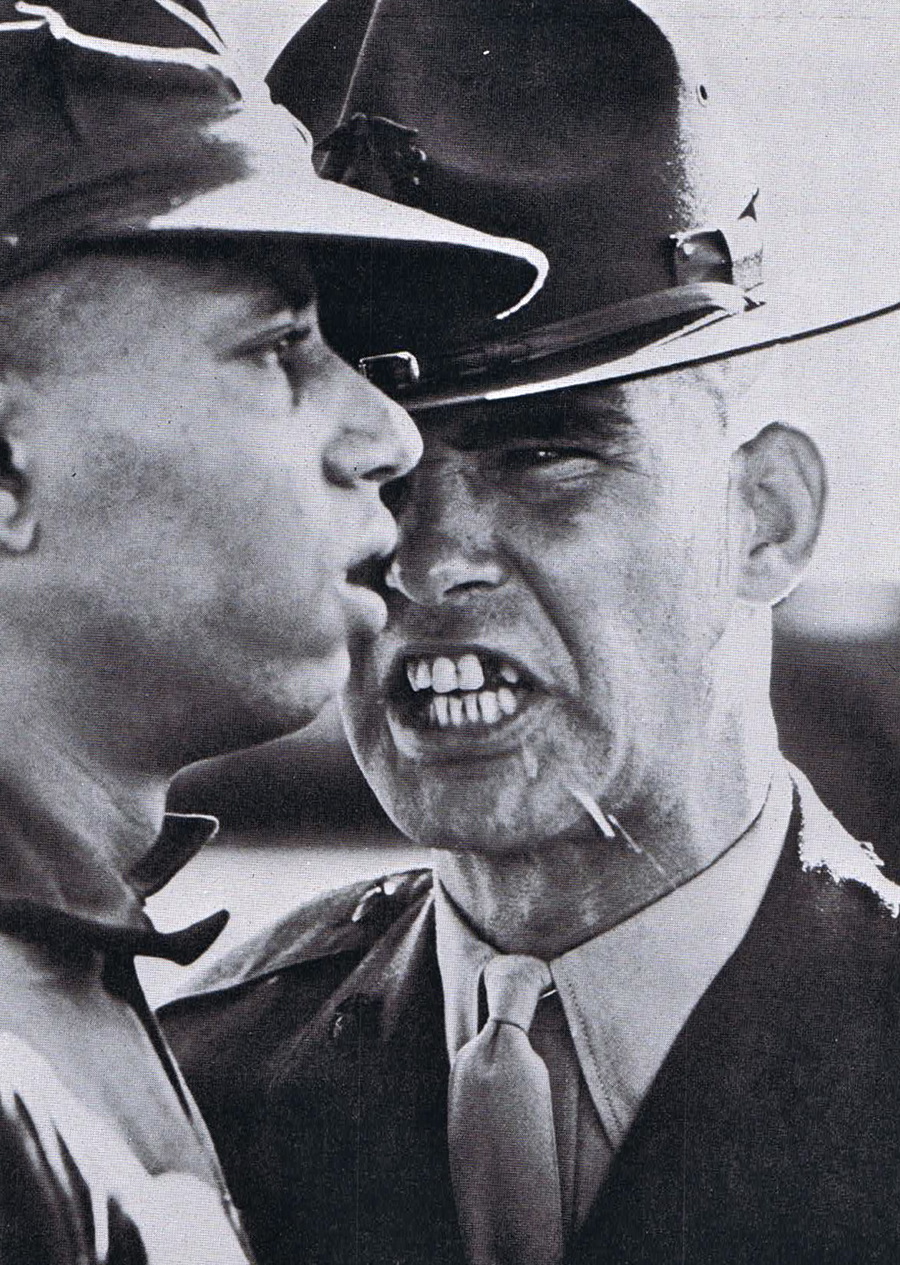
Look and Life were big, not just in circulation but in dimensions. The large format stood out at the newsstand and provided a wide canvas for the photos. In many ways, it was the complete opposite of our current tiny-screen, grainy-video world. Here is Indian Prime Minister Jawaharlal Nehru, a tiny fetus, and a fierce Marine drill sergeant.
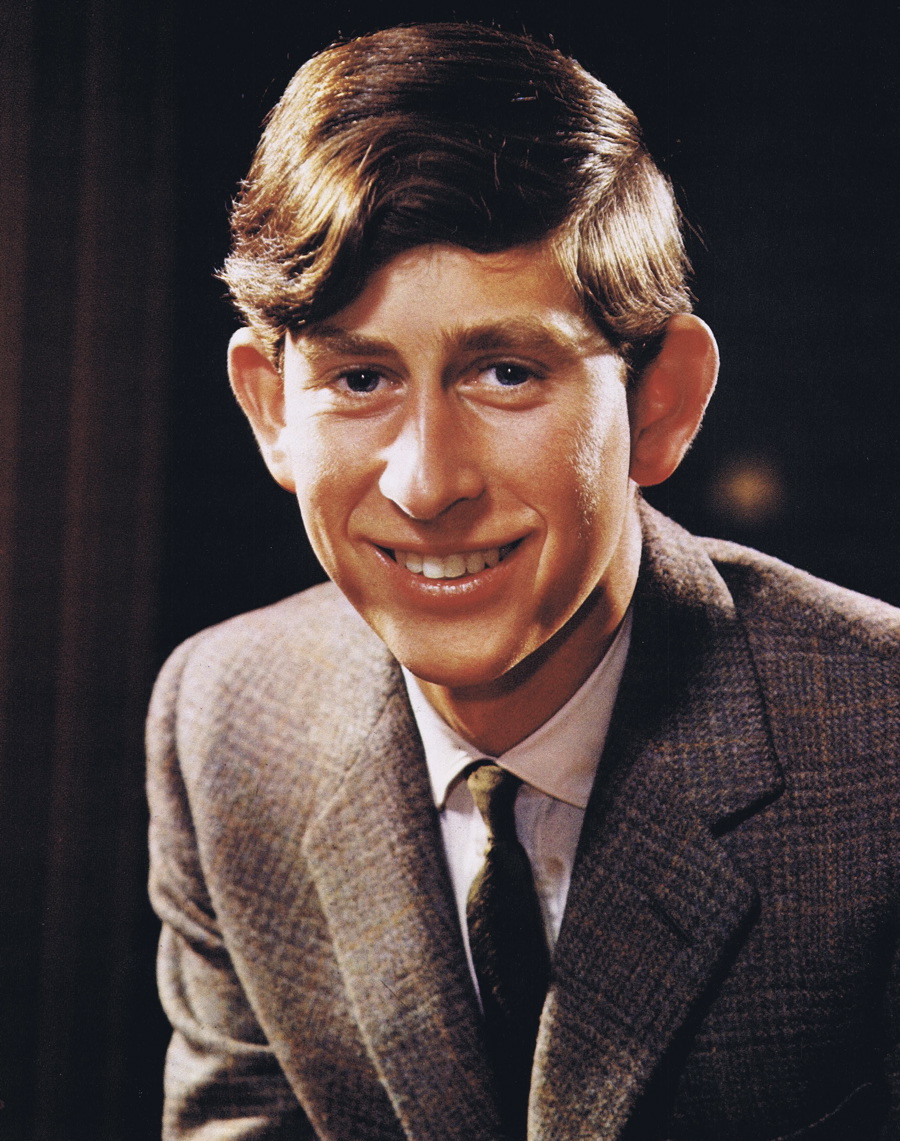
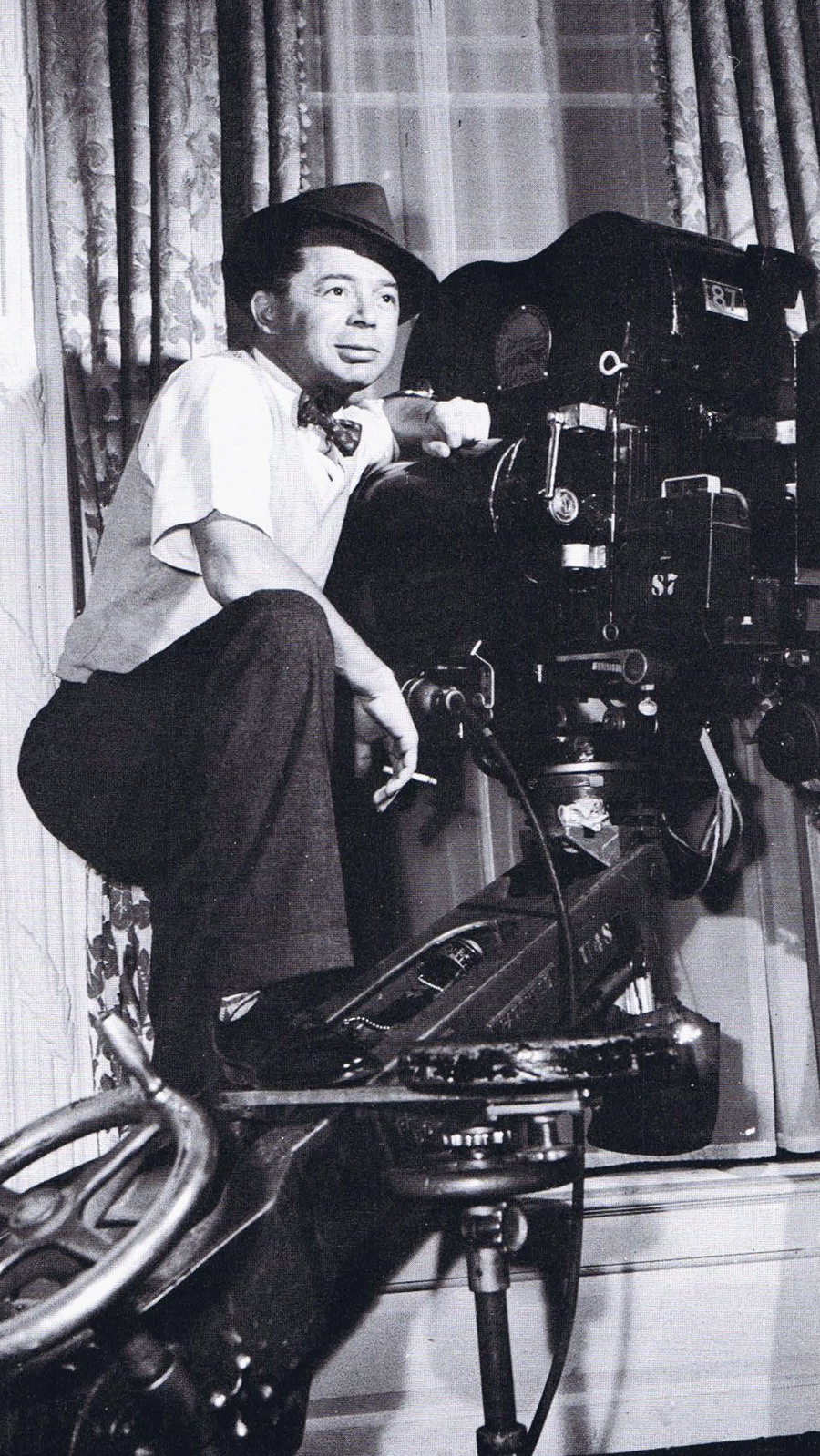
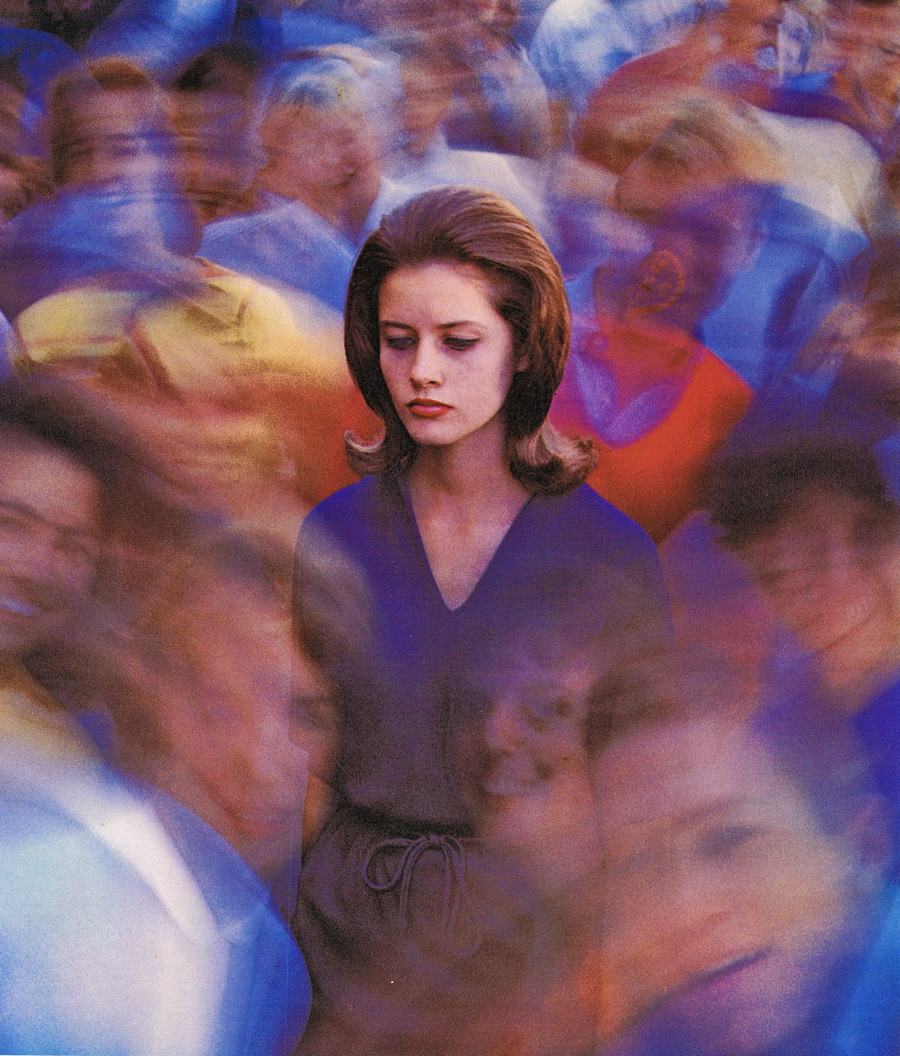
I miss both Look and Life, which were staples in my house growing up. They gave me an appreciation for photography that’s hard to find in today’s mainstream print media: the idea of covering the news through extra-large images isn’t so popular. Below, a young Prince Charles is followed by film-director Billy Wilder and a striking photo of a woman in a crowd.
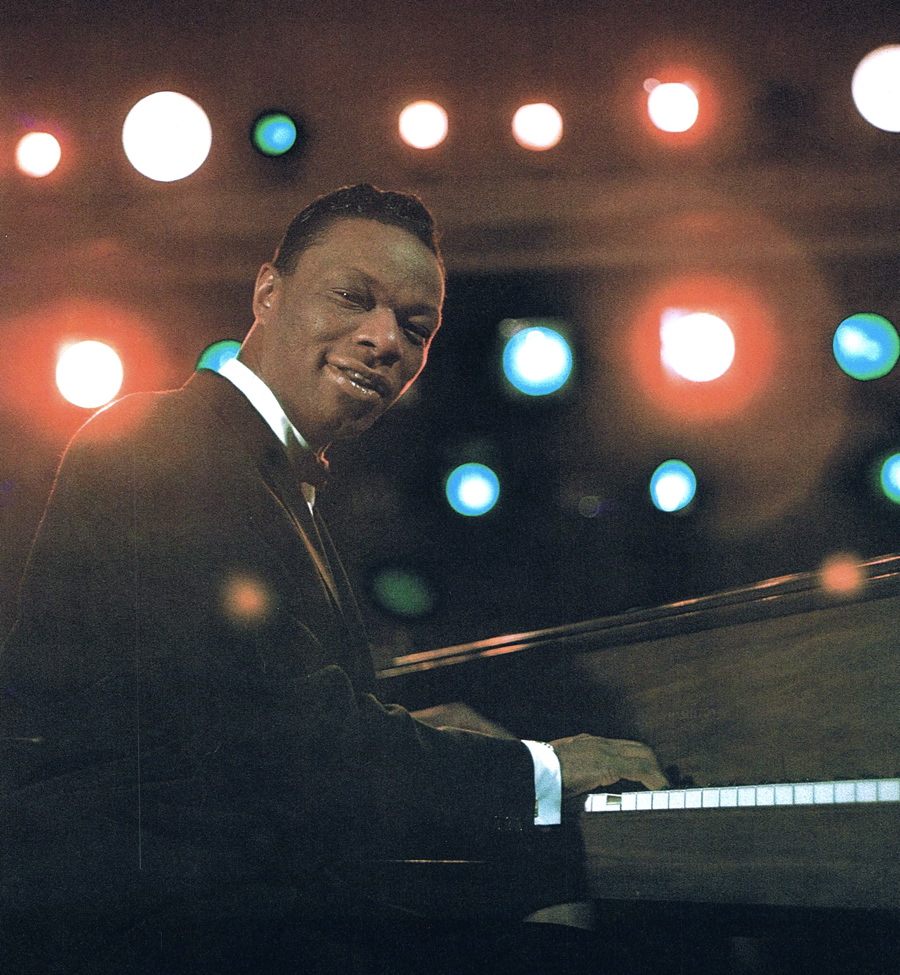
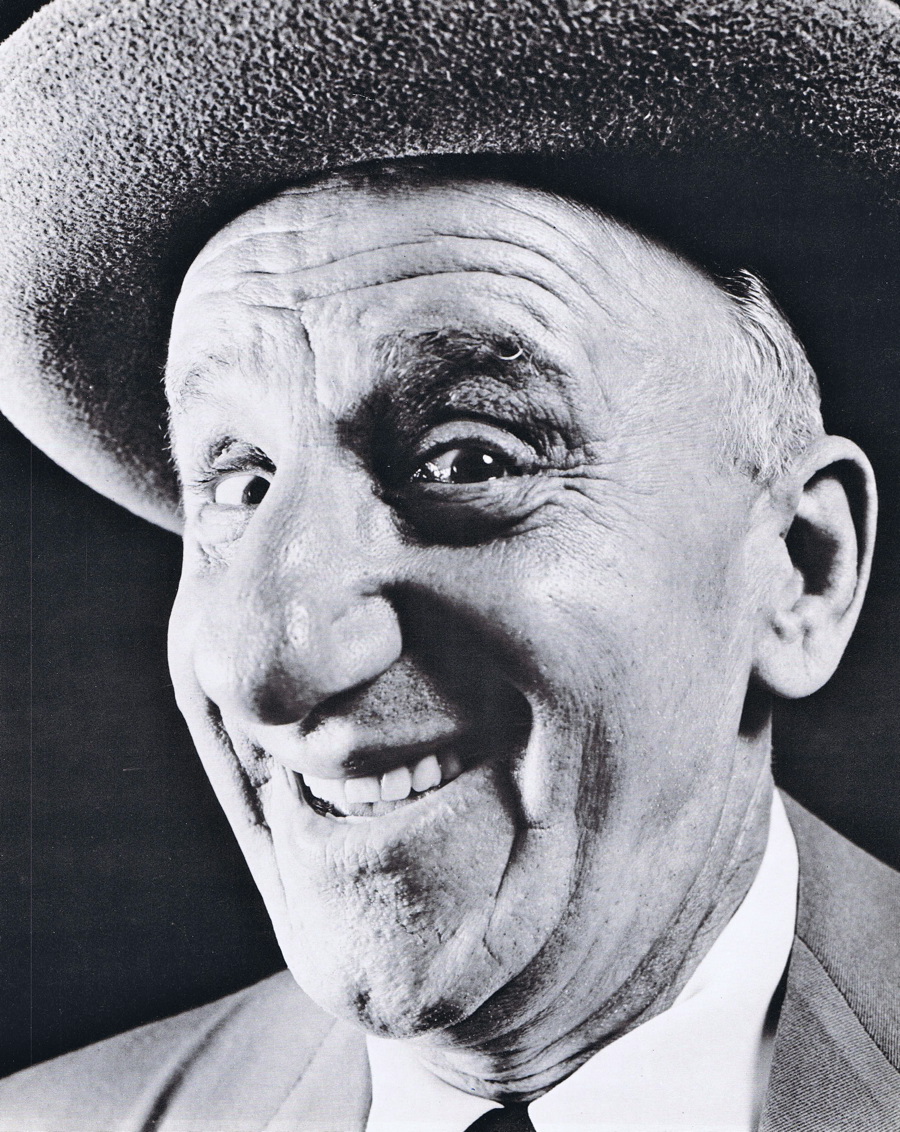
The death of these magazines was due to market forces. Printing and postage costs lead to magazines downsizing, and increasingly impatient readers started getting news from television. Here are Marilyn Monroe, Nat King Cole, and Jimmy Durante.

Nowadays, taking time to page through a “picture” magazine seems dated unless of course the pictures are of celebrities. That’s not to say Look didn’t have its share of celebrity photos, but they were less “stalker” and more “portrait,” like these of television stars James Arness as Matt Dillion, Vince Edwards as Doctor Ben Casey, and Robert Stack as Elliot Ness.
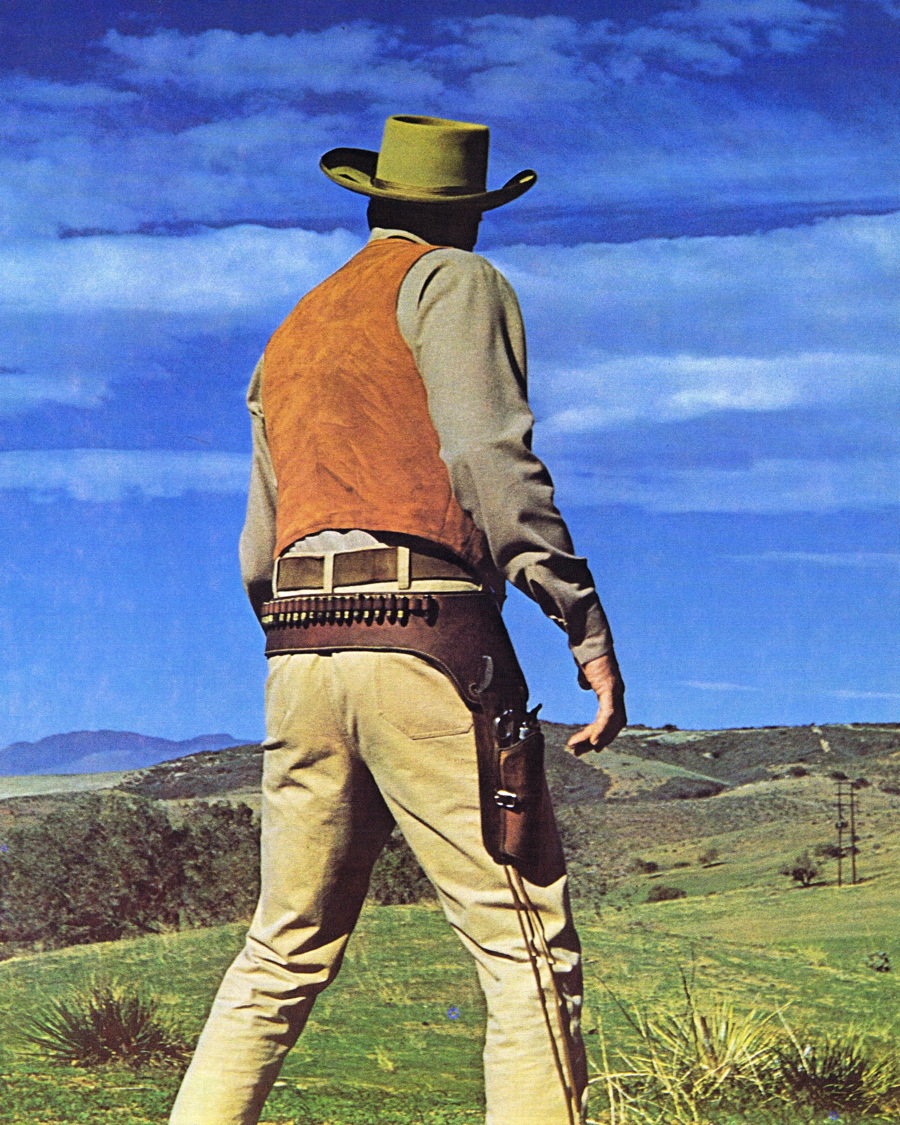
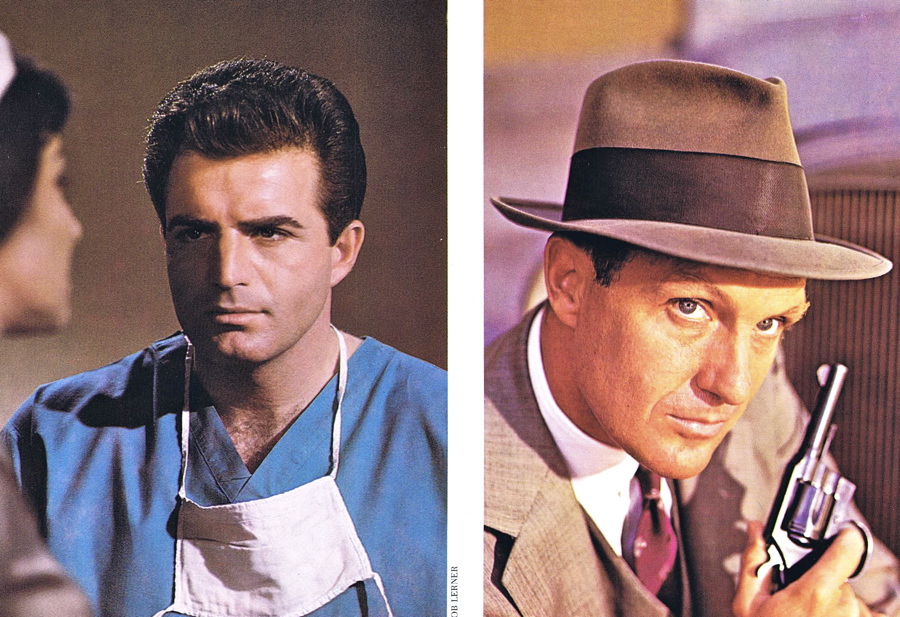
For a few decades, Look and Life magazines were the pinnacle of American magazine publishing: large, lush, and with budgets to assure the best. They provided an outlet for photographers who considered their craft an art form, and gave a perspective you simply can’t get from a screen.
This article was last modified on May 17, 2023
This article was first published on November 5, 2009
Commenting is easier and faster when you're logged in!

Recommended for you
Scanning Around With Gene: When Business Cards Were Big
Occasionally, a garage sale find, thrift-shop discovery, or gifts from friends a...
Fixing Dust and Artifacts in Lightroom
Like any well-meaning photographer, you try to keep your lenses clean. But dust...
New Book on the Totally Awesome VHS Video Cover Art of the 80s and 90s
As we all move ahead into the world of digital media, casting aside our old book...