




Return to page 1.
The motto of the first Life magazine was, “While there’s Life, there’s hope.” The magazine set forth its principles and policies to its readers in early editions: “we wish to have some fun in this paper… we shall try to domesticate as much as possible the casual cheerfulness that is drifting about in an unfriendly world… we shall have something to say about religion, about politics, fashion, society, literature, the stage, the stock exchange, and the police station, and we will speak out what is in our mind fairly, as truthfully, and as decently as we know how.”
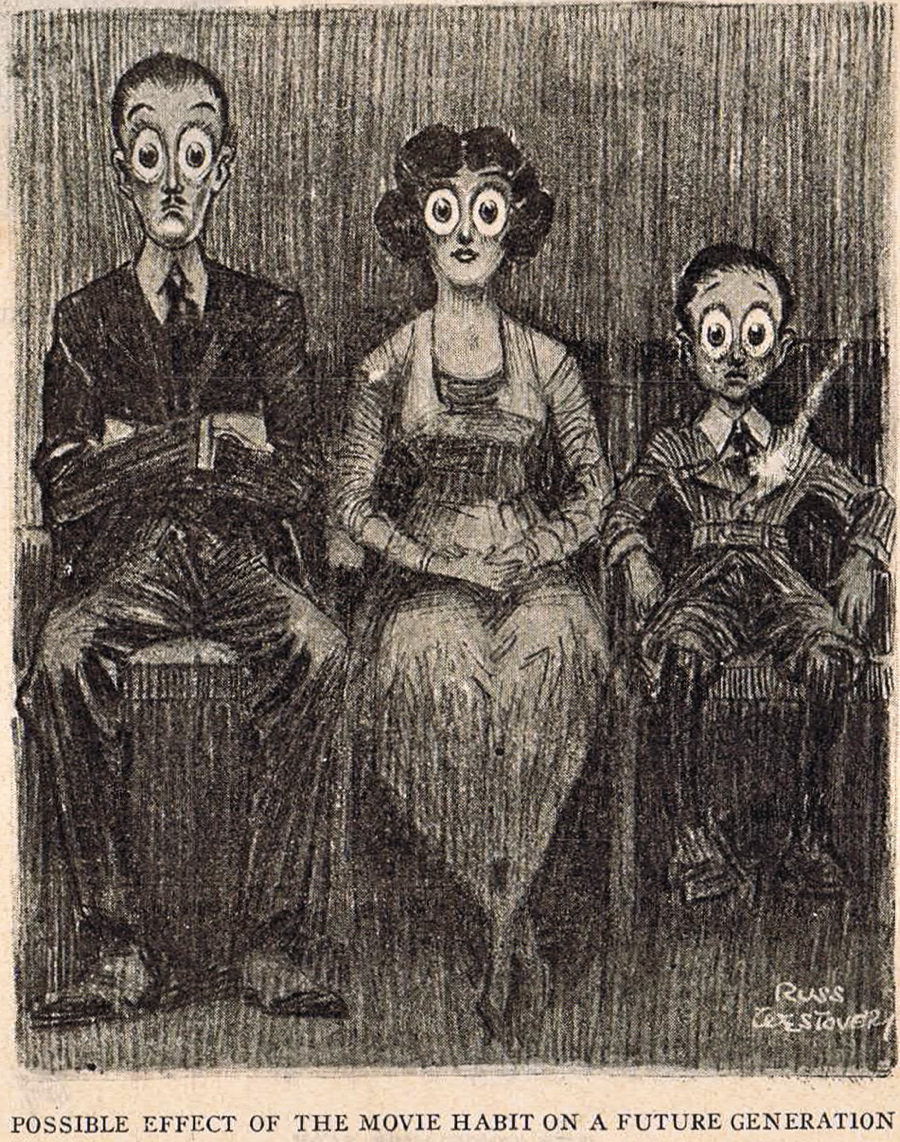
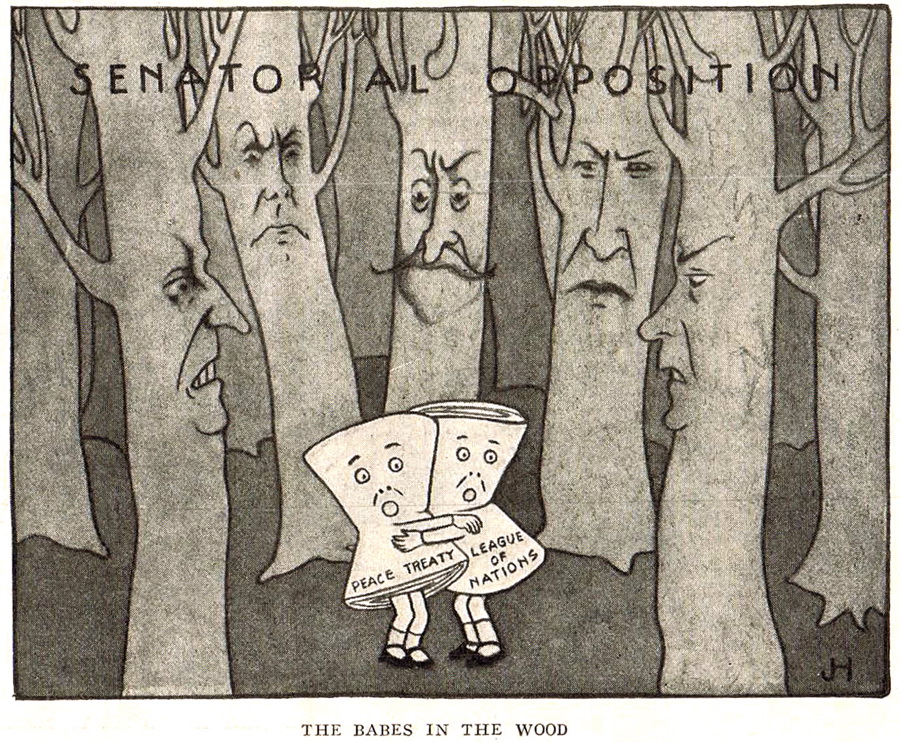
The magazine achieved good success and attracted the leading illustrators and writers of the time. However the magazine became known for its anti-Semitism, including grotesque illustrations depicting Jews.
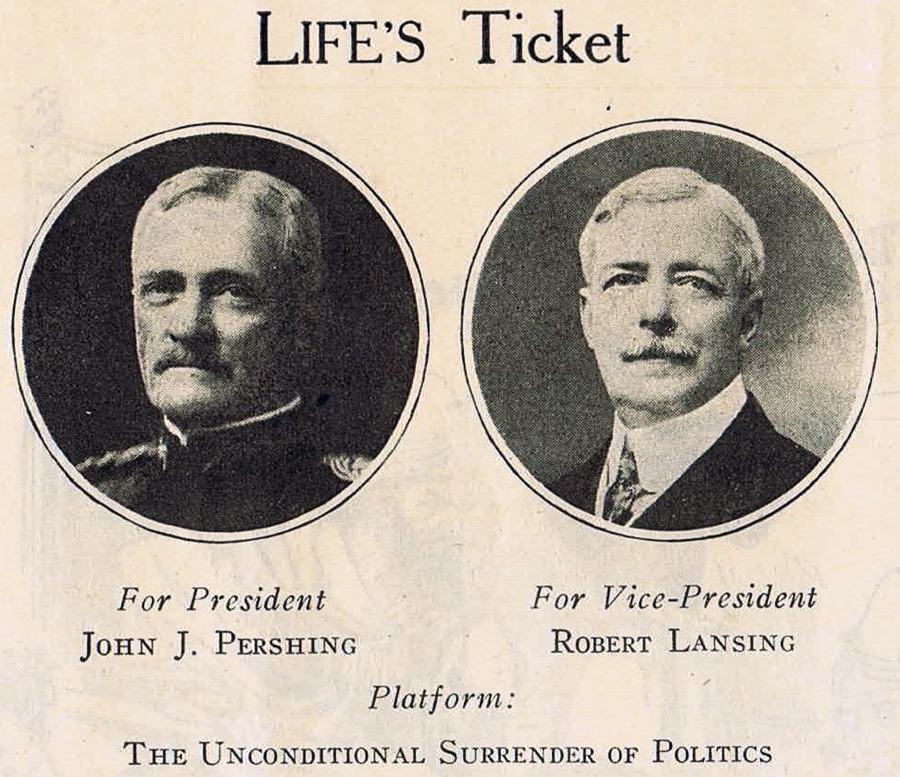
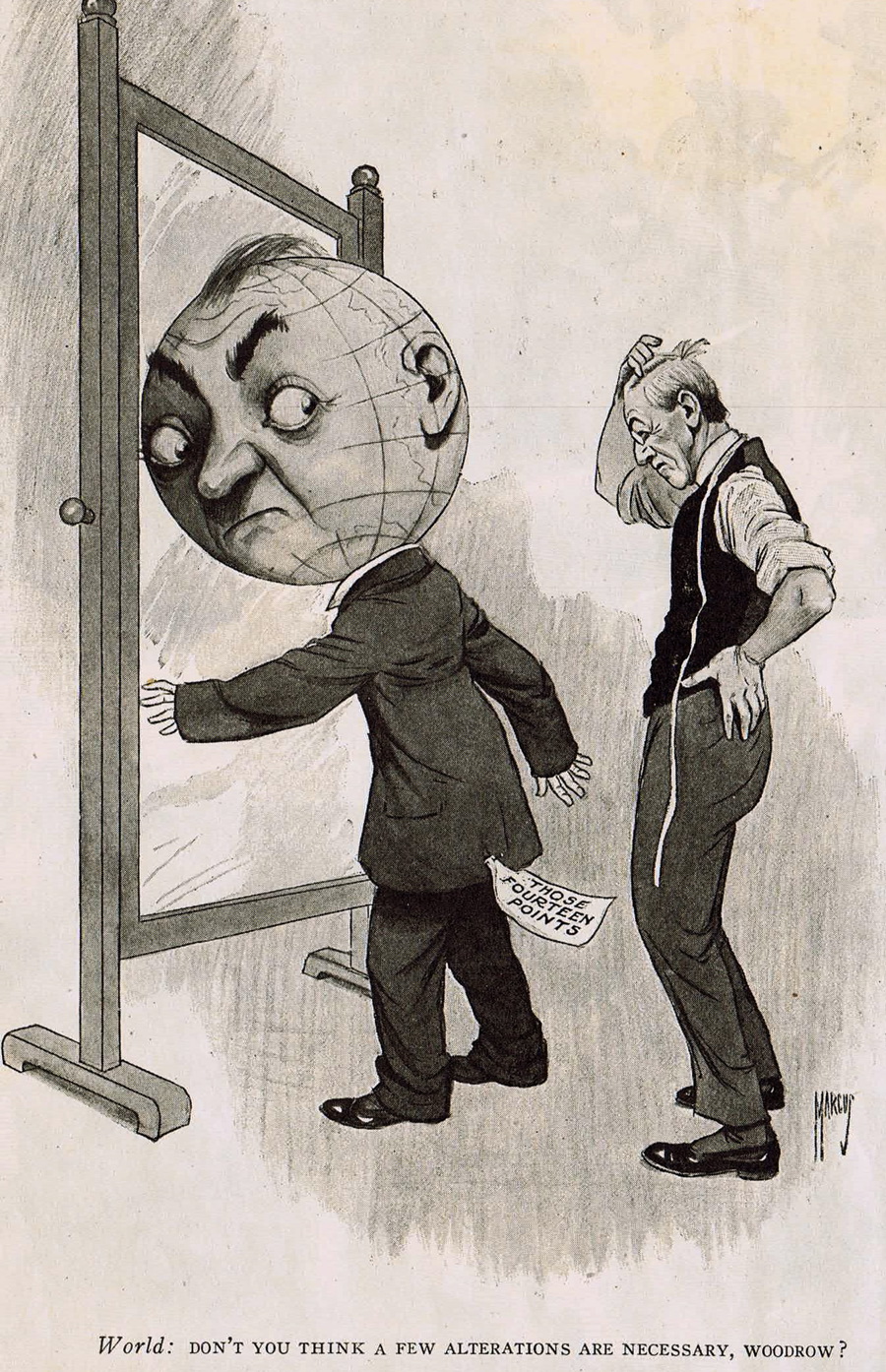
Robert Ripley, of Ripley’s Believe it or Not fame, published his first cartoon in Life, and Norman Rockwell did his first cover illustration in 1917. Rockwell’s illustrations graced 28 covers between 1917 and 1924.
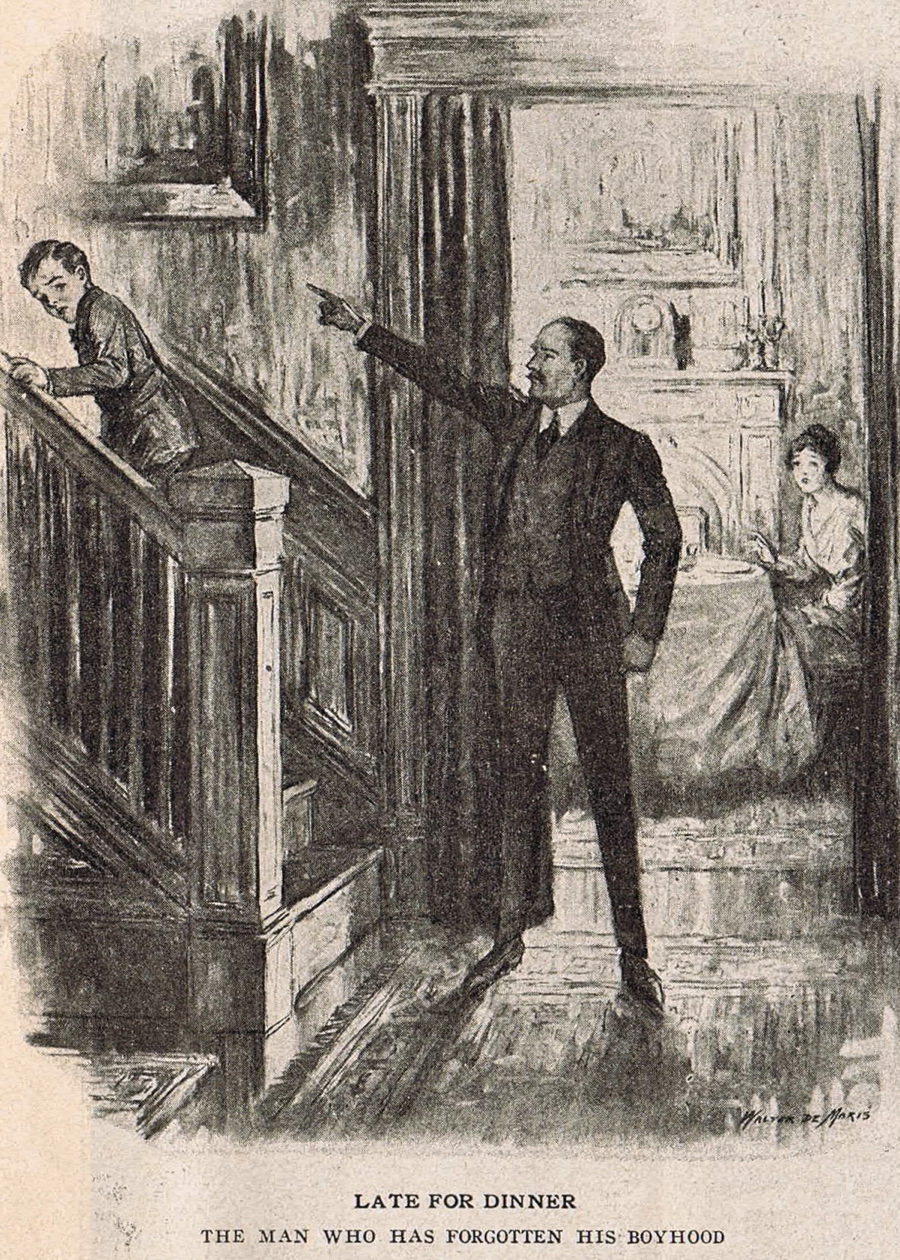
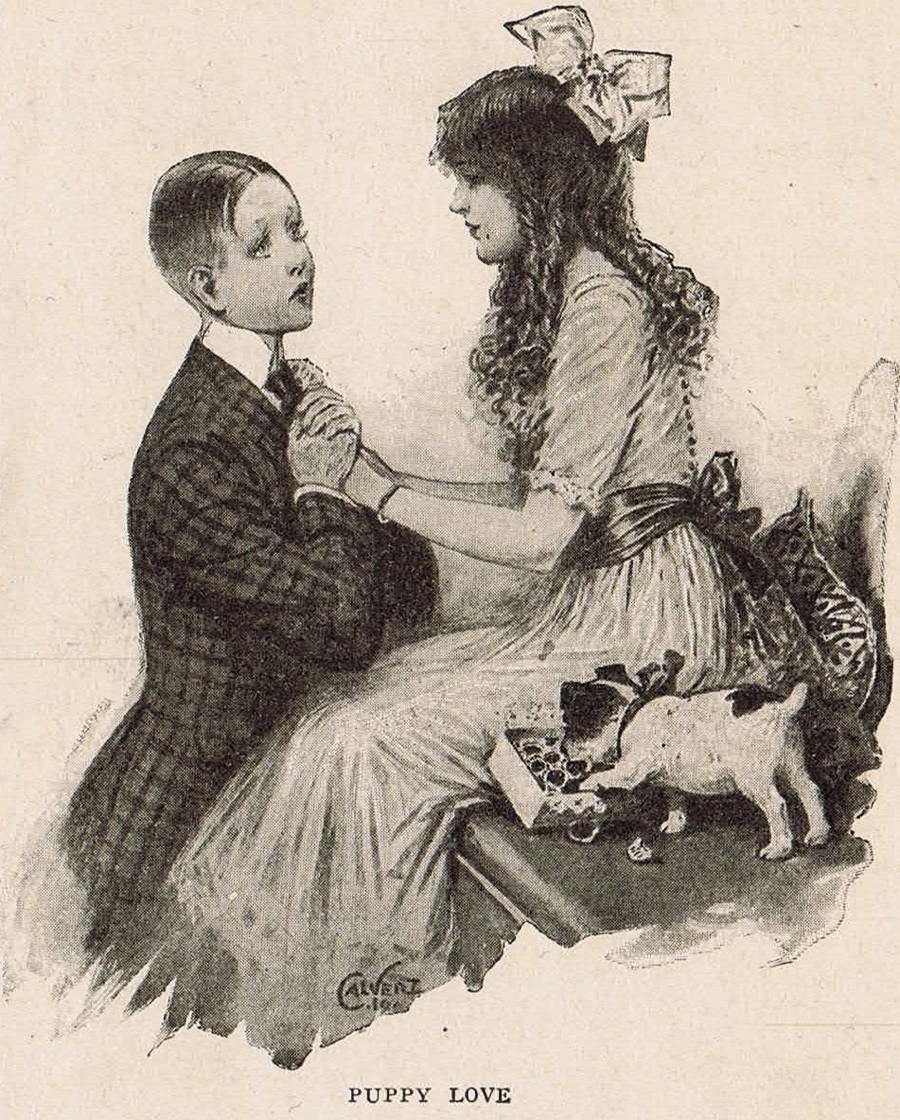
The founders of Life were editorially pro-American and pushed for the country to enter World War I. Mitchell died in 1918 and the magazine was purchased for $1 million.
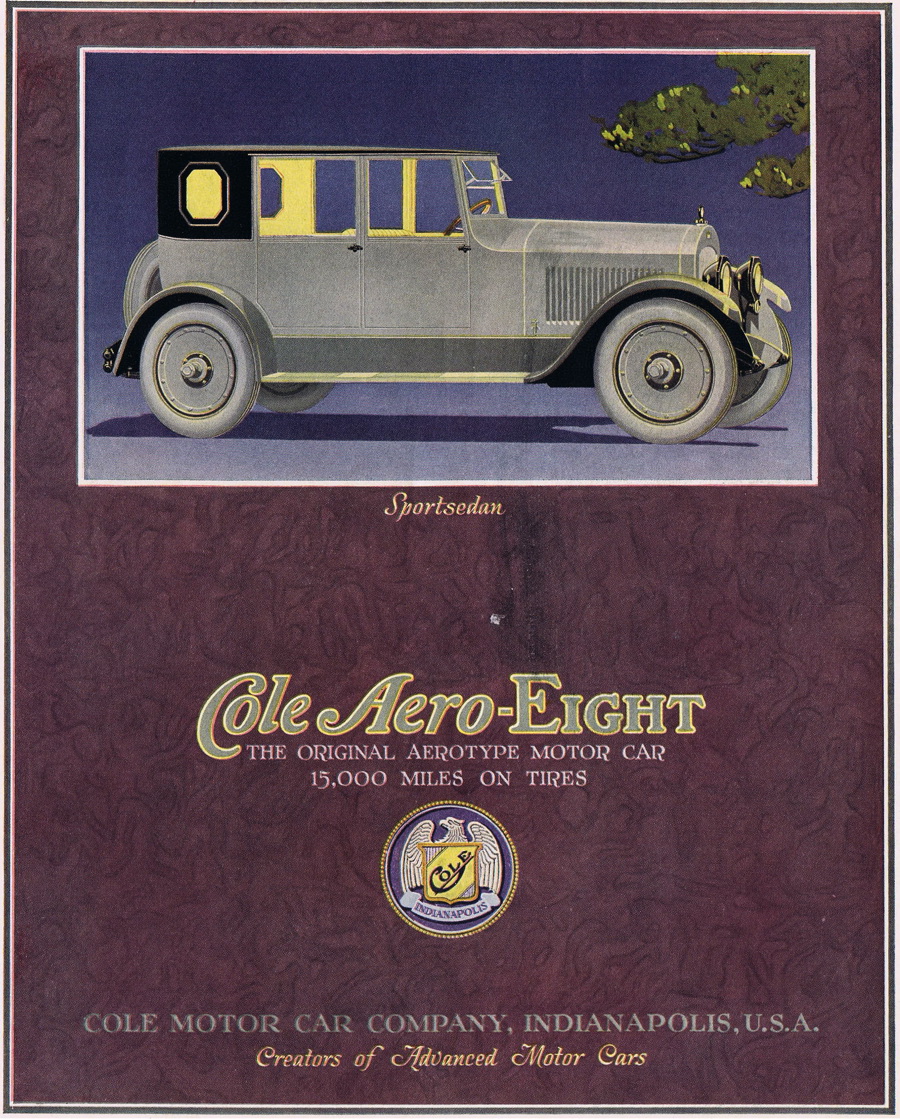

The magazine was anti-Prohibition and tried to take the high road with sophisticated humor. It published early works from the likes of Robert Benchley and Dorothy Parker.


Life magazine’s popularity began to slide by the mid-1920s, and the appearance of The New Yorker created new competition for newsstand sales and editorial talent. Soon the weekly went to a monthly, and by 1936 when Luce bought the title, little value remained except for the name. (He paid $92,000 for the publication.)
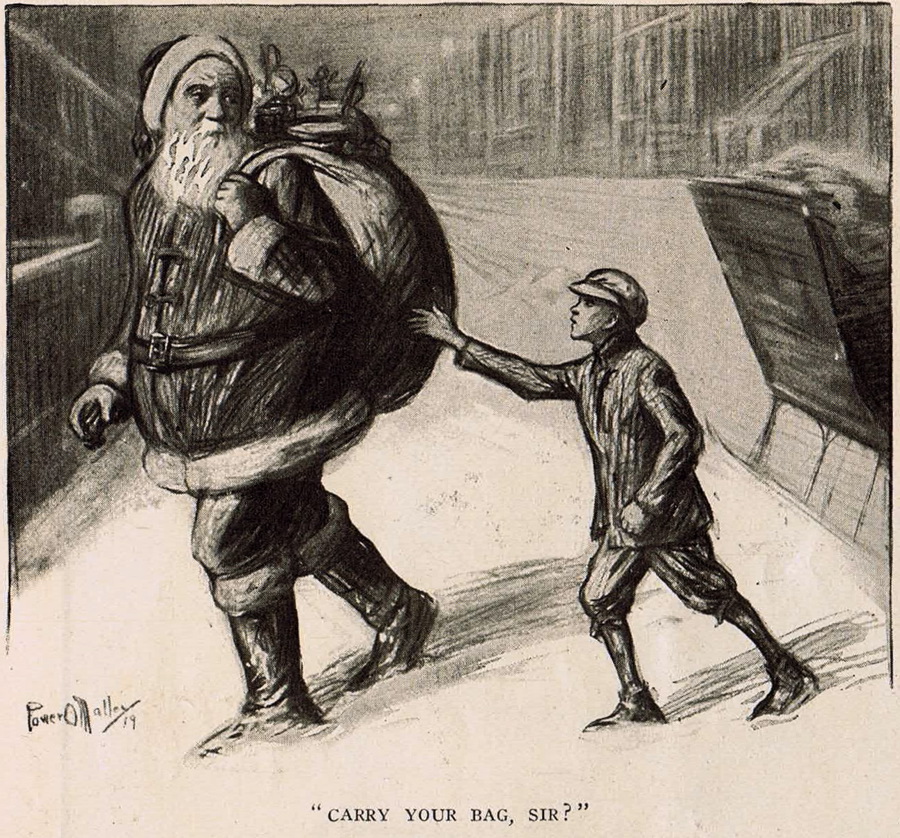
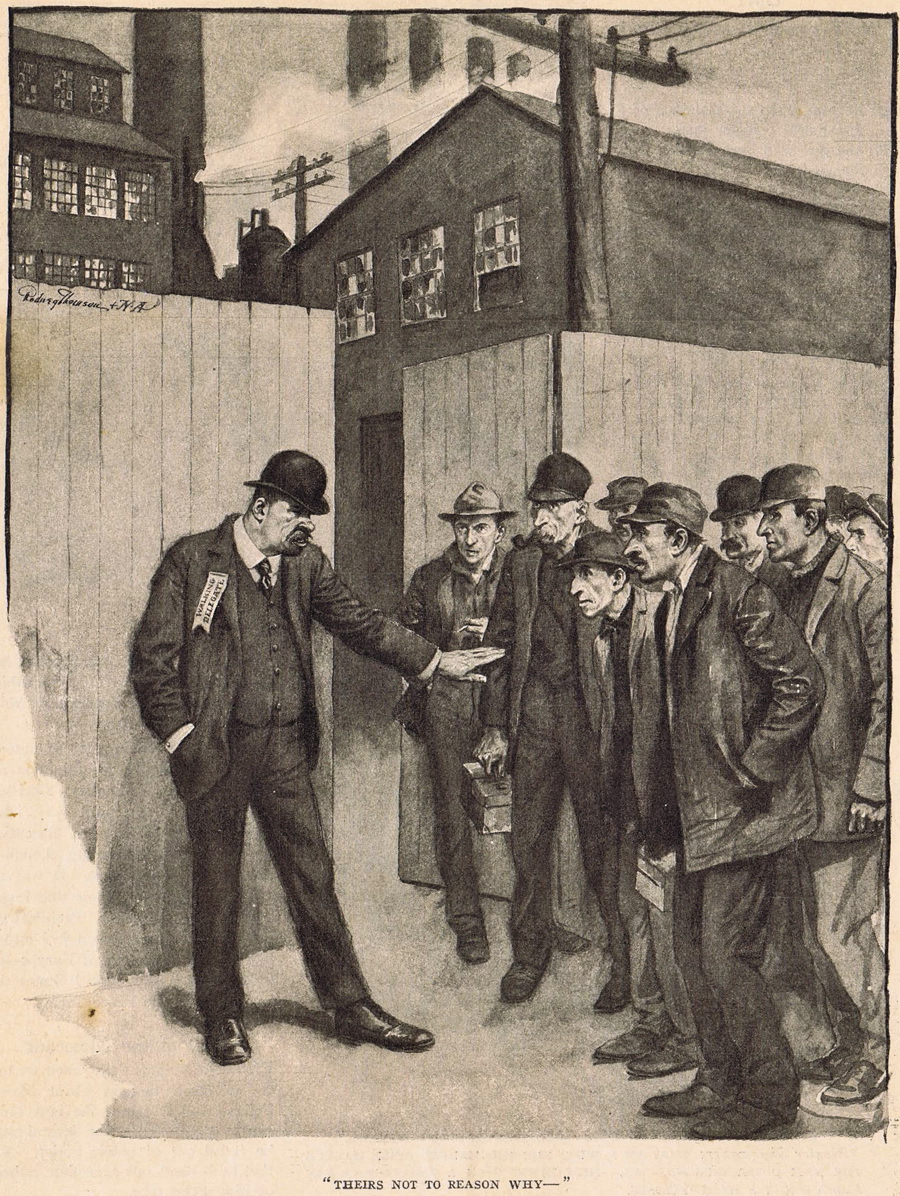
The new Life was a publishing sensation and became the third publication Luce created, after Time and Fortune.
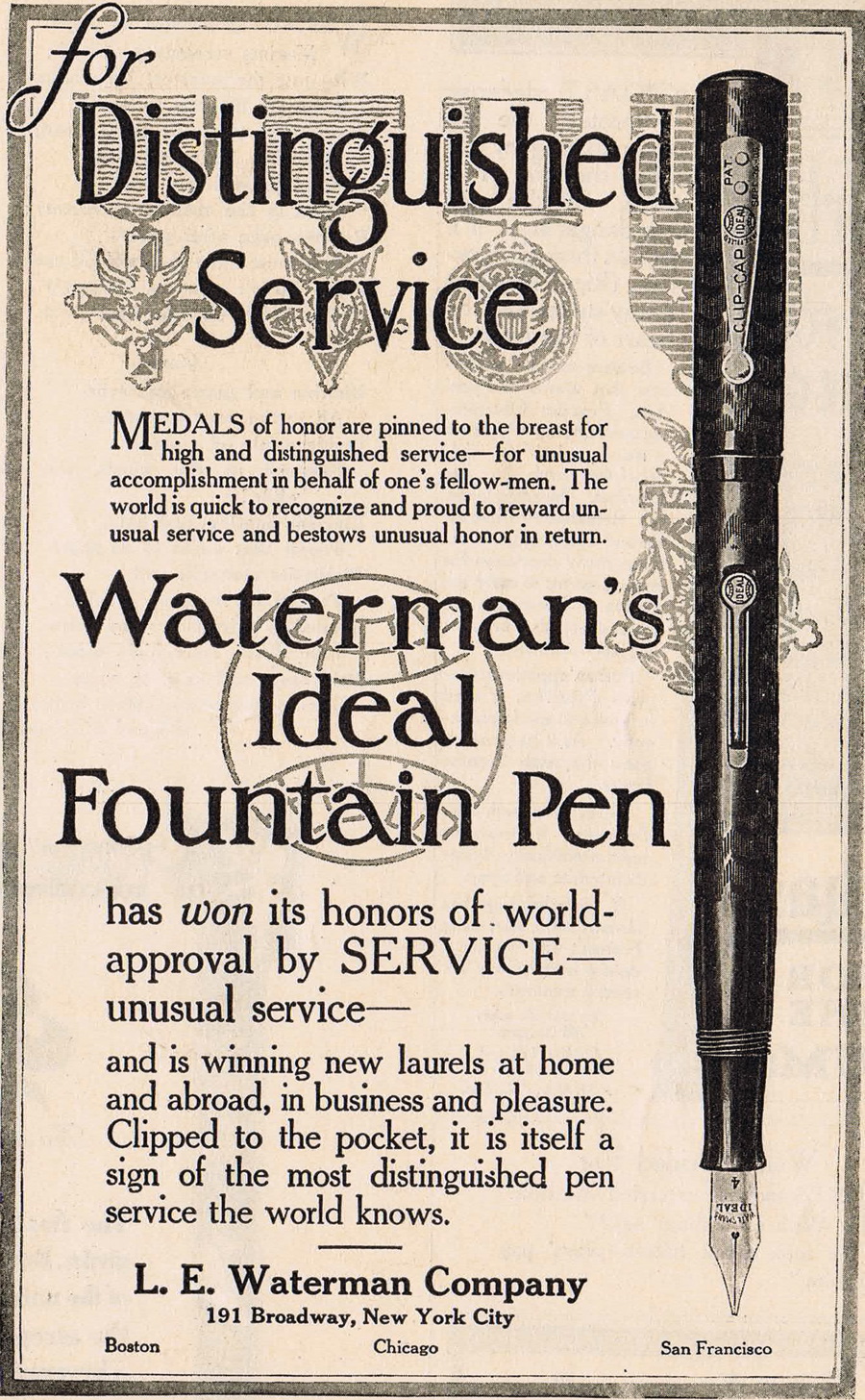
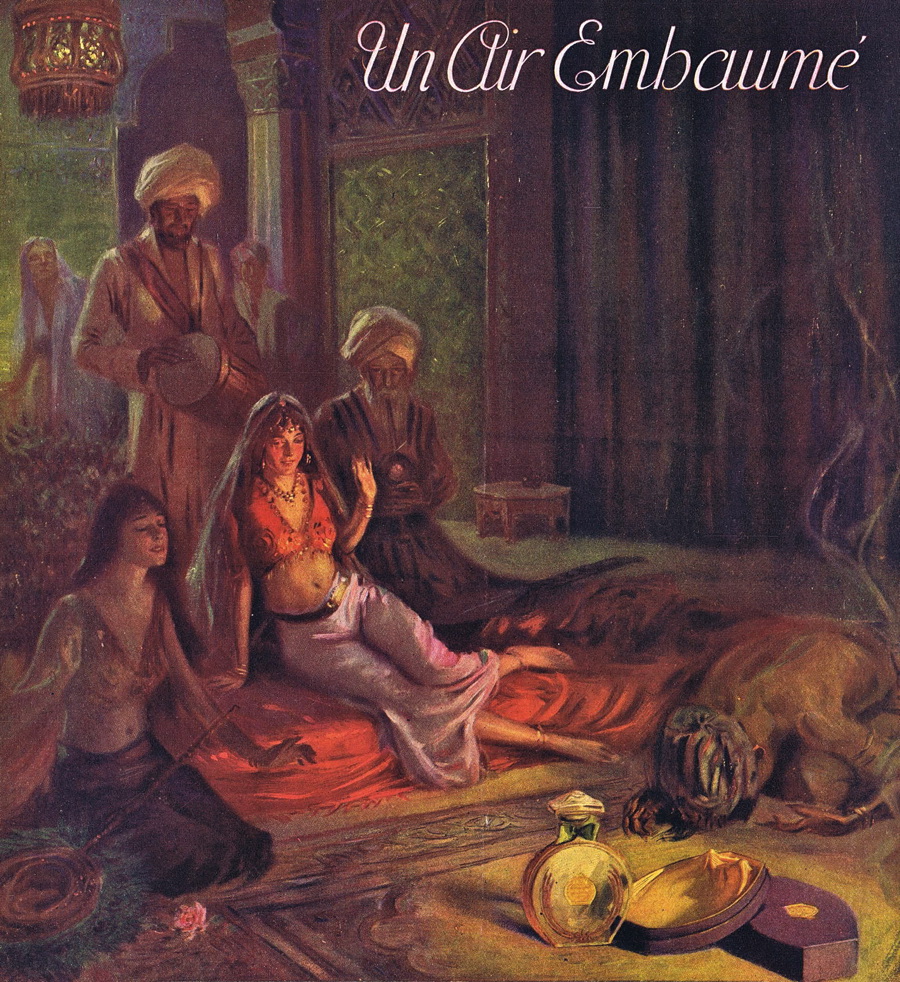
So now you know there was Life before Life.
Follow Gene on Twitter: https://twitter.com/SAWG
This article was last modified on March 6, 2021
This article was first published on February 4, 2011
Commenting is easier and faster when you're logged in!

Recommended for you

Hearst Publishing Selects Extensis for Centralized Font Management
Extensis, a division of Celartem, Inc., today announced that Hearst Corporation,...

Moving Side-tabs Using Only One Master Page and Chartwell Bars
Colin Flashman devises a clever technique with section markers, anchored objects...

The Adobe Illustrator Summit agenda is here!
We’re thrilled to share the full agenda for The Adobe Illustrator Summit, t...