


A person on the Adobe InDesign User to User Forum posed this question today: “I usually outline the fonts when I’m making PDFs to send to clients as proofs or to send to the printer. Is it even necessary to outline the fonts? I was always under the impression that if you don’t and the person receiving the PDF doesn’t have the particular font on their computer, it will default to a different font in the PDF.”
This is one of those urban myths of publishing: that you frequently need to outline fonts. The truth is that you should almost never have to outline fonts. Really only if you want to mess around with the glyph shapes for a special artistic effect. Unfortunately, it’s perpetuated by some print service providers and others who insist that they won’t receive a PDF file unless the fonts have been outlined.
The truth is that InDesign always embeds fonts in the PDF if the font vendor’s End User License Agreement (hereinafter referred to as the EULA) says you can. Sometimes users think they can get around restrictions on sharing fonts with others by converting text to outlines. According to Claudia McCue’s excellent Real World Print Production (Peachpit Press), “Surprisingly…converting text to outlines does not sidestep the provisions of the font vendor’s EULA. In fact, while some some font vendors’ licensing allows conversion of text to outlines, many expressly forbid it.”
Here are some other good reasons not to outline fonts:
- The outlining of text will degrade the typographic quality of the text. Why is this? The glyphs are turned into normal graphics which lack the intelligence that fonts have in displaying or printing text, particularly on lower resolution devices. Fonts have hinting built in, which makes them look good at low resolution. This is lost when you outline type.
- Certain attributes will be lost when outlining because they are not part of the font itself, but are applied by InDesign. Try adding these features to your InDesign type?underlining, strikethrough, bullets applied with the Bullets & Numbering feature, or footnotes. Then select the text and choose Type > Create Outlines. Guess what: Those attributes just disappear!
Almost always, the best answer is to (1) use fonts which allow embedding, and (2) let InDesign embed the fonts (which it does by default) when you create a PDF file. The resulting PDF file can be viewed in Acrobat or free Adobe Reader on either Mac or Windows, or printed to almost any printer with the fonts intact.
So the next time, a printer says that you need to outline your fonts, just say NO! And start looking for another printer who will take your PDF with properly embedded fonts.
This article was last modified on May 13, 2025
This article was first published on February 21, 2007
Commenting is easier and faster when you're logged in!

Recommended for you
Don’t Sweat the Math—Let Photoshop Do It!
Let Photoshop—and other Adobe apps—do the math for you when entering numerical v...

Index Fixes: No Styling in Topic Names
Topic names cannot natively be styled in the Index panel. However, a simple solu...
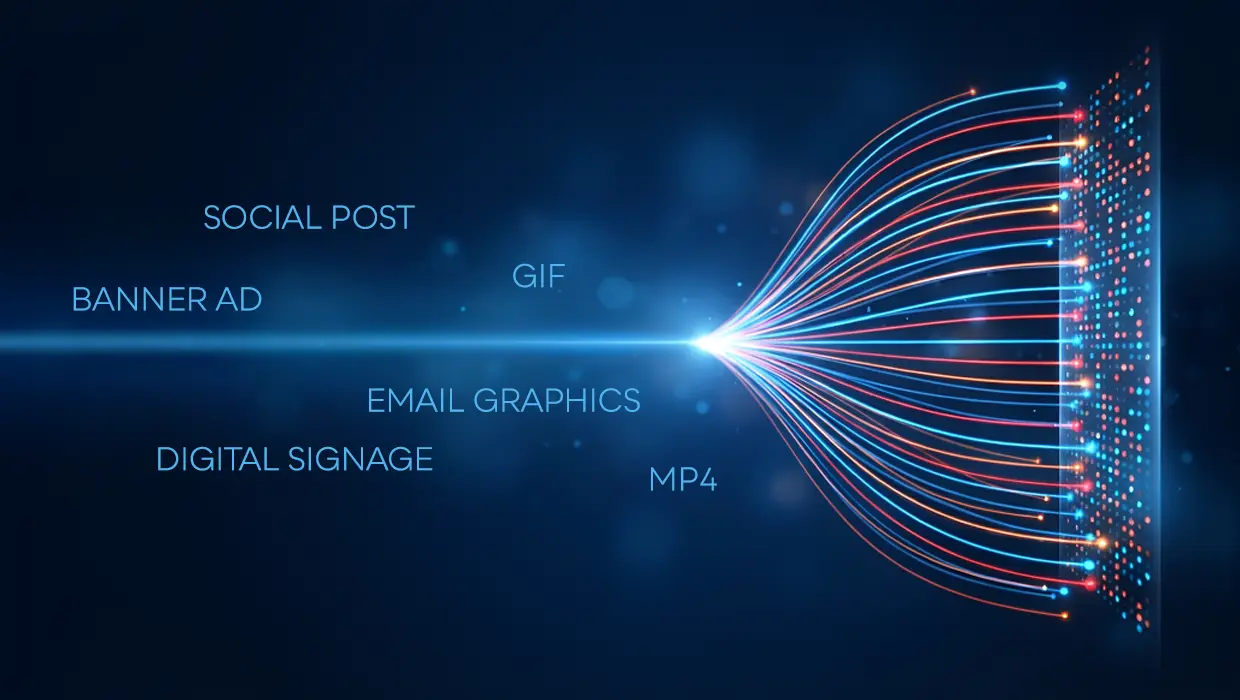
Resizing InDesign Layouts with AI
Most designers don’t create a single deliverable anymore. They create campaigns....