




In the opening keynote speech at Seybold Boston 2000, we presented data that shows that commercial printing is virtually a no-growth industry. And in today’s rapidly expanding economy, that’s really the same as saying it’s an industry in decline.
And while Thad McIlroy and the rest of the panel gave some logical reasons why this is happening, I wanted to highlight a few reasons that are not so easy to document with charts and statistics.
First, there is the generational factor. Let’s face it – today’s young folks are being raised in front of computer screens. They surf the Web, they do their homework digitally, they carry cell phones, they play video games, and they listen to MP3 music. The emotional attachment to print is simply not there like it is among those of us who still care about reproduction quality and have fond memories of reading books as children.
I don’t think you can underestimate the effect generational changes will have on the use of print. The music industry easily made switches from 78 rpm records to 33 1/3, then to CDs, and now to MP3, not necessarily by convincing everyone the new formats were better, but by timing their conversions to the music-buying habits of the generations involved.
Many schools are already looking at e-books as a possible way to keep text more current and avoid the problems associated with kids lugging around heavy backpacks. It’s only going to take an e-book on the desk of every third grader to wean an entire generation away from print.
The second unknown factor is the environmental one. Print simply doesn’t make any sense. You cut down a tree, run it through extremely wasteful processing, ship it halfway around the world to a printing plant, print on it, then ship it back half way across the world. And if you’re lucky, the reader puts it out for recycling where it is once again handled, shipped, and processed, and the entire cycle starts over again.
I feel strongly that as new generations evaluate the alternatives, we may see a time when reading a printed magazine has a stigma similar to smoking a cigarette today. We’ll allow it, but most people will agree it’s harmful. And, quite frankly, it is.
The last mystery factor is unknown technology. A number of companies are already working on e-paper – hybrid substances that are effectively re-usable sheets that can be imaged over and over again. This type of material would obviously provide the benefits of electronic documents with the feel and practicality of printed ones. And they avoid the environmental issues.
So while many of us are big fans of beautiful printing and rich documents, I believe the writing is on the wall (or the screen). Paper-based information distribution is a dying concept. It’s only a question of how long the patient has to go.

Copyright 2000 PrintPlace.com, Inc. All rights reserved.
This article was last modified on April 1, 2000
This article was first published on April 1, 2000
Commenting is easier and faster when you're logged in!

Recommended for you

InDesign Magazine #57: The Photography Issue
We’re pleased to announce Issue 57 of InDesign Magazine has shipped! If you’re a...
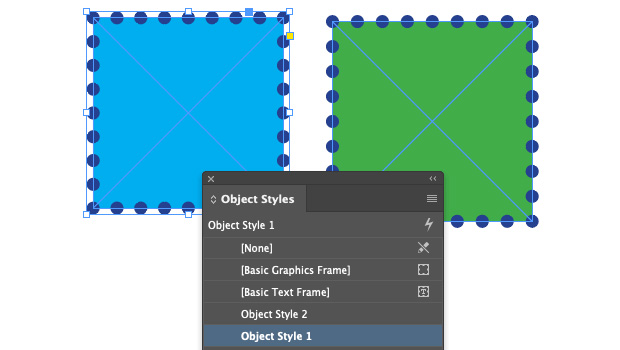
Making Based On Object Styles in InDesign
Maximize your efficiency in InDesign by using the Based On feature to connect ob...

Kerntiff MoreInfo
Much of my workflow involves obscure, little understood technical features of In...