



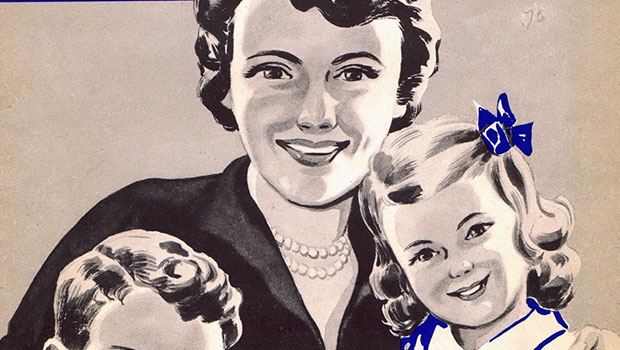
[Editor’s note: In the previous installment of this column, Gene shared memorabilia from a shoebox he discovered when he made a recent—and final—visit to his childhood home after his mother’s passing. This is part two.]
My mother never really wanted to be a nurse. It was, in her mind, the least offensive of the three career choices open to woman of her day: teacher, secretary, or nurse.
While I don’t know what my mother would have preferred to be, I like to think it was something exotic, such as lion tamer or stunt pilot. But nurse it was, so she put on a decent front and handled life with great efficiency and discipline, whether she was taking care of school children in the States or soldiers abroad. Click on any image for a larger version.

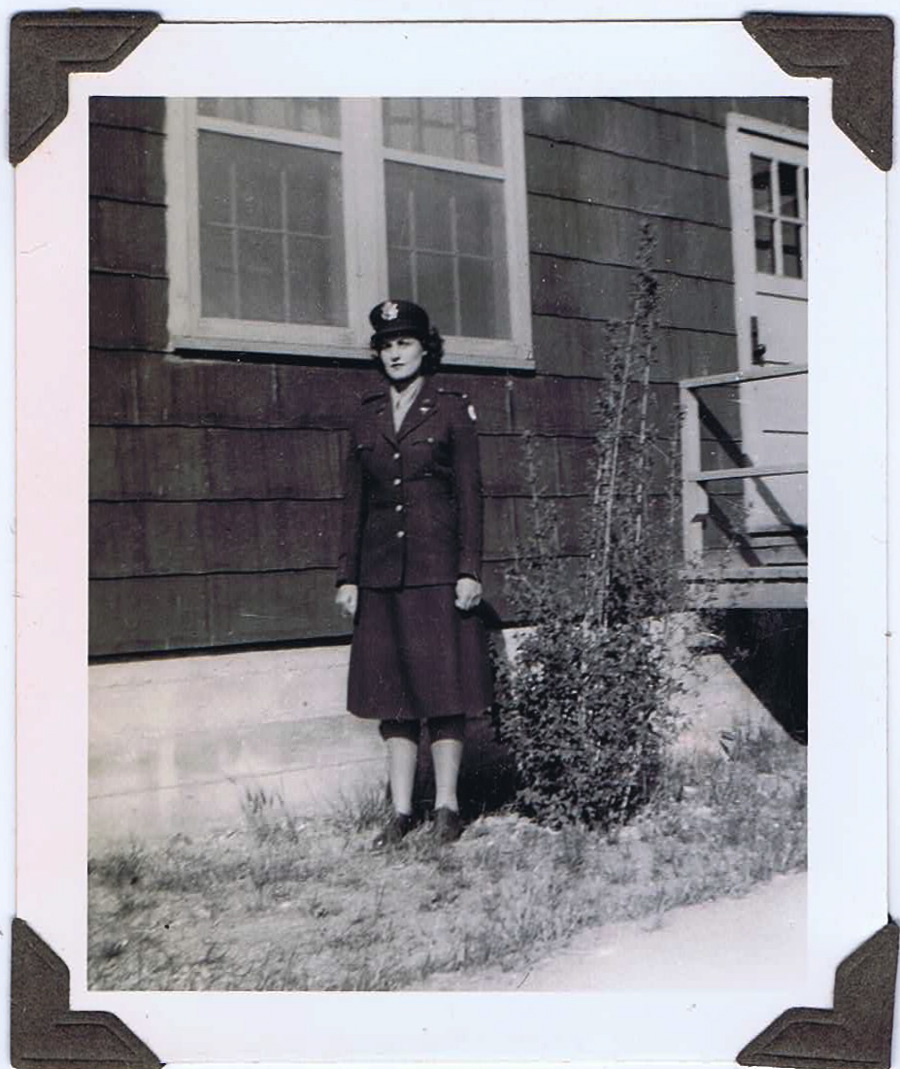

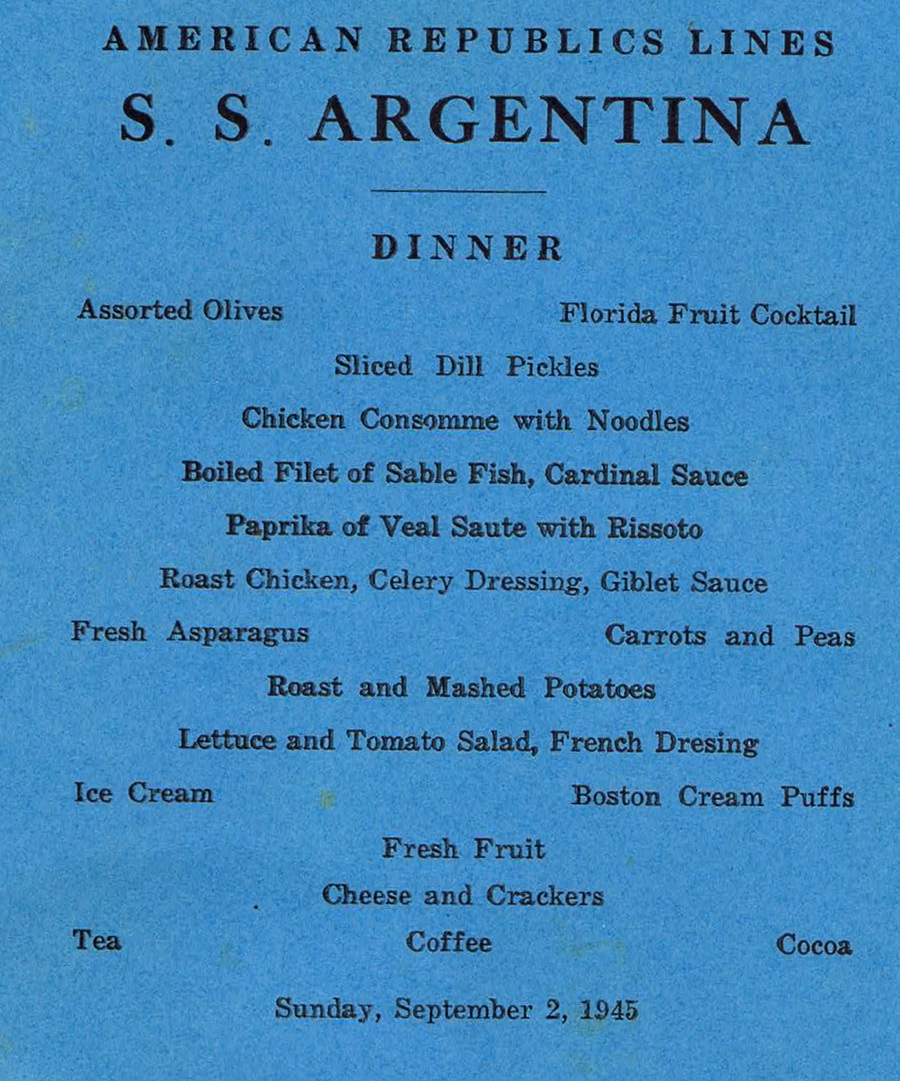
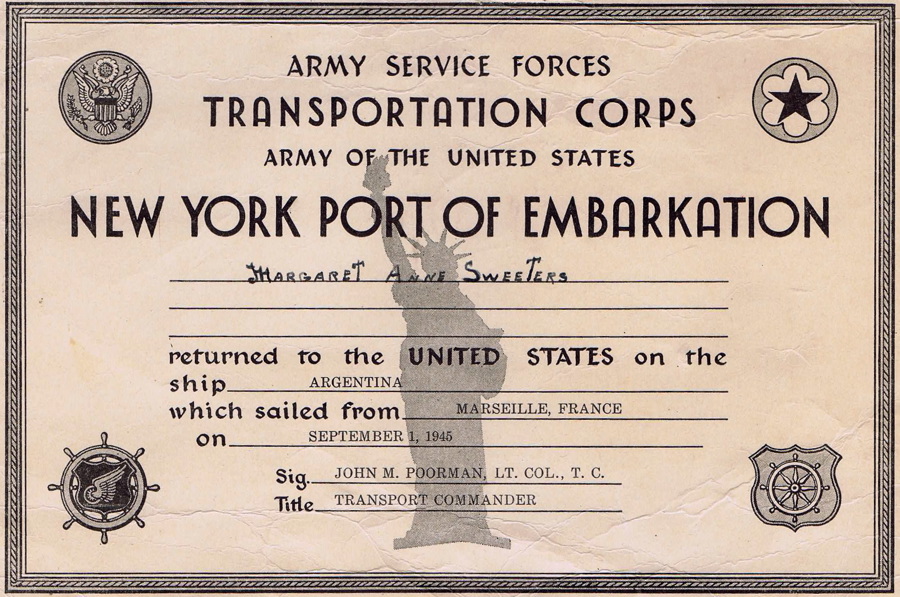
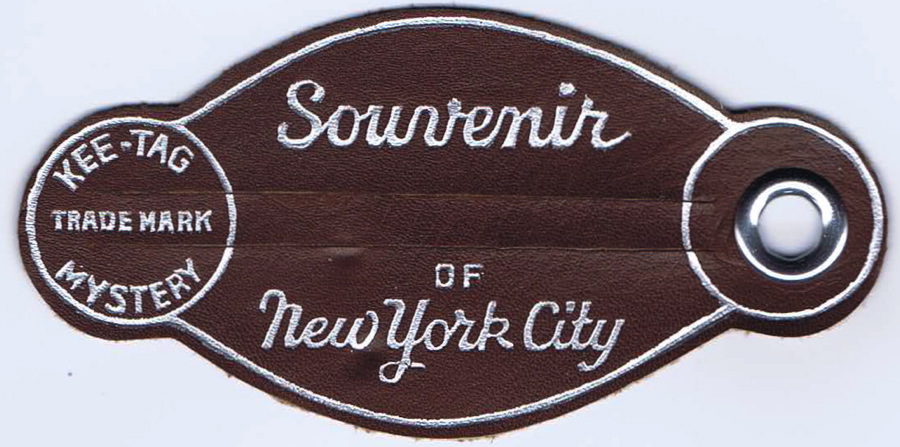
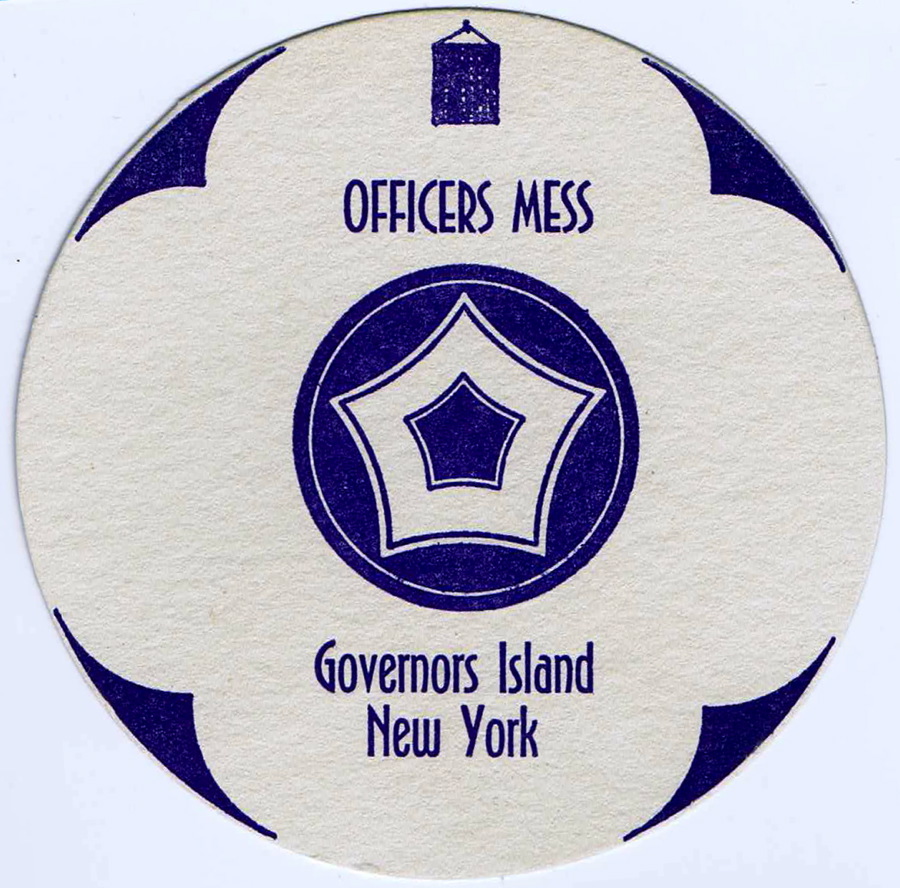
My mother was very proud of her military service; she tended to the wounded in England and France. She saved the menu from her return voyage home on the S.S. Argentina (she went over on the Queen Mary) and a couple of mementos from her brief stay in New York City. Aside from her war experience, my mother traveled very little.
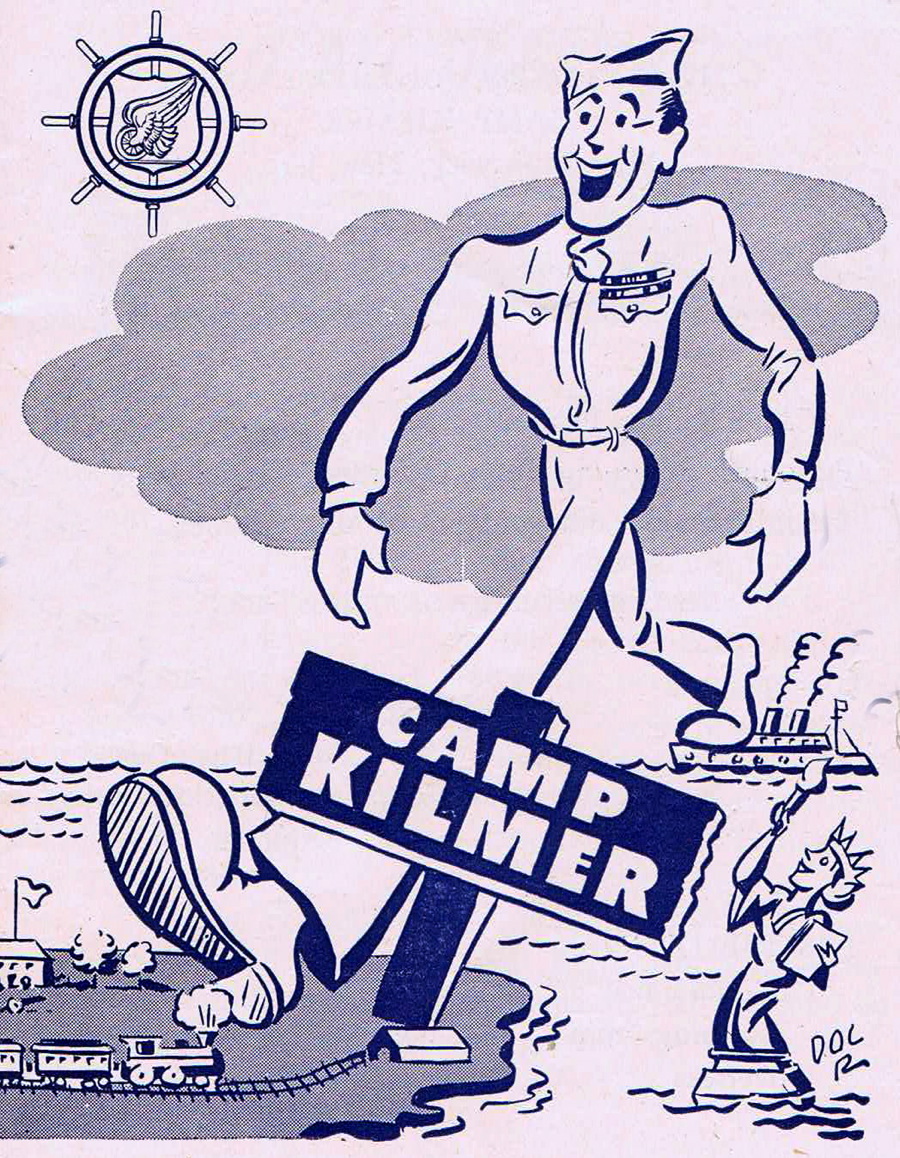
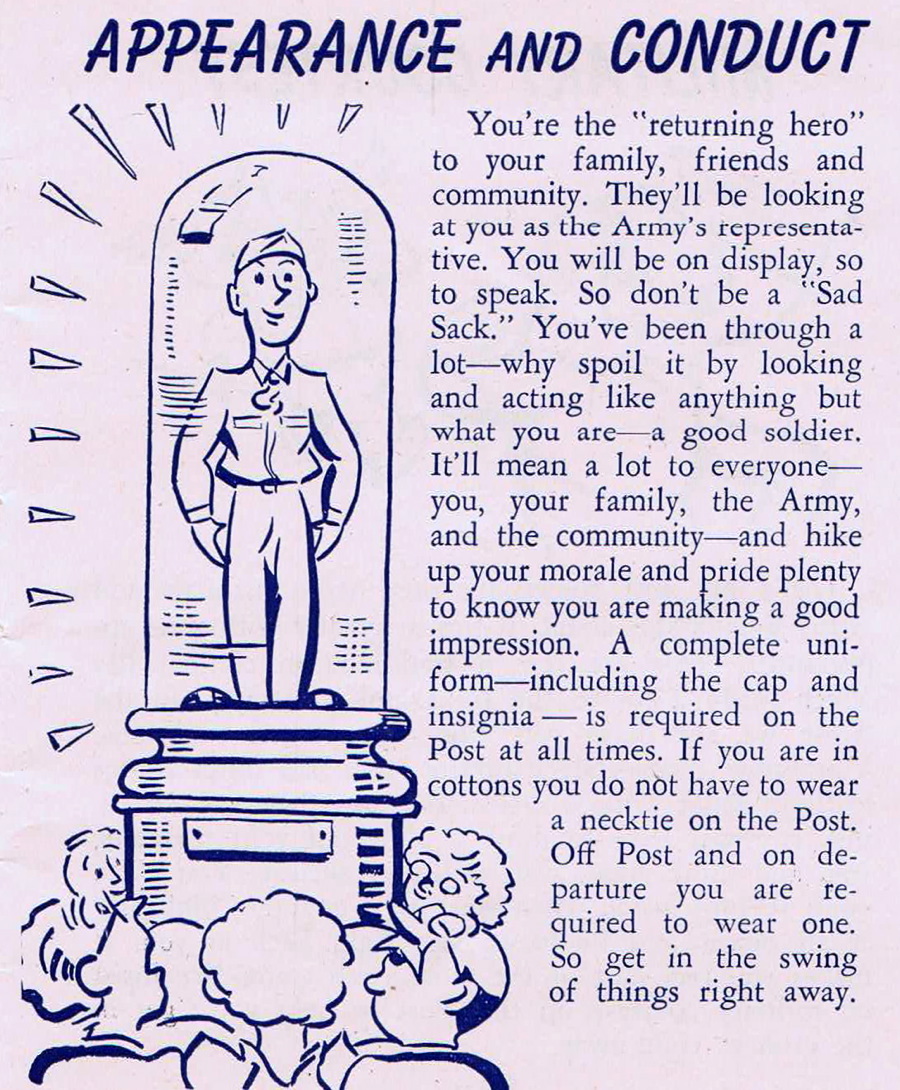
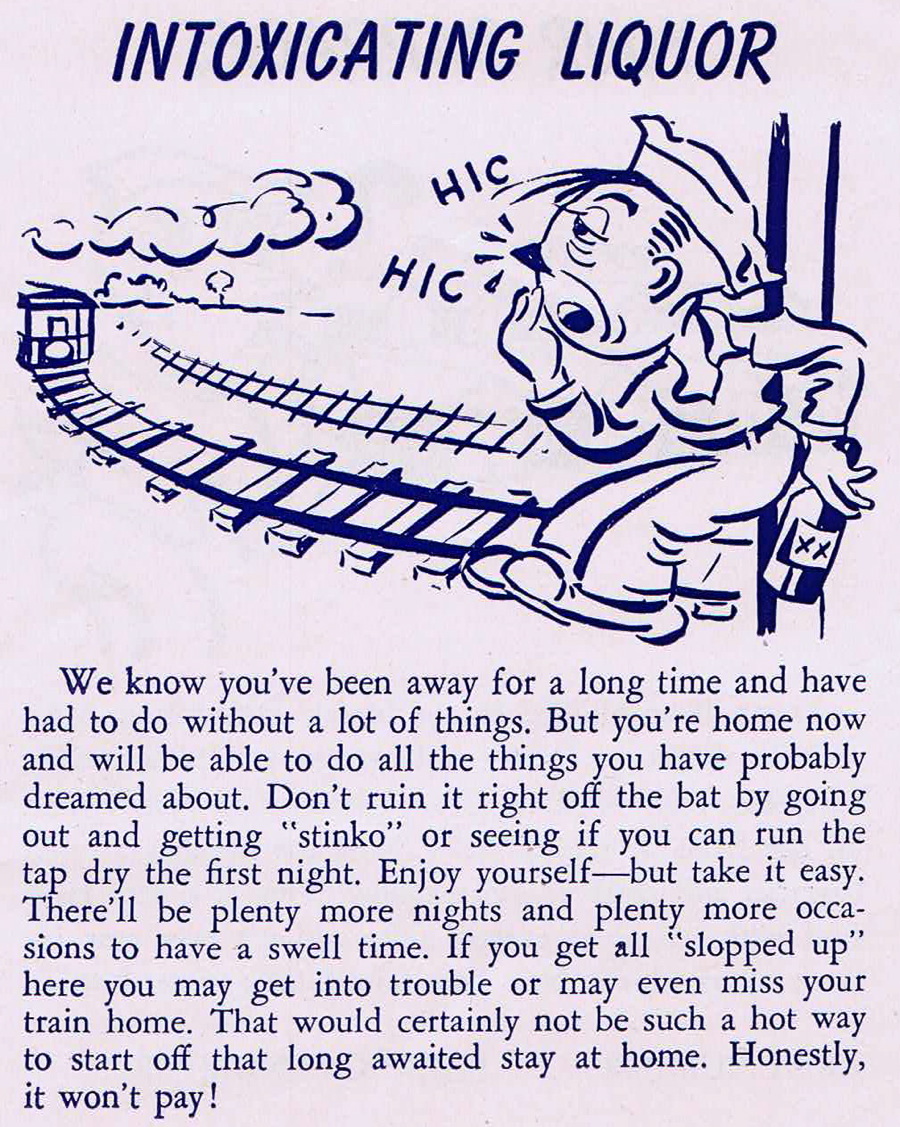
From there it was on to Camp Kilmer in New Jersey, where returning GIs were processed and sent home. These pages from the Camp Kilmer manual are worth reading.
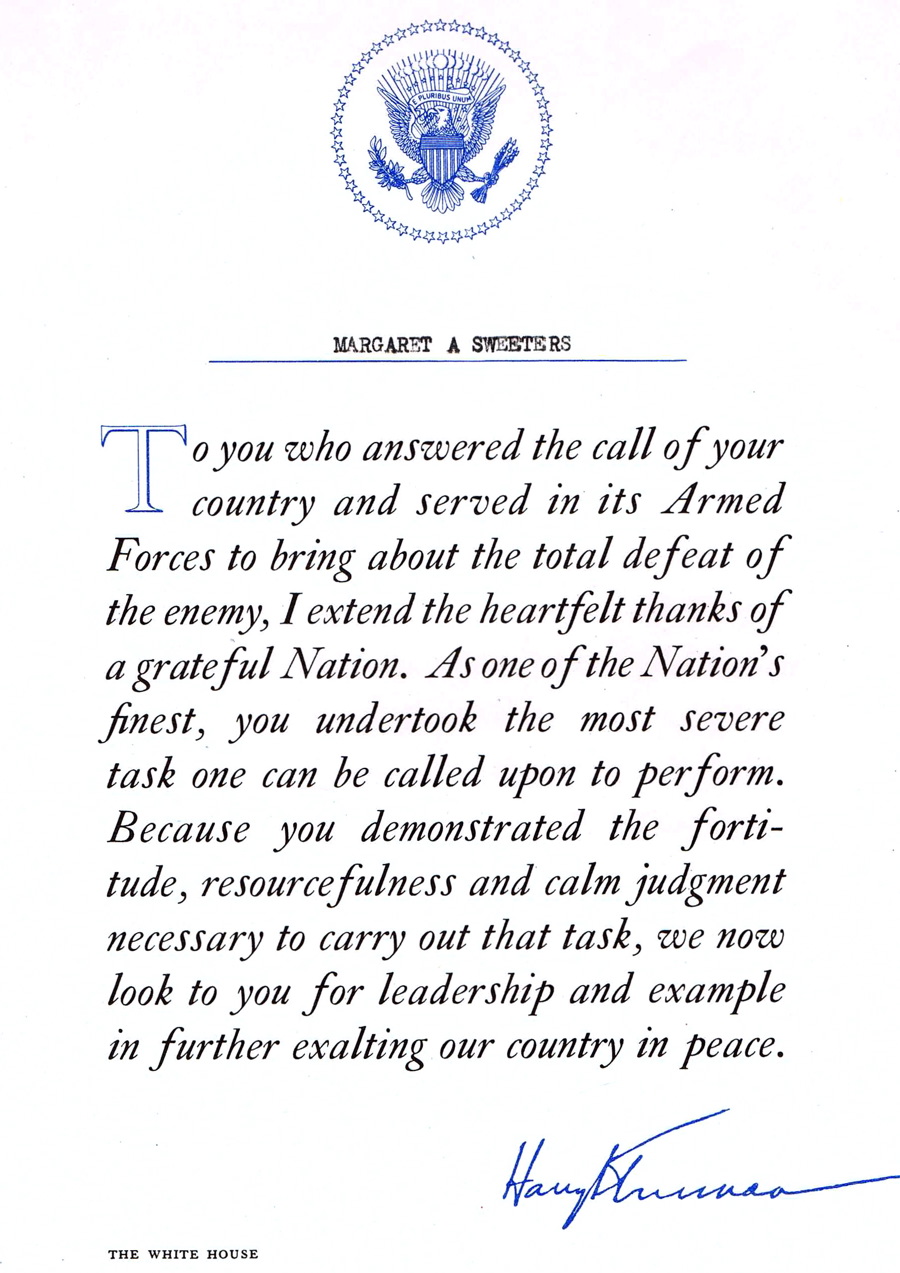
And here is a nice certificate from Harry Truman thanking her for the service she gave to her country.
After the war my mother worked at a variety of schools around Southern California. That’s why she had so many safety pamphlets. This one is from 1950.
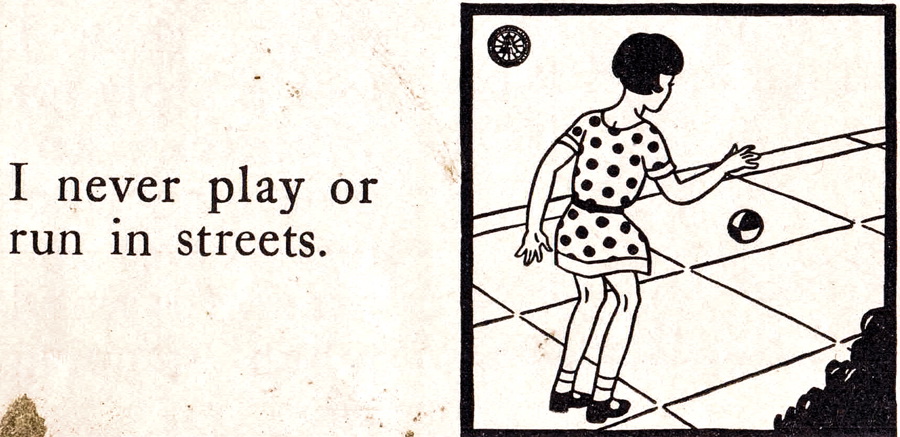

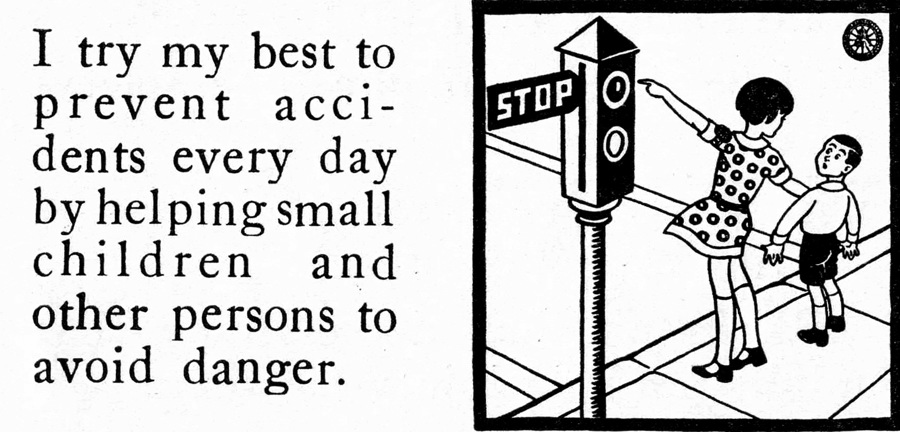
None of the neighborhood kids liked playing at our house because my mom was ever vigilant against running, jumping, and having fun of almost any kind. She’d seen the results from that sort of behavior at work and it wasn’t always pretty.


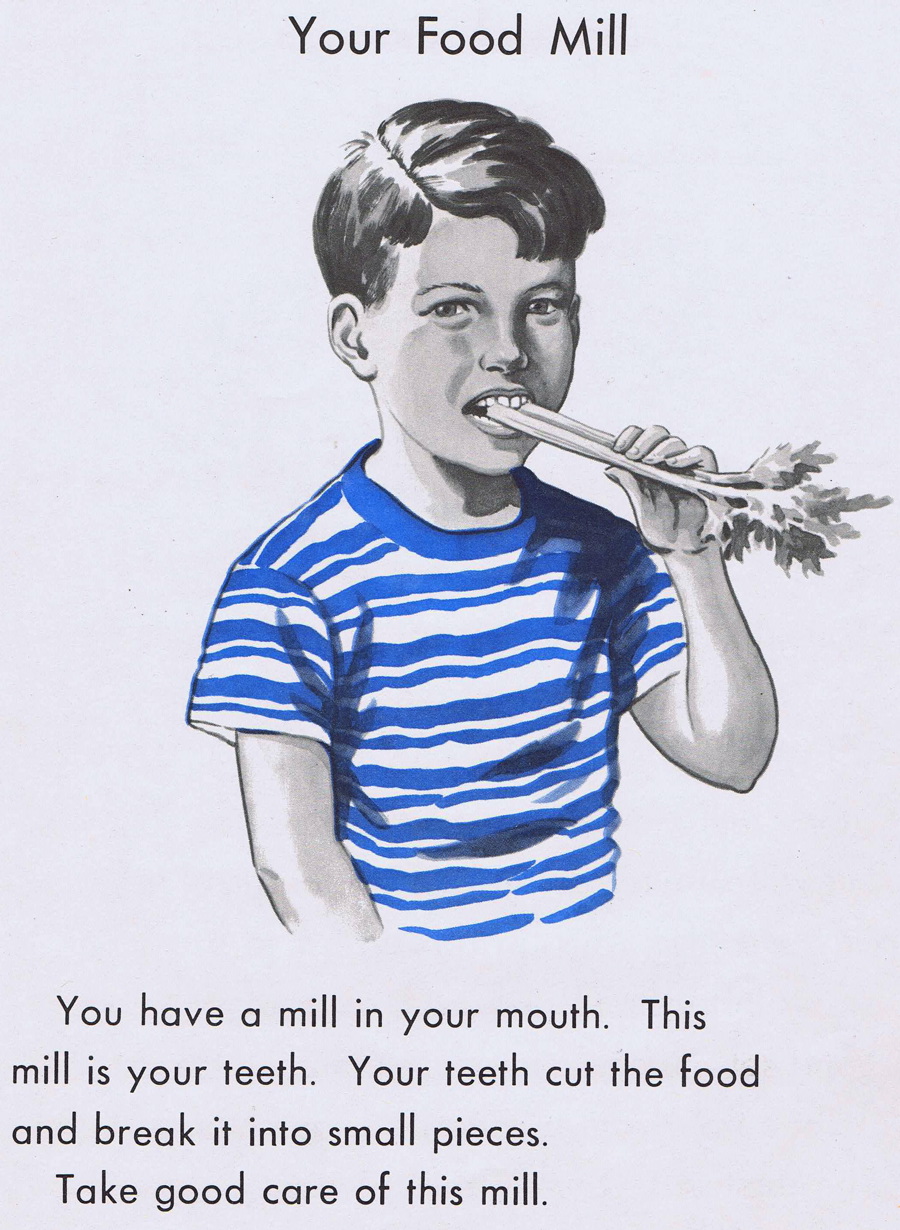
There were several health manuals still in her possession, and the advice seems just as relevant today. These are from 1954.
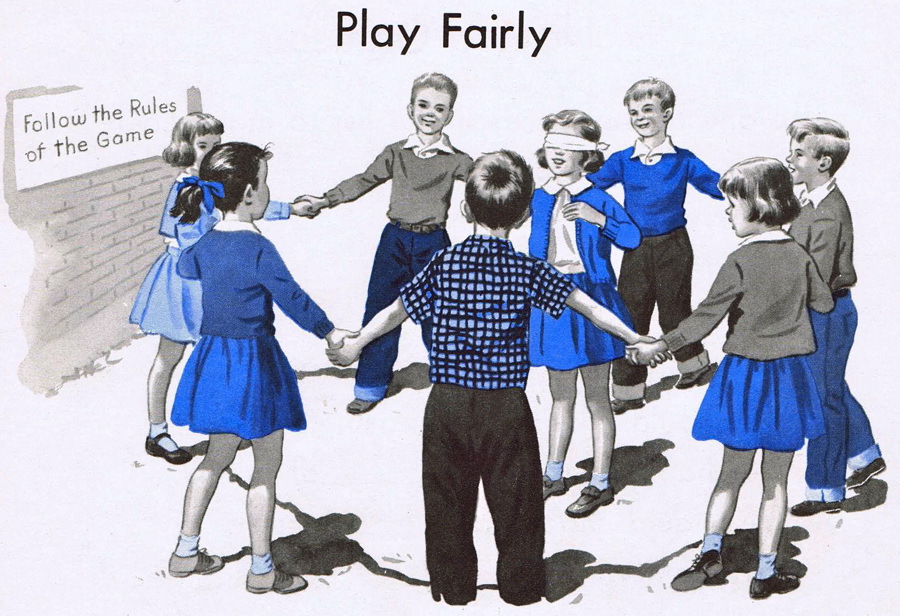
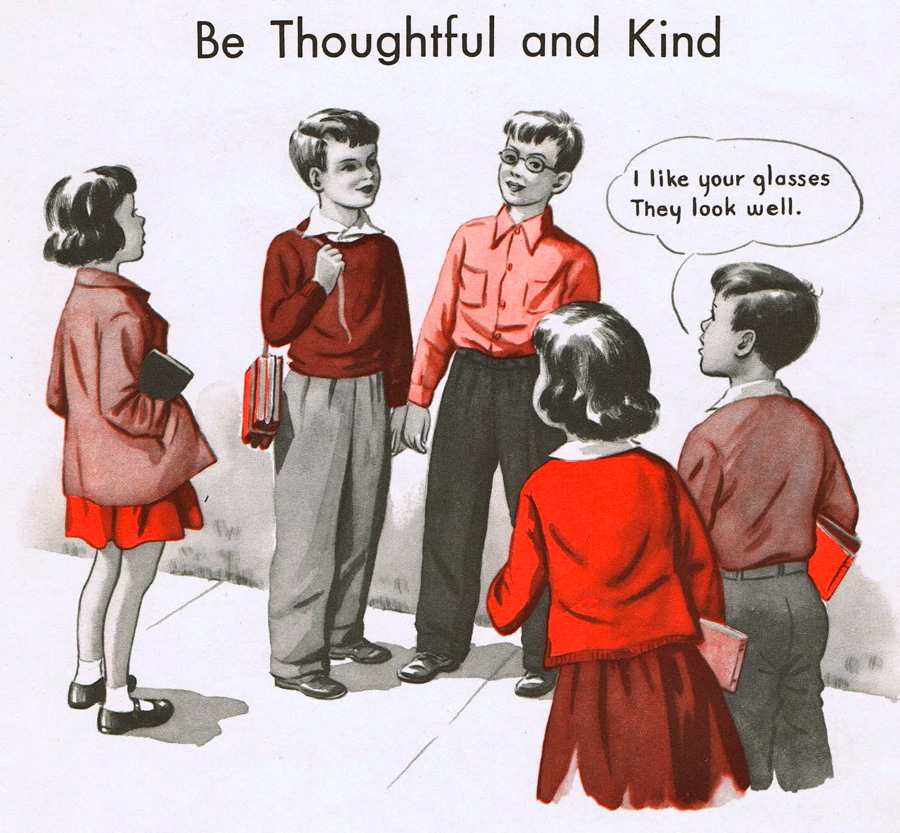
Thank God we’ve come a bit farther than the days when the field of “mental health” was about bucking up and putting a smile on your face. But that was typical of my mom and I imagine she handed out plenty copies of this poem:
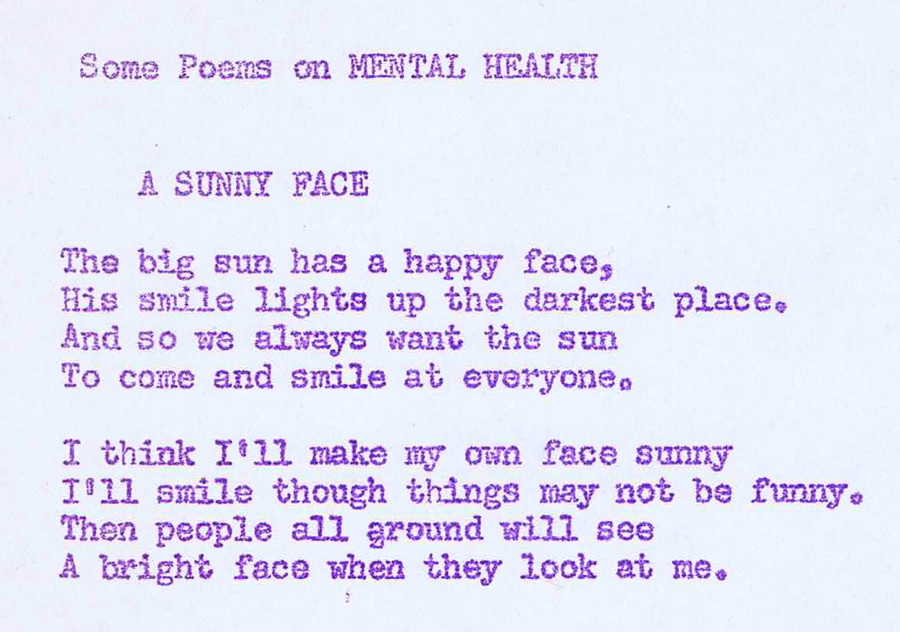
That’s what you did back then—you made the best of things. There were few school psychologists and it troubles me to think that some confused kids had no choice but to turn to my mother for sympathy or advice. Proper nutrition (such as it was in the 1950s) was the answer to most problems in those days.
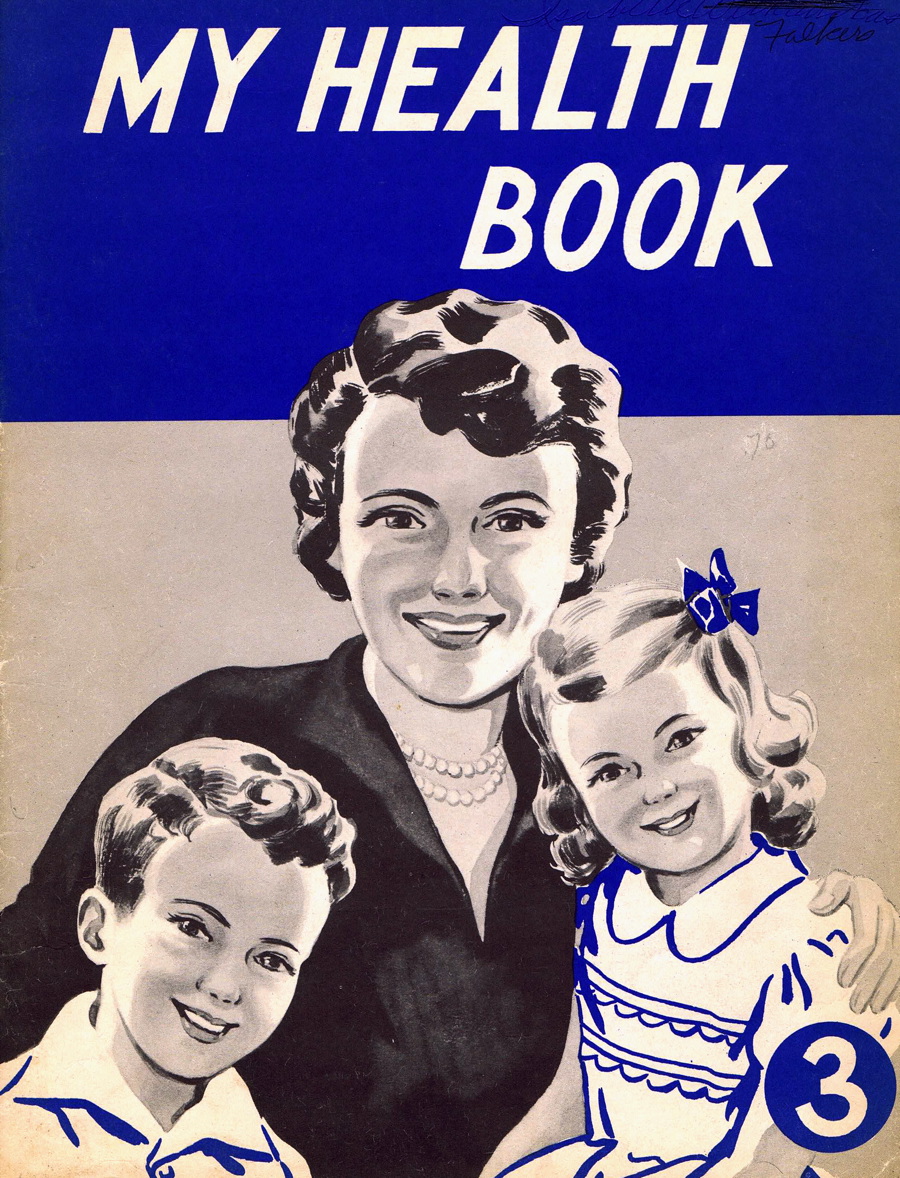

Go to page 2 to see images from a 1952 anatomy book for children.
This article was last modified on May 17, 2023
This article was first published on July 9, 2010
Commenting is easier and faster when you're logged in!

Recommended for you



Convert to Outlines in InDesign and Keep Your Editable Text
Khara Plicanic creates text outlines and keeps an editable copy with one click!