


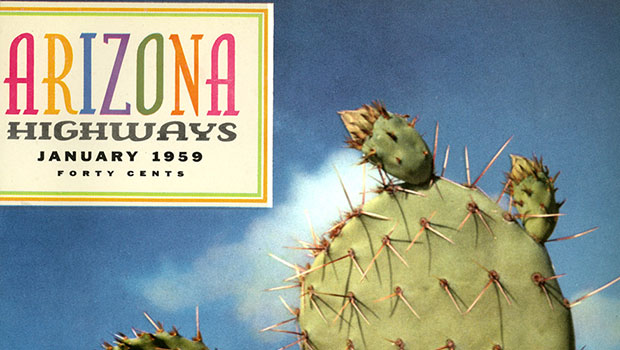
There are a group of magazines that only seem to appear at your grandmother’s house or in really old doctors’ office waiting rooms. These typically include Readers Digest, National Geographic, and in the old days, the Saturday Evening Post and Colliers. And if you lived in Arizona, or your grandmother had ever been to Arizona, the other title most likely to show up in these situations was (and still is) Arizona Highways.
Arizona Highways magazine was founded in 1925 with the insightful tagline that “Civilization Follows the Improved Highway.” In those days, quite a few states were interested in luring automobile vacation travelers, and many of these states published maps, brochures, and regular periodicals to showcase not only the sites to see, but the fact that highways to them were well-graded, patrolled by law enforcement, and lined with services.
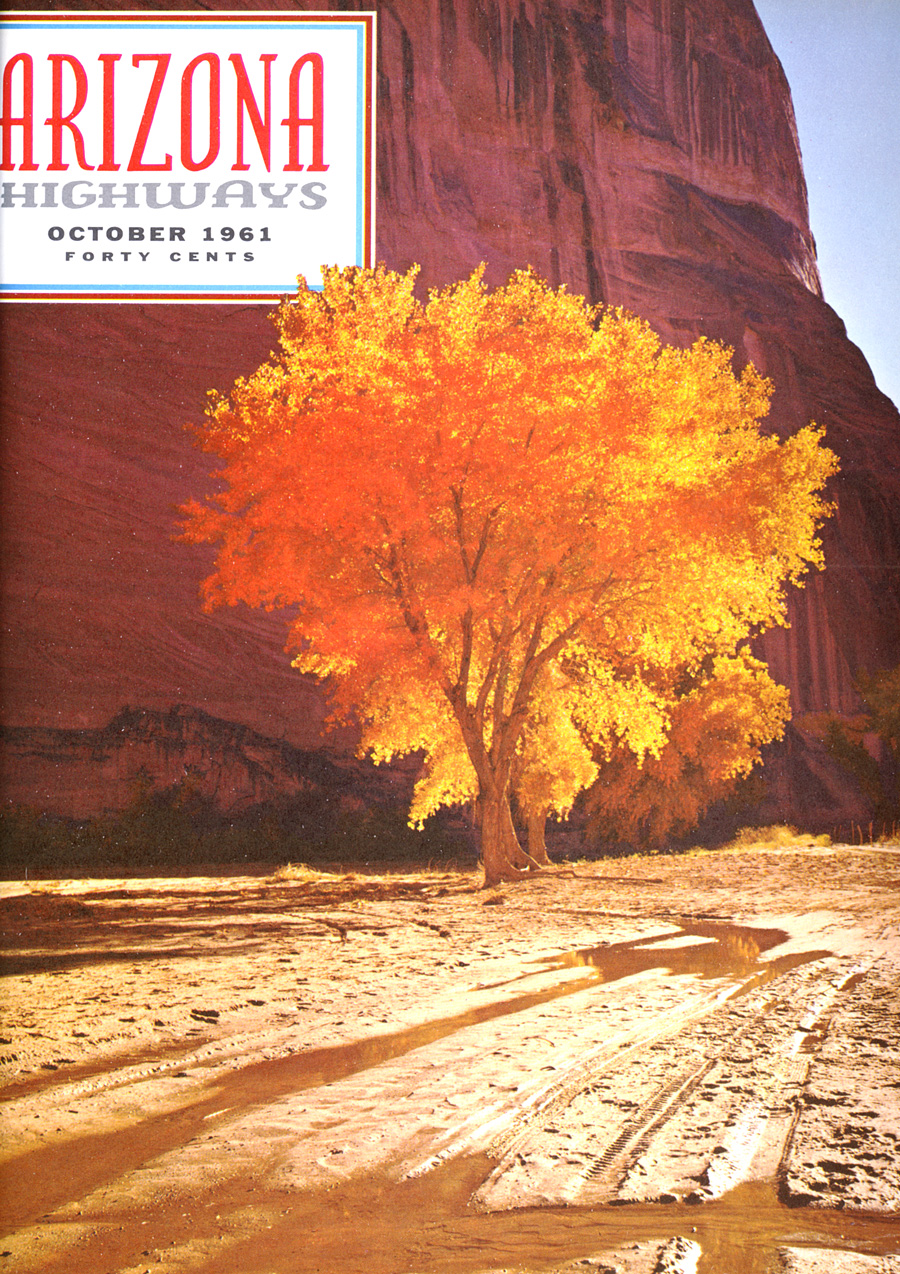
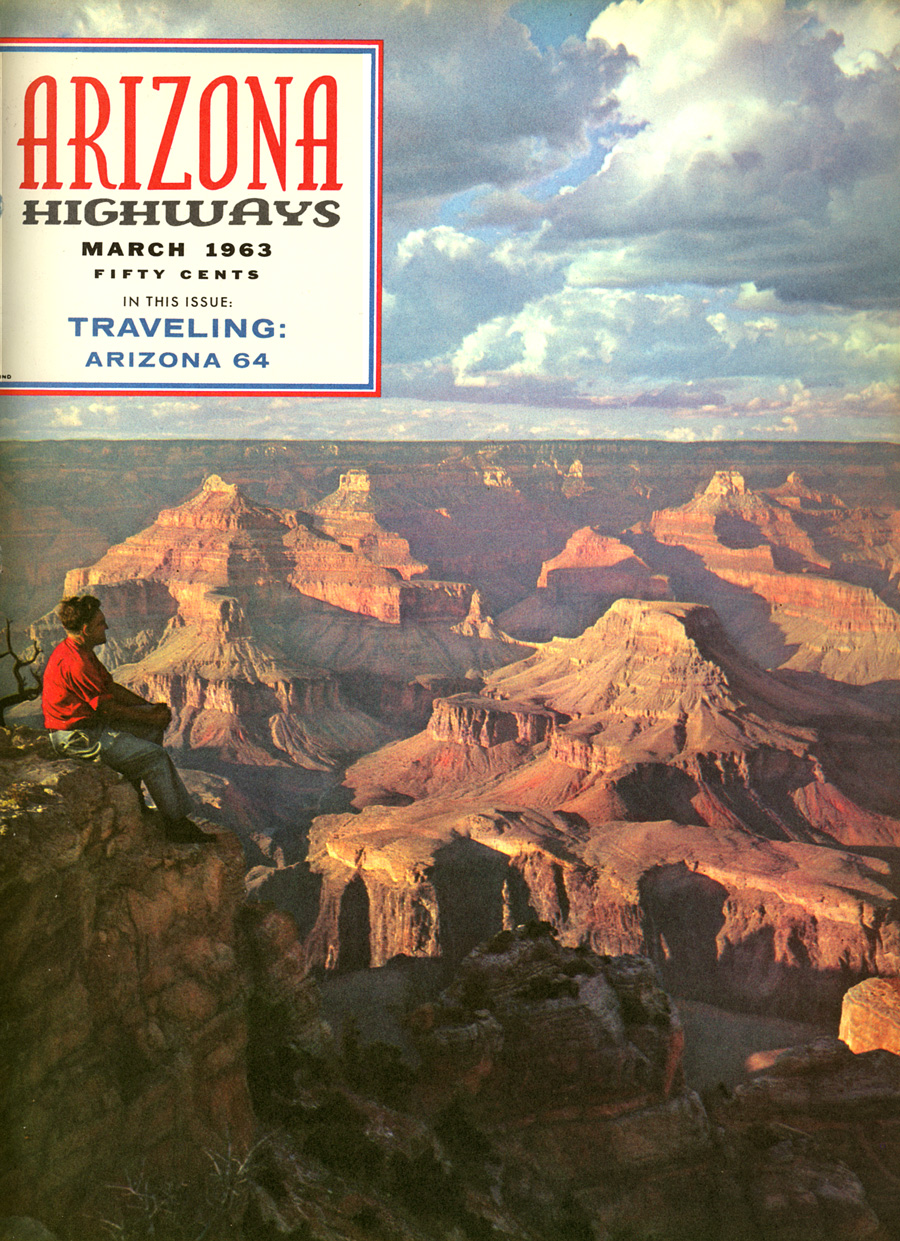
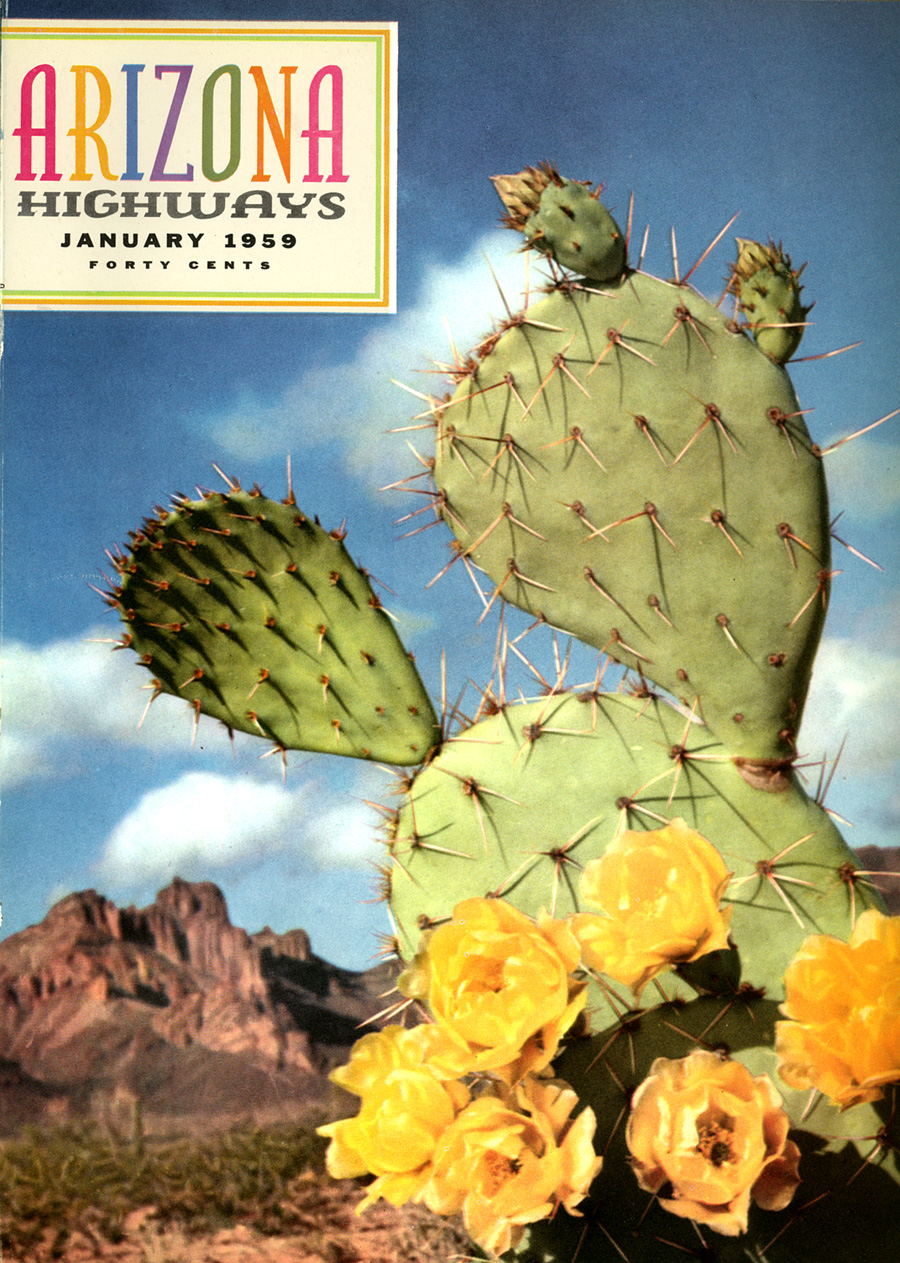
All of the images in this column are scanned from actual issues of Arizona Highways, and if you click on them, you’ll see a larger version of each.
And though a few states had tourism bureaus or other departments to promote the state, many, like Arizona, assigned the task of promoting the highway system directly to the state’s department of transportation or highway department. That first 1925 issue of Arizona Highways was published by the engineers in the Arizona Highway Department. One thousand copies were printed and sold for 10 cents.
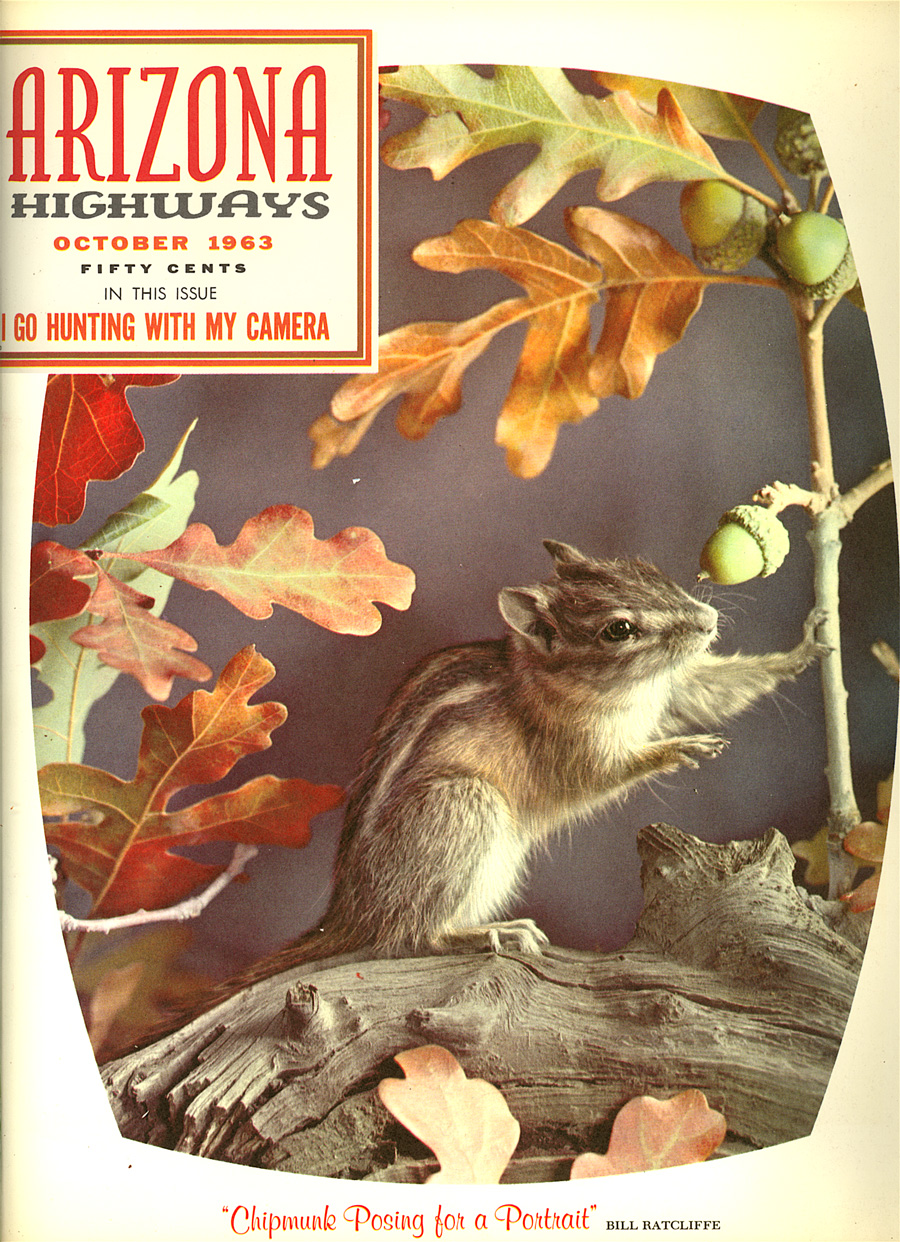
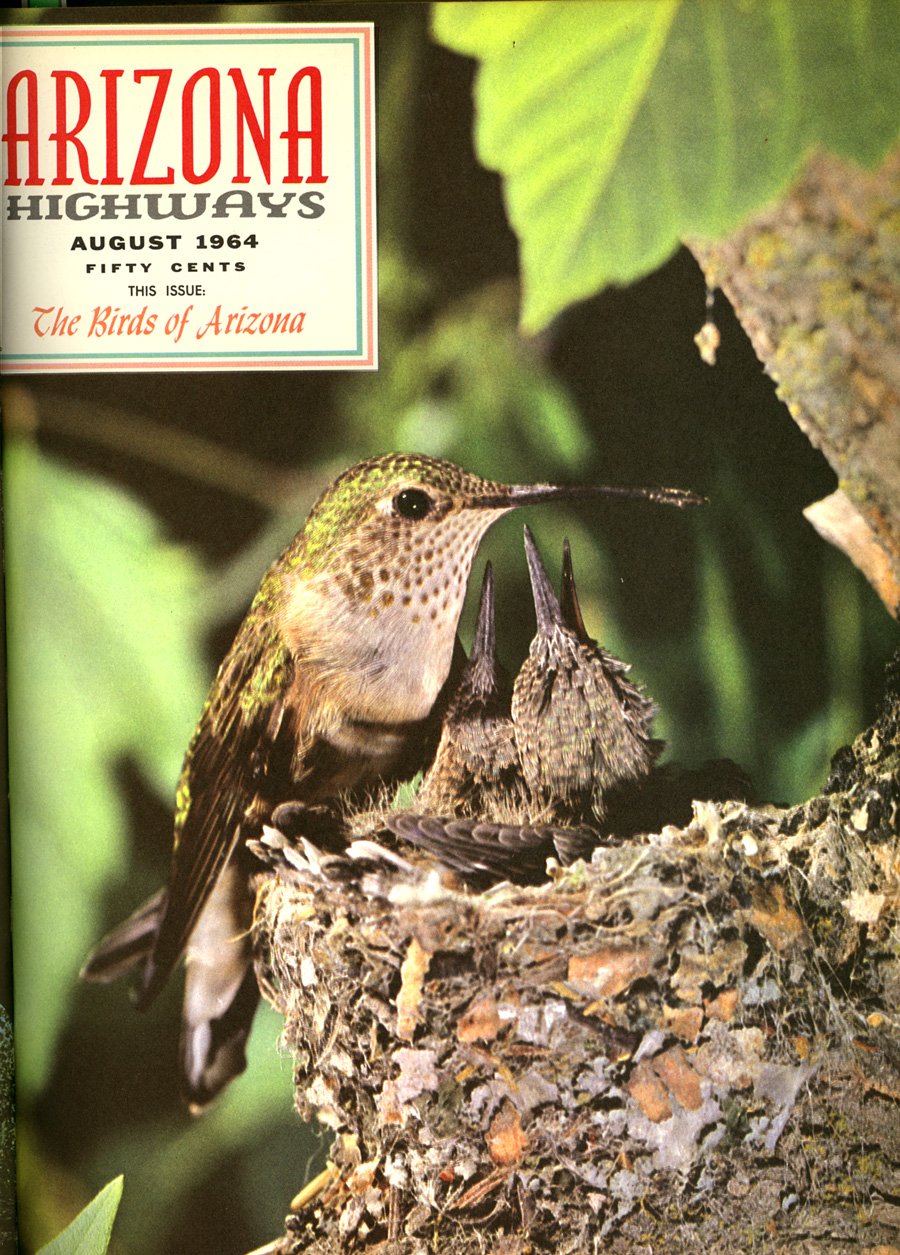
On the back cover of the first issue (and every other issue that first year), the editors ran a copy of the “The Highway Engineer’s Creed,” which said, in part: “I believe that my mission, as a highway engineer, is to assist in shaping and improving the highways of my country, in harmony with those who provide the vehicles which are their necessary complement, to the end that, joined with other means of transportation, they may meet the need of our people for easy, quick, and untrammeled transportation.”
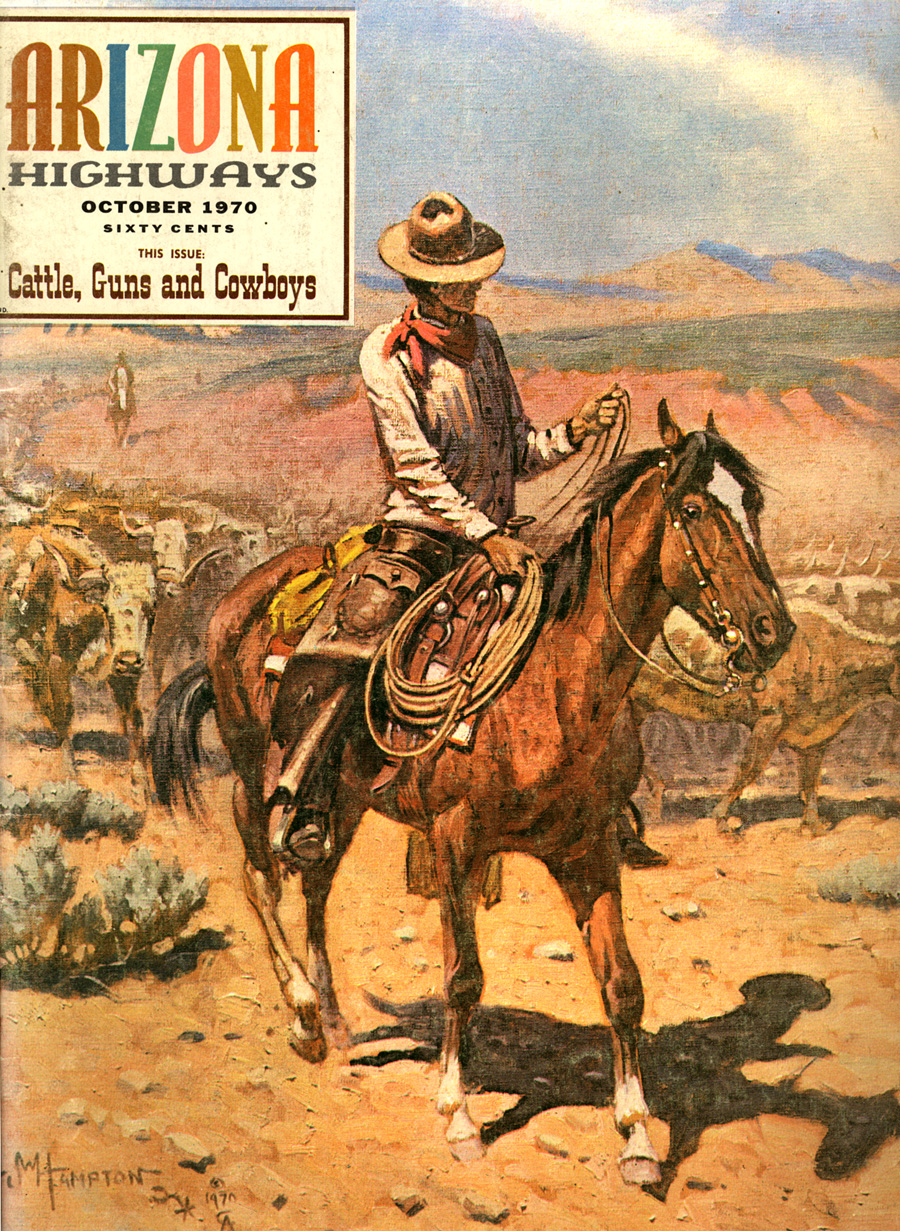
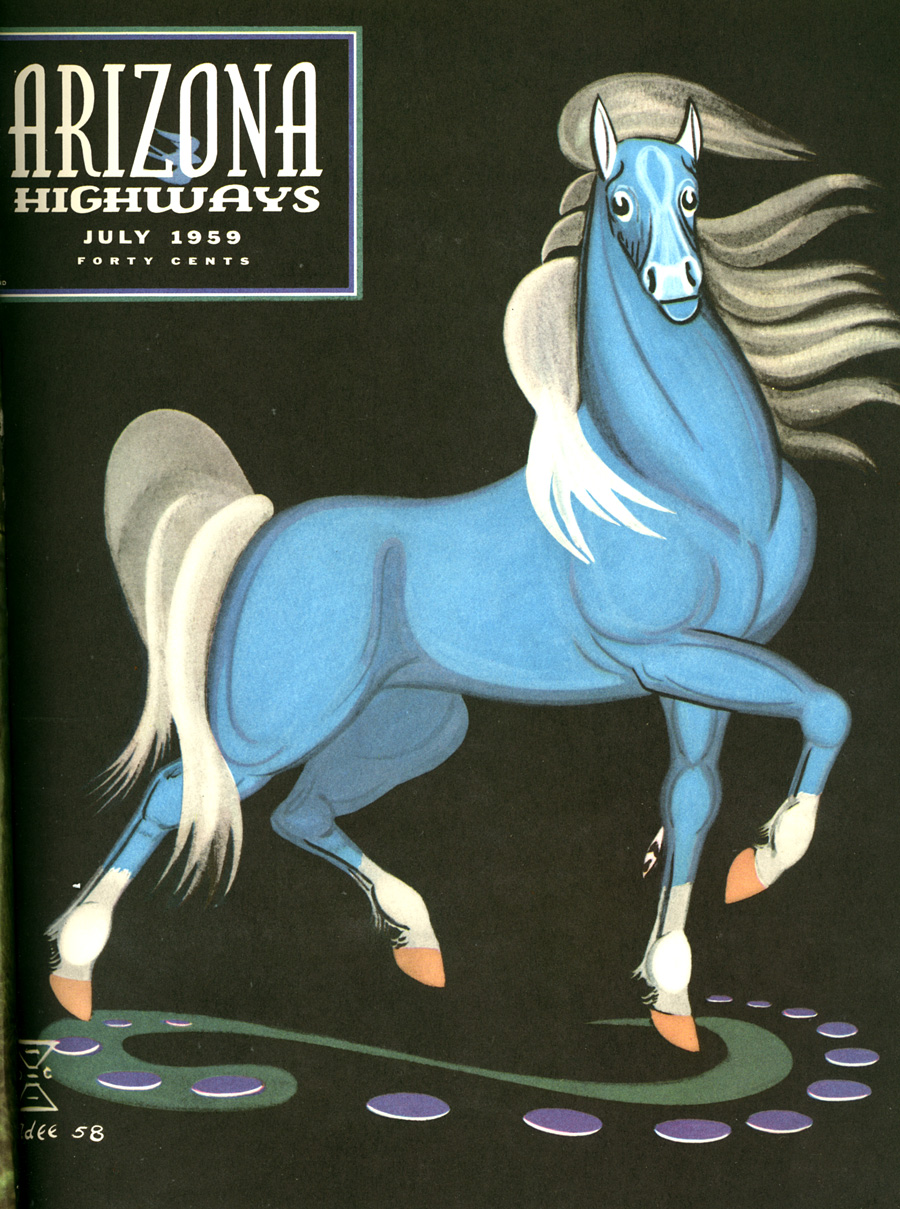
Most of the editorial in the early days was about the various highway projects under construction throughout the state. But from the very beginning, the editors at Arizona Highways put a big emphasis on photography, thanks in part to the stunning landscapes abundant throughout the state. They also added cartoons, original Western art, poetry, and other editorial features that quickly distinguished Arizona’s publishing efforts from other states.
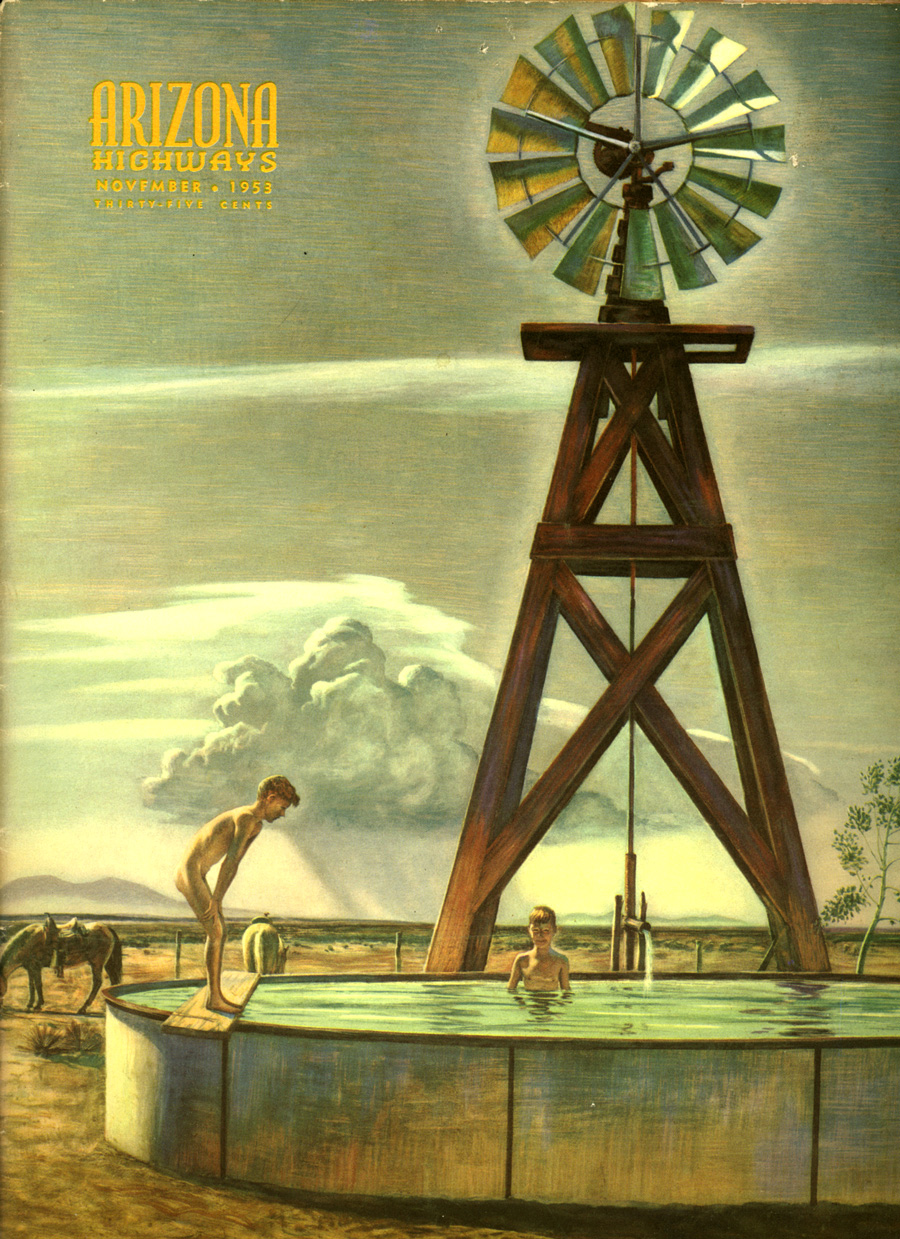
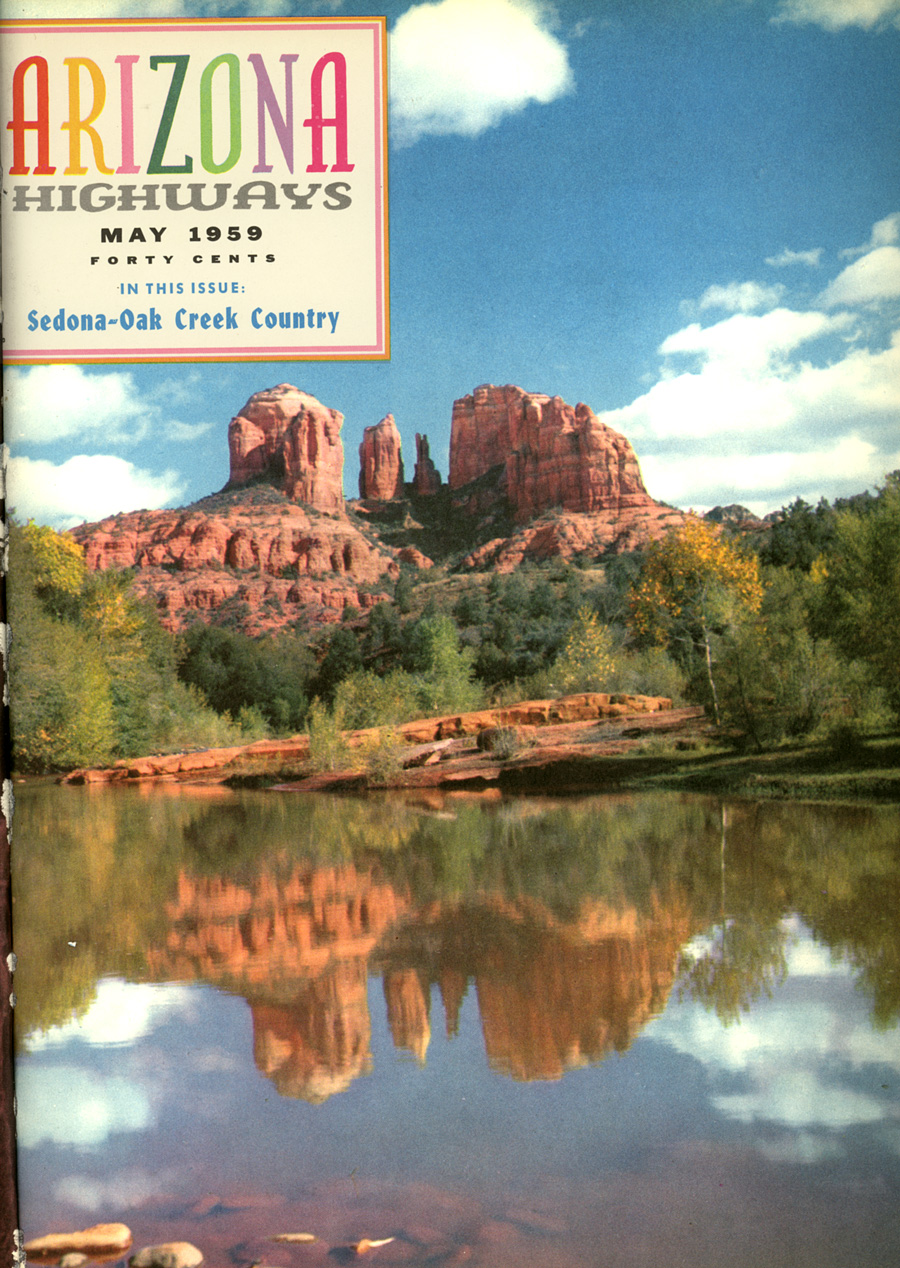
Over the years, the magazine featured mostly nature and local culture, but it handled technology and urban growth in the same way, with lavish, large, and colorful images. The pictures of dams, buildings, bridges and other man-made items are among the most interesting to me.
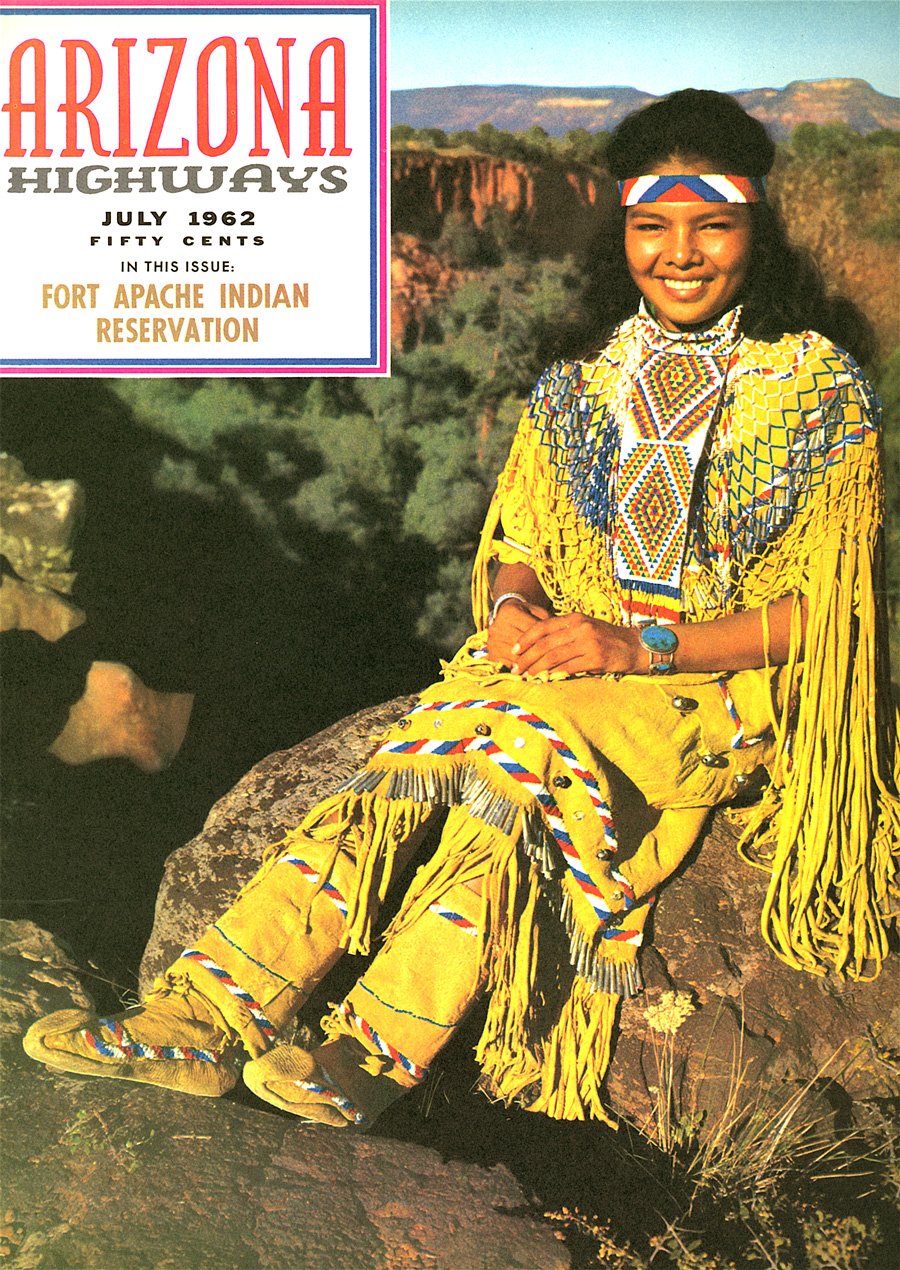
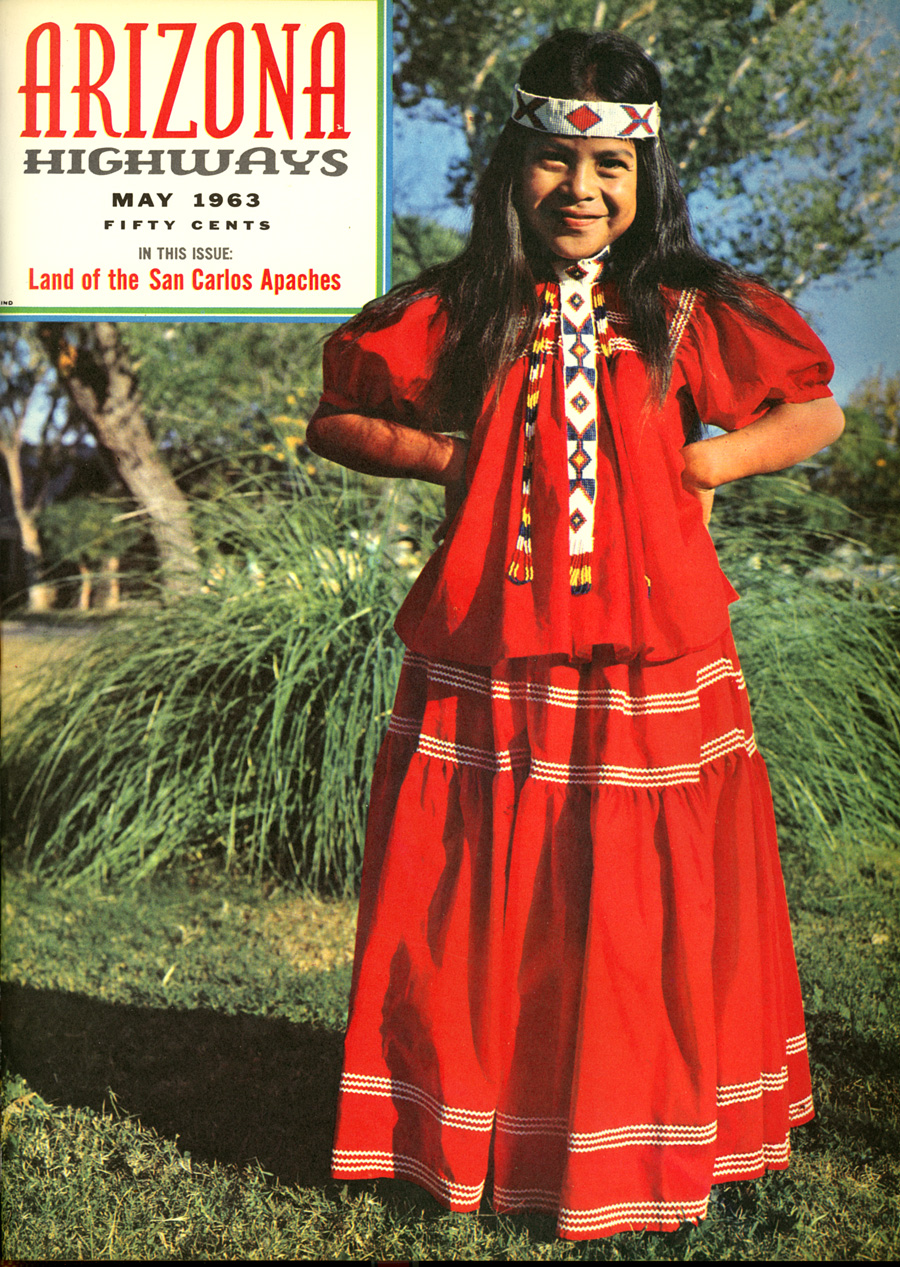
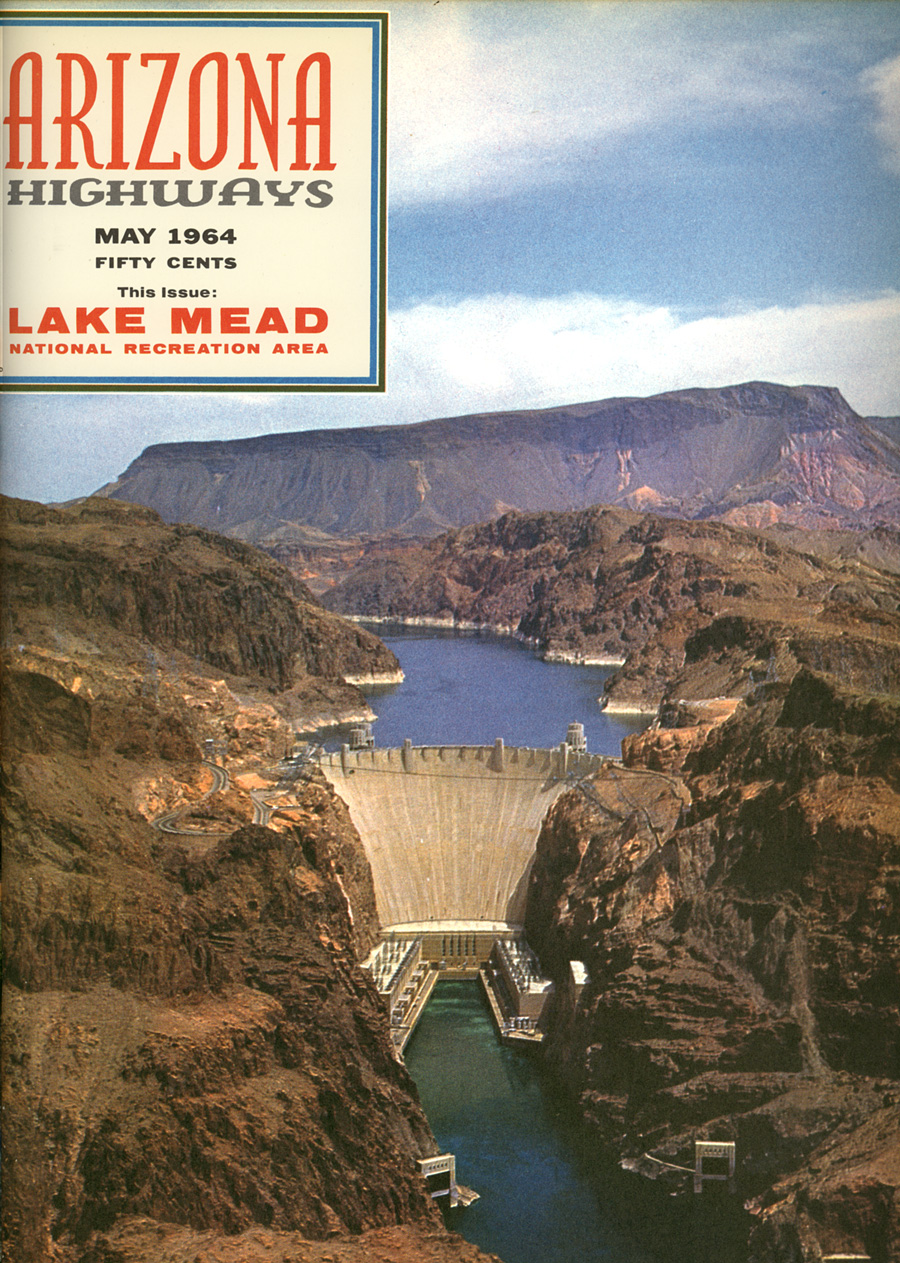
This column looks only at some of my favorite Arizona Highways cover images. Next week I’ll take you inside for a peek at some of the huge variety of images, art, and other material that has graced the pages of the magazine.
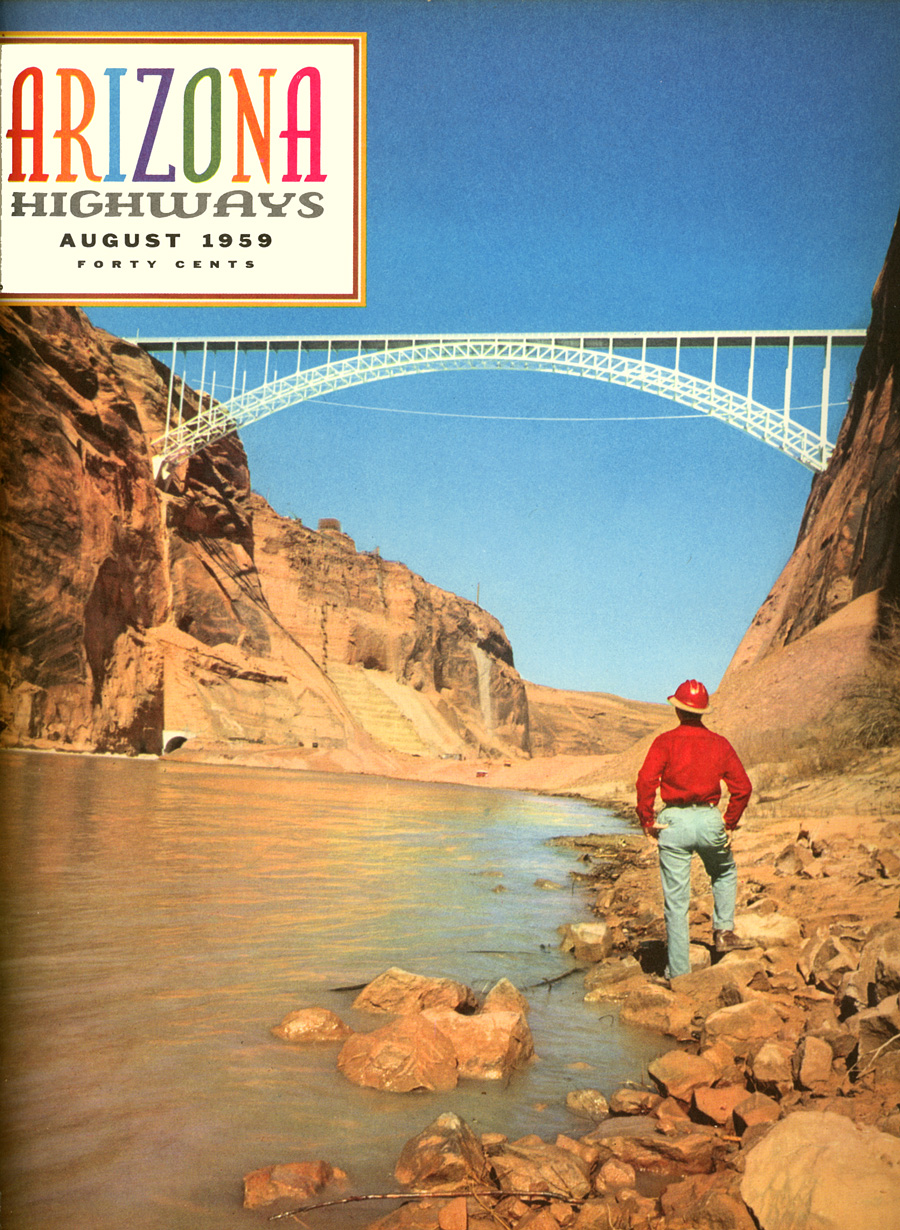
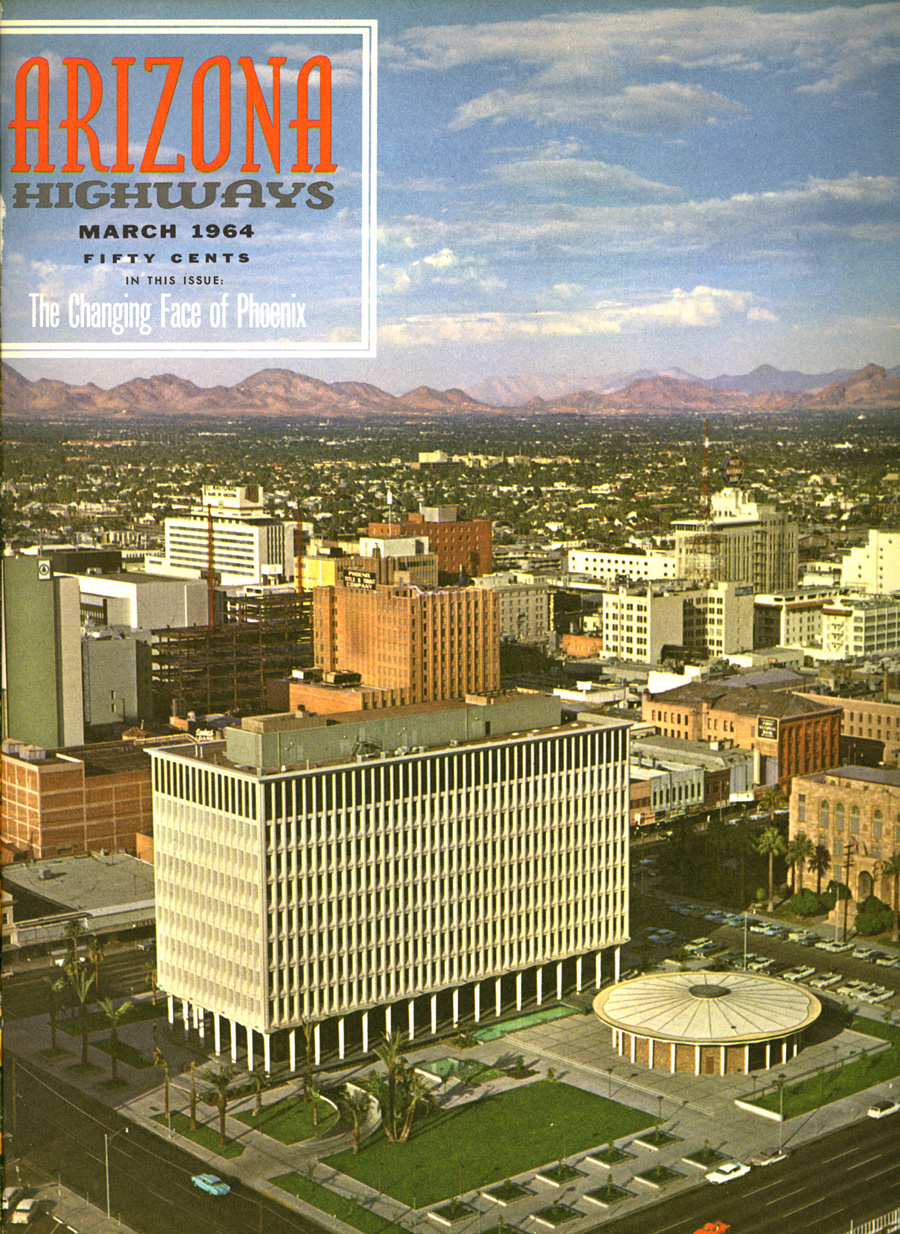
By the early 1940s, the magazine added color photographs and Arizona Highways became a pioneer in color magazine printing. In December 1946, Arizona highways became the first magazine in America to publish an all-color issue.
Though in some of the early years the magazine was supported in part from advertising revenue, in 1938 the Arizona Highway Commission banned paid advertising, and since then Arizona Highways has depended on state grants and subscription revenue for its survival. Today more than1 million people read Arizona Highways.
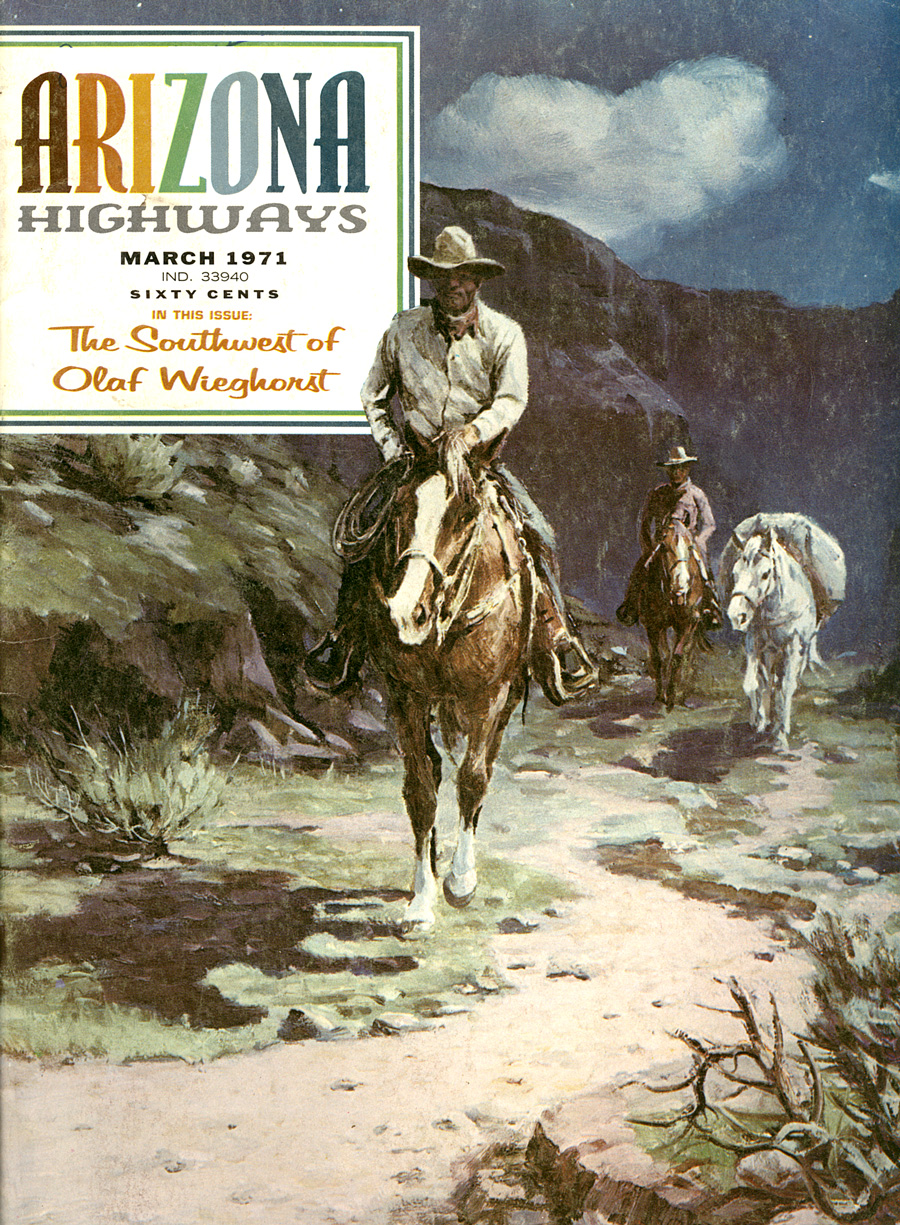
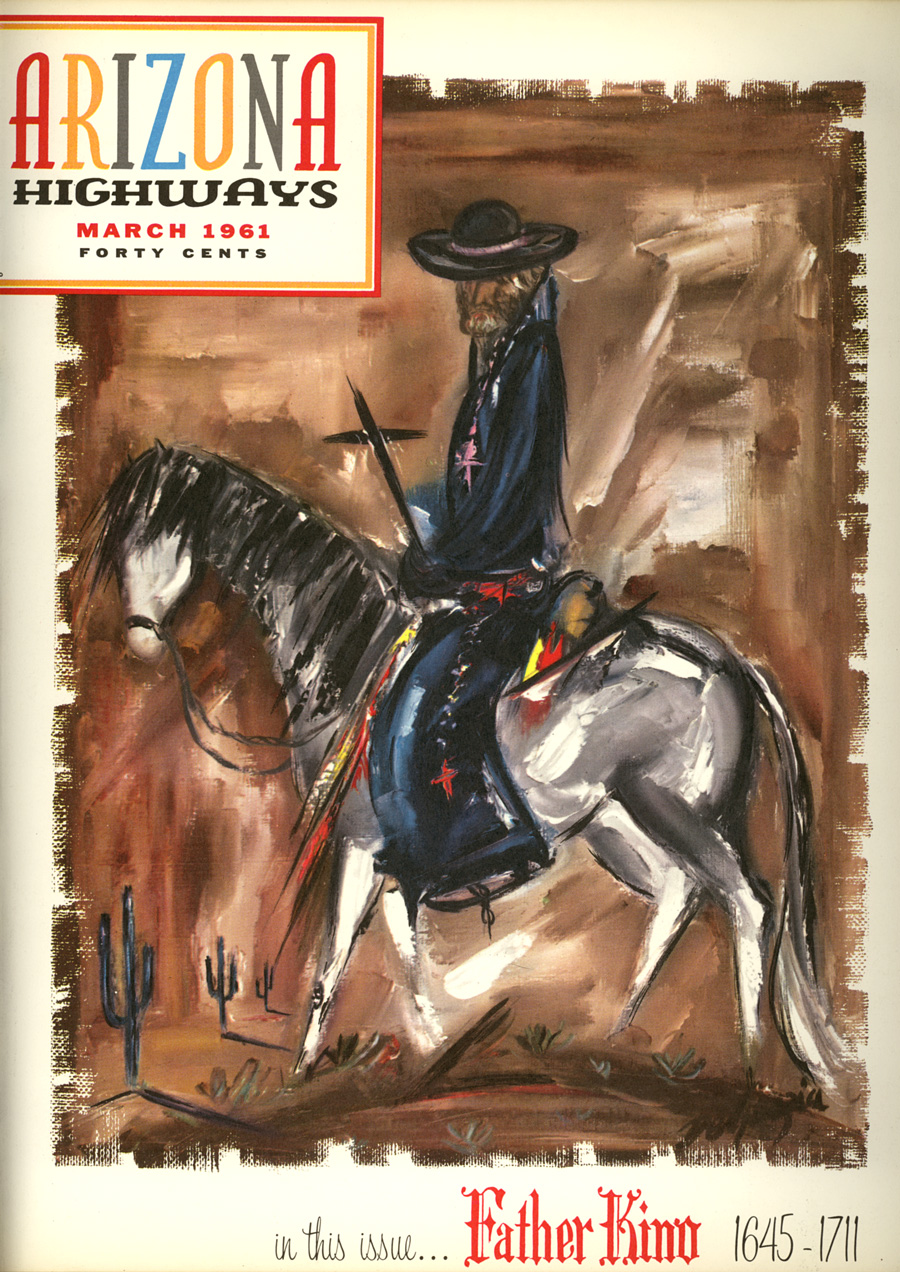
While the states magazine was internationally known for high-quality photography and printing, until 1963 the state lacked printers large enough to print the magazine. But with a $1.5 million investment in a new plant, Phoenix printer the Tyler Company took over production, along with a trademarked printing process called Micro-Color. I’ll discuss the printing process in more detail next week, but as you can see from these images, it was rich and highly saturated colors that distinguished the magazine.
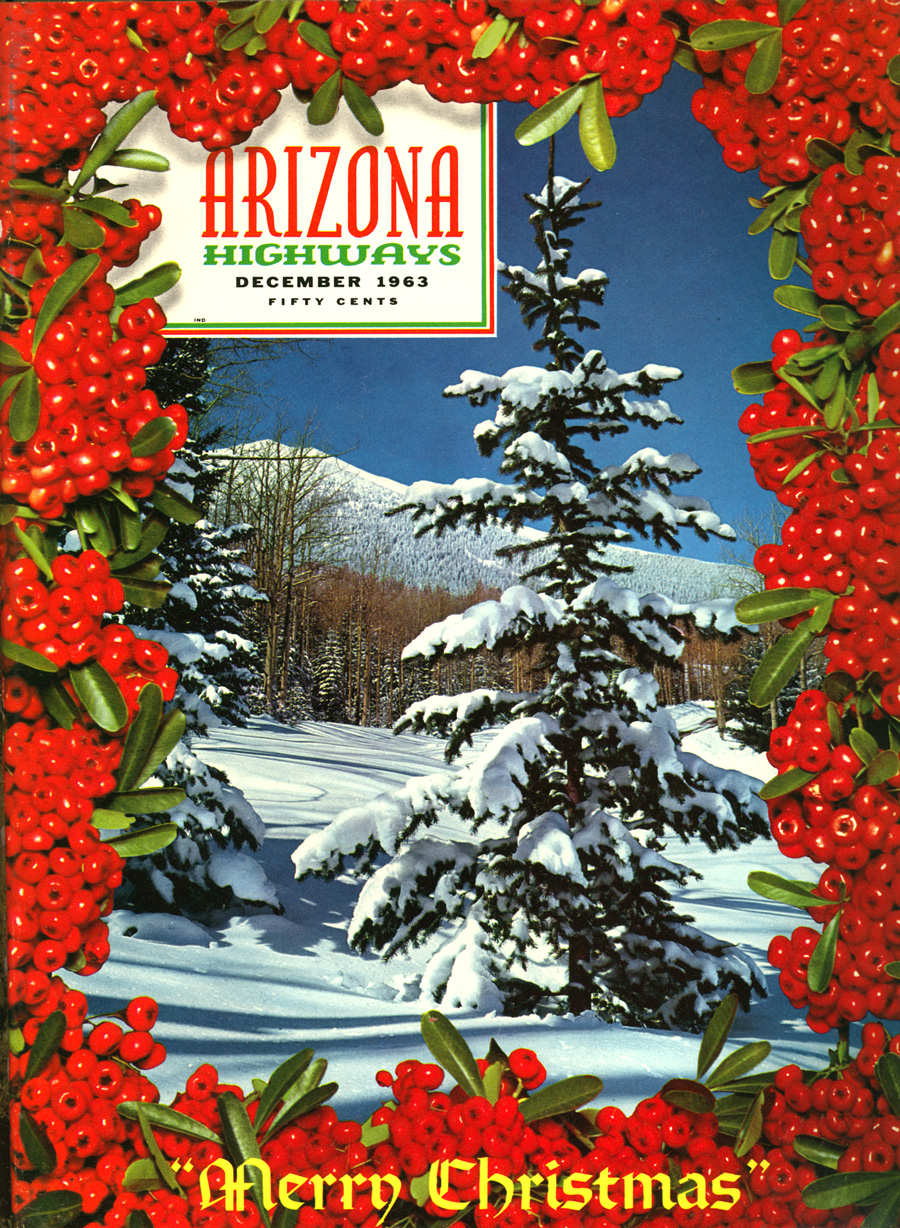


In retrospect, the color images during the heyday of Arizona Highways seem over-the-top. Several people I’ve shown issues to compare the images to what you see in the dioramas in Disneyland’s Primeval World train ride. There is something very unrealistic about them, and yet they were produced with state-of-the-art technology and very large-format color film.
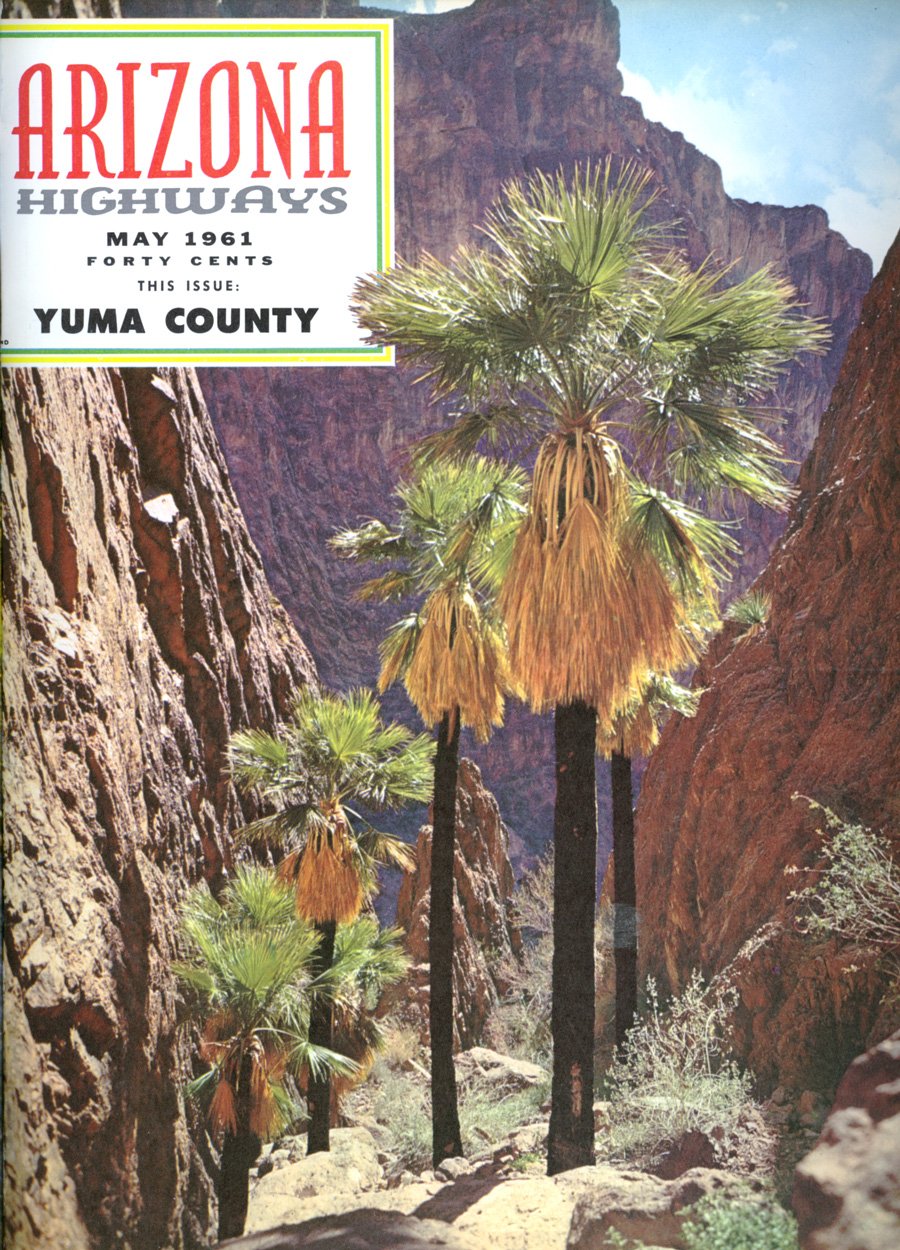
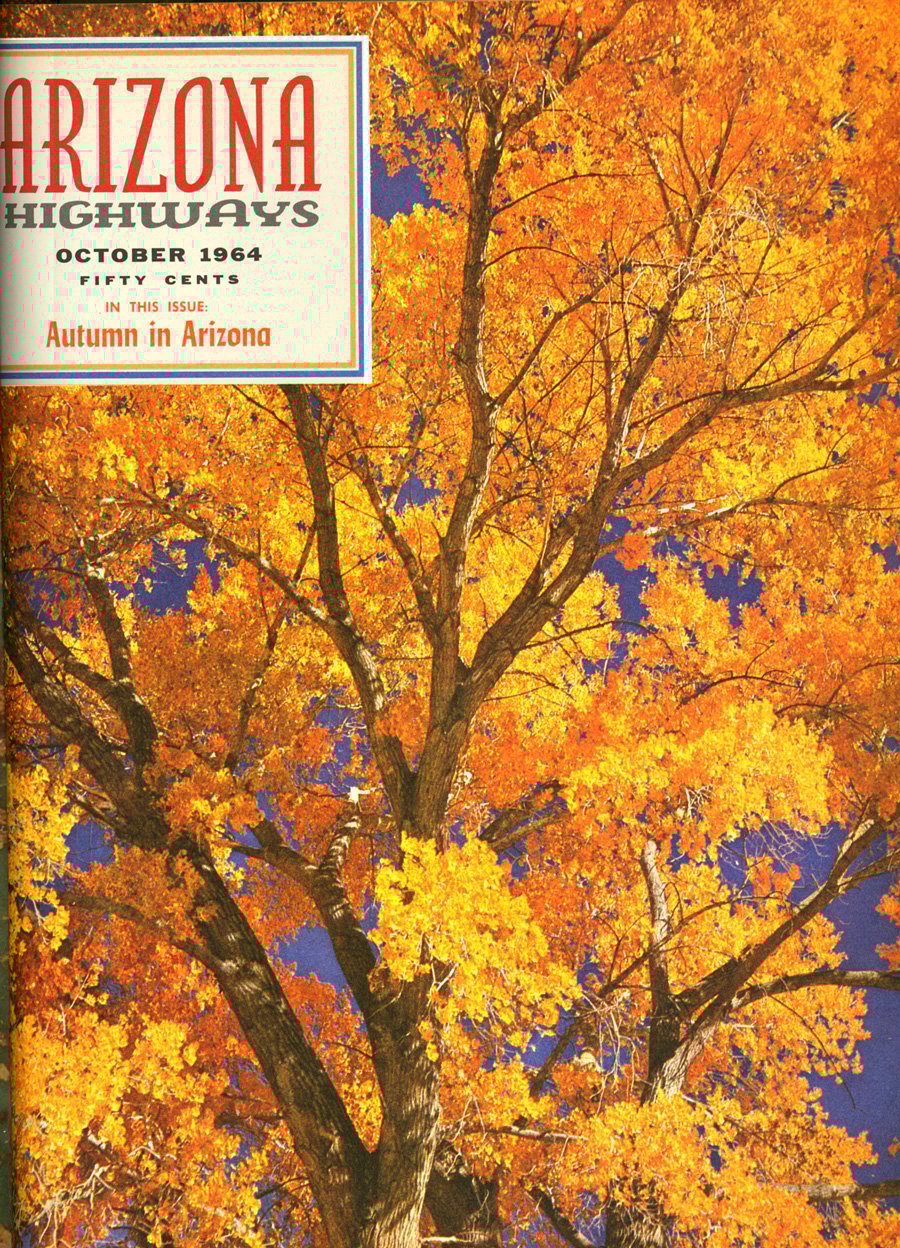
By the 1970s, the magazine started to look more like other periodicals, and issues today, while still full of great photographs, don’t have the unique appearance the publication once laid claim to. It may have been the transparencies, the paper, the ink, the printing process, or a combination of all of those things. But from about 1950 to 1970, the pages of Arizona Highways represent something truly unique in American magazine publishing. Even with the supposedly unlimited technology and tools we have today, I seriously doubt you could reproduce the look of the issues pictured here.

I’m sure the highways in Arizona are bigger and better now, and the landscape, while changed in some places, is still spectacular. Yet the driving vacation is not as popular as it once was, and much of the Native American and cowboy culture pictured in Arizona Highways is long gone. And as for grandmothers, pretty soon titles like Wired and Martha Stewart Living will grace their coffee tables
Read part two of this Arizona odyssey.
This article was last modified on March 26, 2021
This article was first published on June 16, 2008
Commenting is easier and faster when you're logged in!

Recommended for you

InDesign Magazine Issue 66: Workarounds
We’re happy to announce that InDesign Magazine Issue 66 (October, 2014) is...
Em Software Upgrades to InDesign 2024, Offers Black Friday/Cyber Monday Discount, and Free Workflow Consultations
Em Software announces that its entire plugin suite is available for InDesign 202...
Adobe Removes Older Versions of Apps from Creative Cloud
In a move that took users by surprise, Adobe has removed most older versions of...