



How do your designs help (or hinder) people with different ways of thinking, focusing, and feeling? For users who are neurologically different, thoughtful design can make the difference between clarity and overwhelm. In this session, you’ll learn how to create designs that work for neurodivergent audiences, supporting users with ADHD, autism, dyslexia, and more, without sacrificing creativity. We’ll show you how to apply these insights to create more inclusive experiences. You’ll leave with an actionable checklist and fresh insights you can apply to websites, interfaces, documents, and multimedia, helping you design experiences that welcome every mind.
Key Takeaways:
- Understand what neurodivergence means (and what it doesn’t)
- Identify how cognitive load, executive functioning, and sensory input to shape user experience
- Apply practical design strategies to reduce overwhelm, improve clarity, and support focus
This article was last modified on July 9, 2025
This article was first published on May 13, 2025
Commenting is easier and faster when you're logged in!
Recommended for you
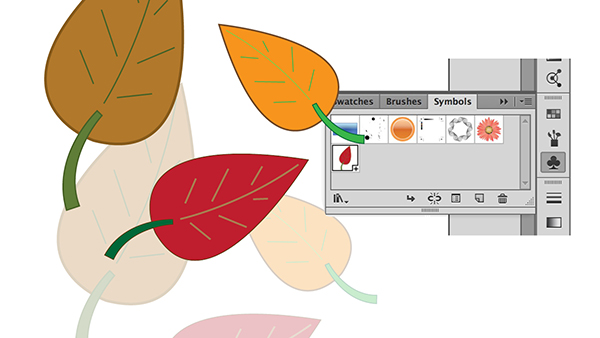
Using Illustrator’s New Dynamic Symbols
The latest release of Adobe Illustrator (2015.2) added a new feature called Dyna...

What is the cost of cheap design?
We could probably spend all day making a list of the many jobs whose economic vi...
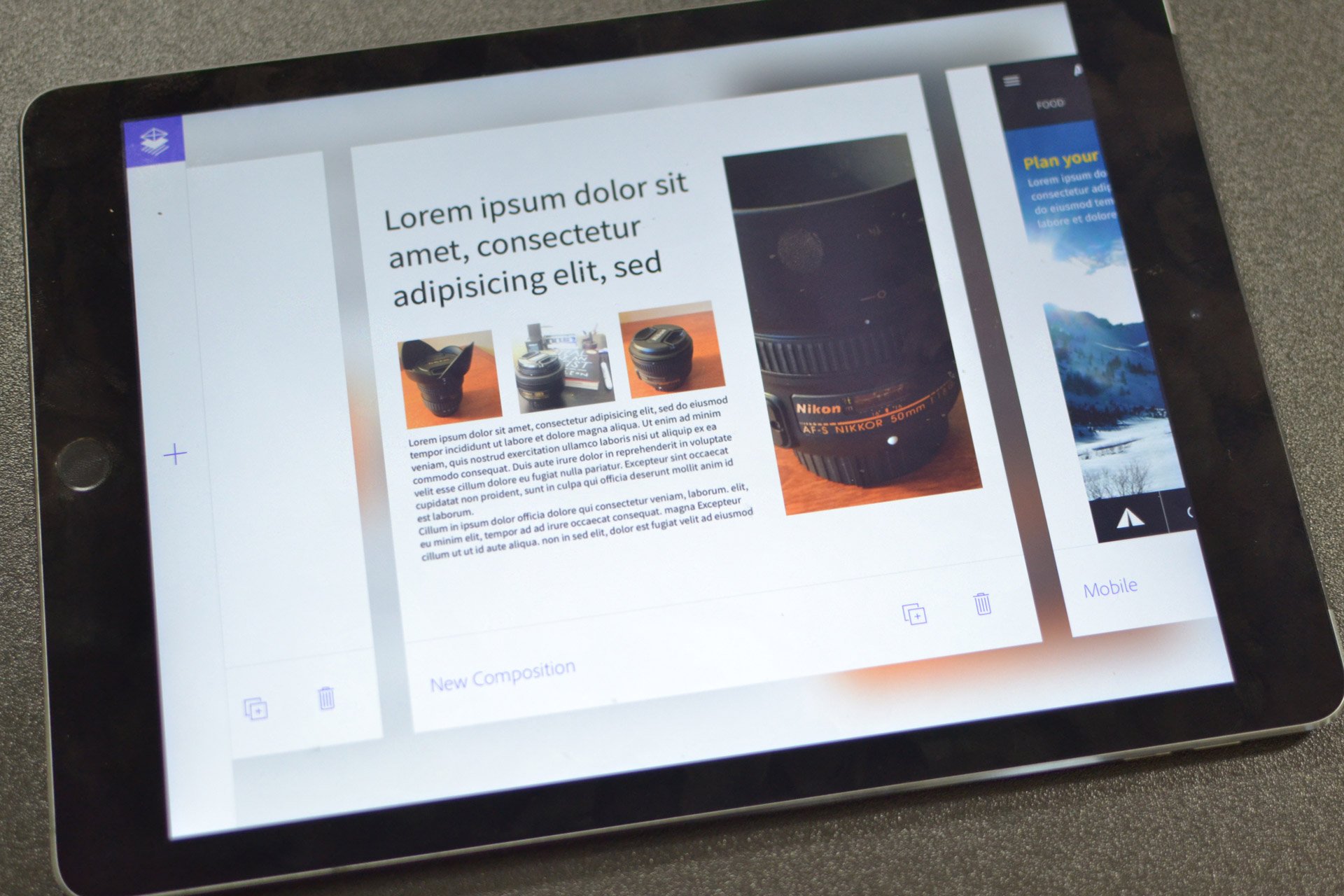
The New Adobe Comp CC Mobile App
Adobe has introduced some new mobile apps to their line up, including Adobe Comp...