



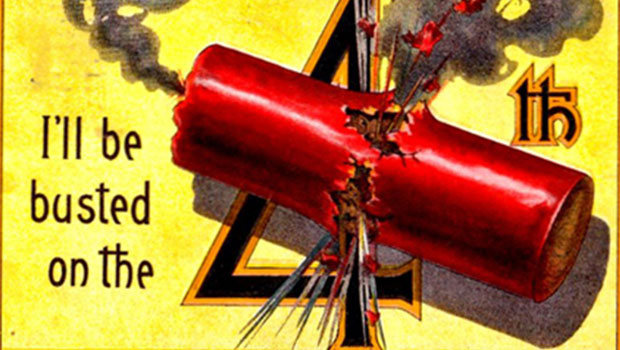
There is a Dark Side
Of course, anything that burns or explodes shouldn’t be taken too lightly, and there are plenty of tragedies associated with the fireworks industry. Fireworks factory explosions are not that uncommon, and when they happen (as they have in the Netherlands, Denmark, and China in recent years) they can be catastrophic, destroying many lives and entire neighborhoods. Even the professionals who put on displays have their share of mishaps: a barge exploding, a rocket going out of control into the crowd, a hand being blown off.
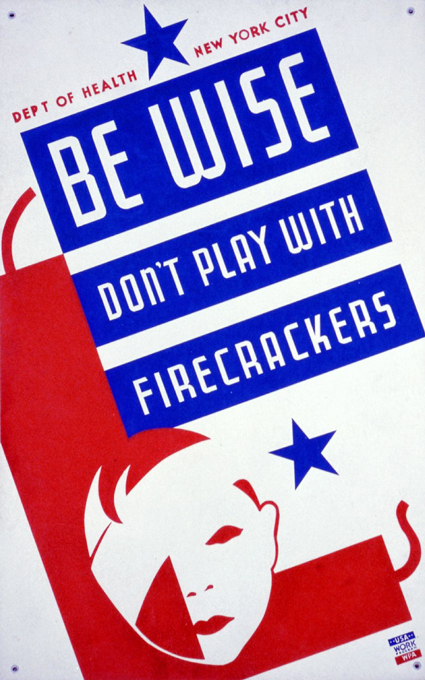
Figure 15: By the time of the Works Progress Administration’s famous poster campaign, the idea of injury from firecrackers was not as funny as it had been in Victorian times. Here a poster from artist Vera Bock points out the potential dangers.
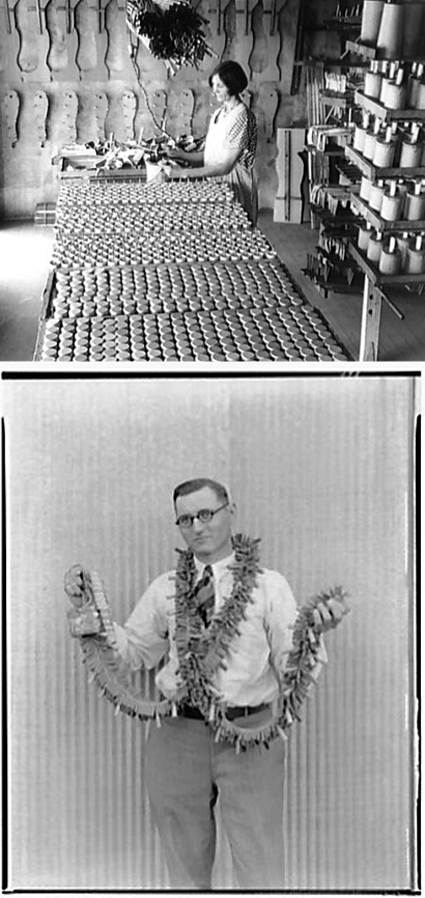
Figure 16: These photographs of the Martin Fireworks factory by FSA photographer Theodor Horydczak clearly show that the Occupational Safety and Health Administration had not yet been formed.
And each year too many animals are caught in the crossfire, or at least scared out of their minds by the sound of explosions and screaming Piccolo Pete’s. We once had an Irish setter who for the first week of July took up residence in a closet, buried under a pile of dirty clothes. The line between mischievous fun and real harm is not one best left to adolescents or drunken adults.
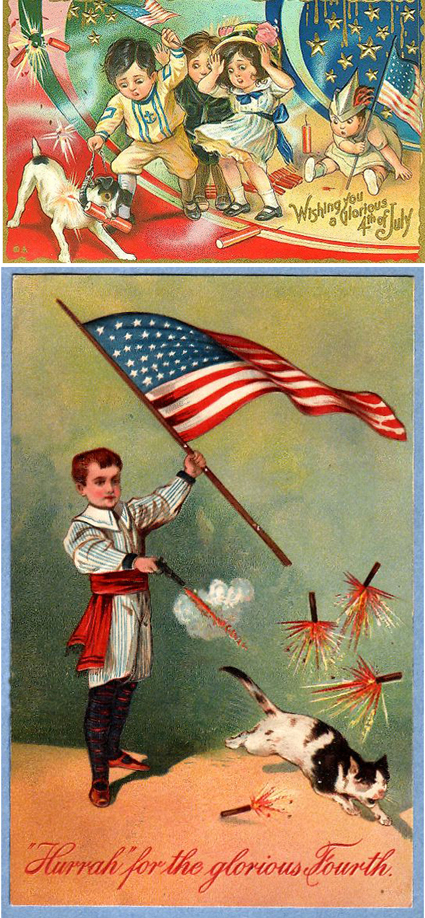
Figure 17: In these two Victorian postcard images, animal welfare was clearly not a priority. Sadly, even today many animals are injured and scared by fireworks.
The invention of fireworks (and especially firecrackers) by the Chinese was prompted not by a desire to celebrate, but rather as a way to ward off evil spirits. So from the very beginning the danger was all part of the process.
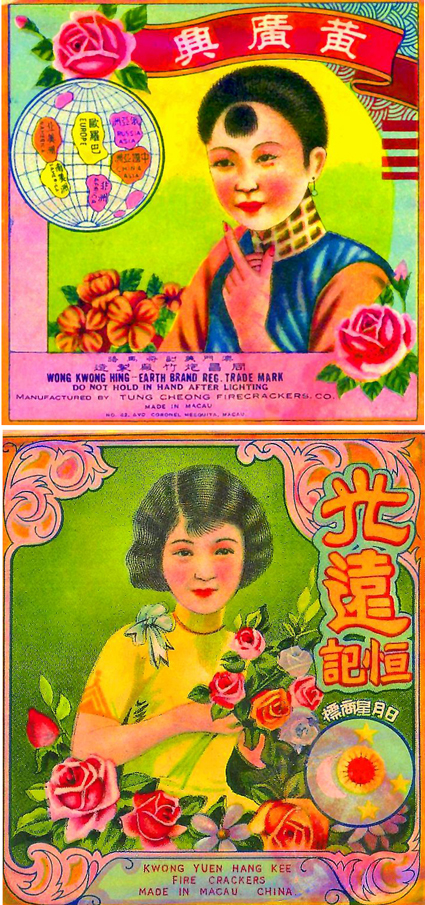
Figure 18: The Chinese invented firecrackers and gunpowder and still manufacture most of the world’s fireworks. These two firecracker labels are from manufacturers in Macau.
A Chance Beginning
Even before the discovery of gunpowder, the Chinese were burning green bamboo shoots to cause explosions, a result of air pockets trapped inside the bamboo chambers. When gunpowder was eventually discovered (many think by accident), it only upped the ante and made for bigger and bigger explosions. To this day the Chinese are the fireworks masters, though after Marco Polo brought gunpowder back to Europe, Italians raised the art of pyrotechnics to new heights and popularized the idea of fireworks as entertainment.
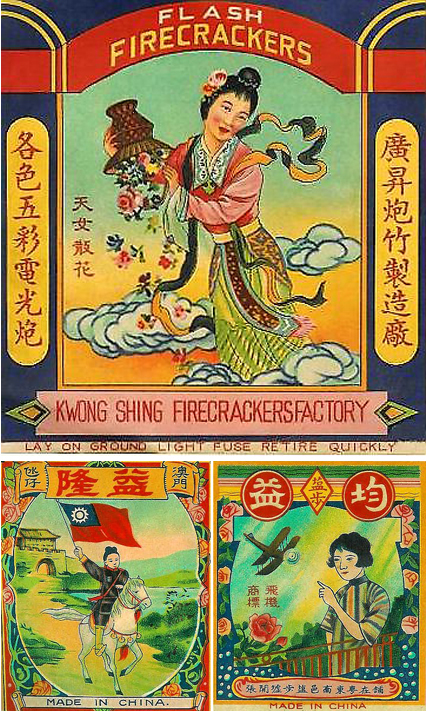
Figure 19: Several more Chinese firecracker labels. My favorite text is on the top label and advises “Lay on ground. Light fuse. Retire quickly.” No kidding.
Soon kings and queens were ordering fireworks displays in attempts to outdo each other in size and spectacle. By the time Guy Fawkes tried to blow up the British Parliament in 1605, fireworks were very popular in England. So it isn’t a stretch that Guy Fawkes Day quickly became celebrated by setting off fireworks — the British equivalent of our Fourth of July obsession. Nearly every country has at least one special occasion when the populace takes to the streets, fireworks in hand.
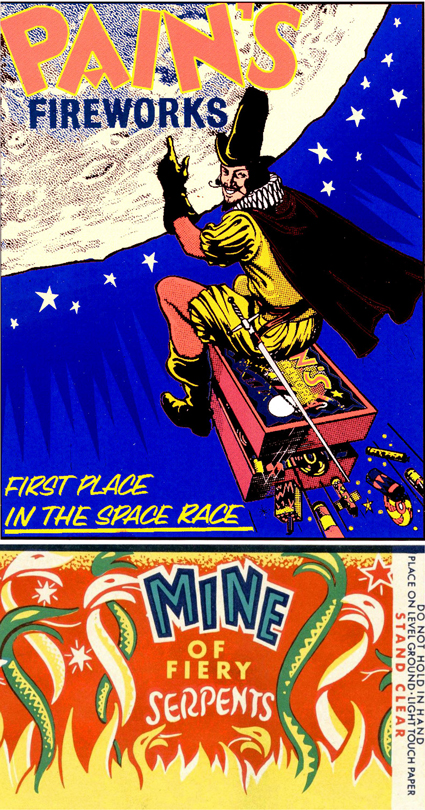
Figure 20: Pain’s Fireworks produced regular fireworks spectacles at Coney Island and Manhattan Beach until the company, beset by liabilities from several deaths and a factory explosion in Britain, became insolvent. The bottom image is packaging for the Mine of Fiery Serpents from Standard Fireworks.
In recent years the popularity of fireworks, especially professional displays, has risen dramatically, thanks to better materials, computer controls, and the opening of free trade with China. In 1996 a new record was set in Hong Kong when a single string of firecrackers was set off that continued exploding for 22 hours.

Figure 21: Some claim that fireworks originated in India, though most scholars agree it was China. Here is a modern India fireworks label from the Standard Company.
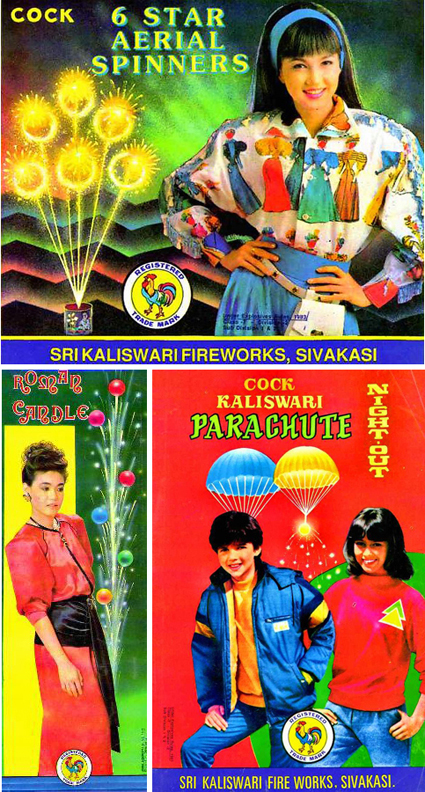
Figure 22: Several more examples of modern Indian firework labels focusing on families and especially kids.
Everything Changes
I don’t know if kids today still see fireworks through the same excited eyes that I did. Video game and movie special effects have dulled the senses a bit. A few years ago when my young nephews were visiting, we bought a box of fireworks that were generally perceived as being “duds” by the kids. Fireworks take place every day at places like Disneyland, and it’s not uncommon for small displays to be set off at weddings, corporate events, and other special occasions. When I lived in San Francisco for a few years, it seemed like every other weekend some sort of fireworks display took place over the Bay. So I guess the novelty has worn off a bit.
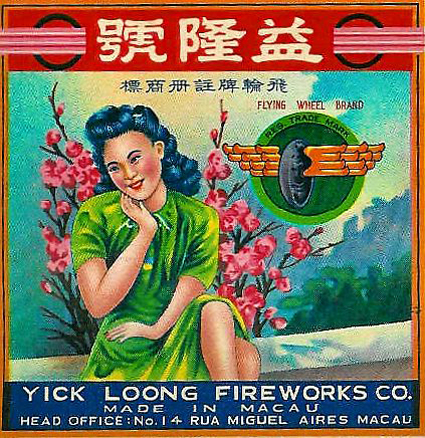
Figure 23: Flying Wheel firecrackers from Macau.
But each year I still stop in the parking lot of the local market and look at the fireworks selection. Now the products have more clever names, like Wizard of Ahhs, Urban Warrior, Wickedly Awesome, Fortress of Fire, Screamin’ Meemie, and Da Bomb. And they seem to cost a lot more, even when you figure in inflation. One Screamin’ Meemie costs $119.99, and several single items sell for $149 or more! In my day that would have bought the biggest assortment made, and a large family would have been hard-pressed to set off all of them in one evening.
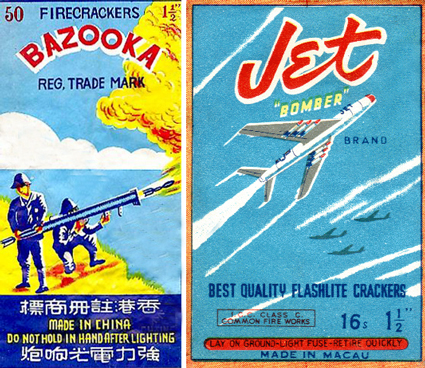
Figure 24: Bazooka and Jet firecrackers from Macau also advise you to retire quickly after lighting.
Yet I still get a little twinge of excitement when I get close enough to smell the sodium, barium, copper, magnesium, and charcoal that color the sparks and flames as they shoot out of those cardboard tubes and cones. And even though I don’t light fireworks anymore, I hope those temporary stands continue to go up every year. It’s the American way.
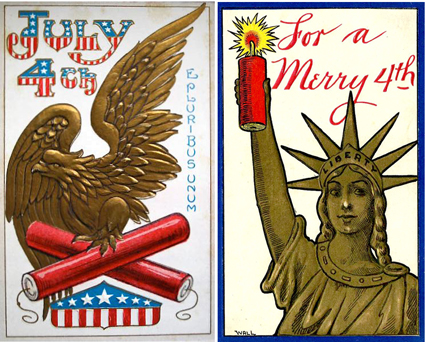
Figure 25: Postcard images emphasizing the inalienable right of Americans to light firecrackers.
This article was last modified on May 18, 2023
This article was first published on July 2, 2007
Commenting is easier and faster when you're logged in!

Recommended for you

How an Accordion Controls Photoshop’s Levels Command
The following is an excerpt from Speaking Photoshop CC by Dave Bate. Reprinted,...

CreativePro Tip of the Week: Increasing the Photoshop Canvas Size with the Crop Tool
This CreativePro Tip of the Week on Increasing the Photoshop Canvas Size with th...

CreativePro Tip of the Week: Viewing Illustrator Artwork as Outlines
This CreativePro tip for viewing Illustrator artwork as outlines was sent to Tip...