



I sincerely appreciate the many comments regarding last week’s post about the limited image prospects in a hospital waiting room. I’m still away from home caring for a sick relative, and I simply have to speak out on the horror I discovered when picking up the daily mail of my 83-year-old charge.
In seven days of mail delivery, a couple of bills and local flyers arrived, which is what I expected. But because this kind person had given a few dollars here and there over the years to various causes, mostly in support of animal welfare, she’s been targeted as a potential donor for just about every non-profit in America. In one week I carted in 57 distinct pieces of direct mail soliciting donations!


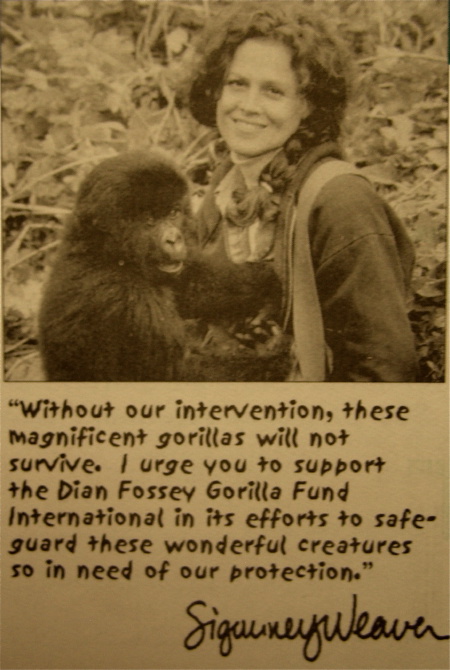

All of the charities are deserving. But the tactics are questionable, in my mind, when in piece after piece you see pictures of suffering animals and children, and many charitable solicitations use the same sort of gimmicks and deceptive tactics used by less-reputable for-profit businesses.


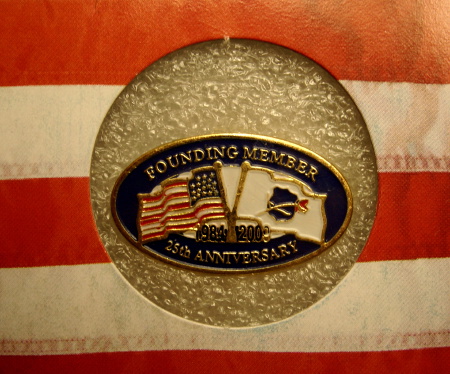
Out of 57 direct-mail efforts, my relative received 12 collections of return-address labels, 6 sets of greeting cards, several pins, note pads, and stickers, and other assorted “gifts” designed to make the recipient feel obligated to return some sort of donation. Some of the cards are at least attractive, but most are corny.



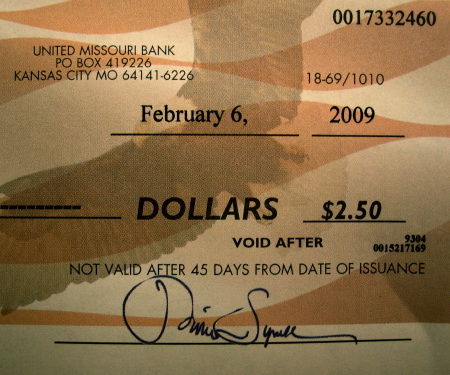
And as if the “free gift” trick wasn’t bad enough, at least three charities sent actual negotiable checks for $2 to $3 with the message that “you can cash this check and keep the money [assuming you have such a cold heart], or you can return it along with your donation [and be a good person].”

The worst offenders in this game are the groups that rescue animals. I’m a huge animal lover and supporter, and I do understand that not everyone treats animals with respect and dignity. But I’m not sure I want to be reminded of that as graphically as many of these groups portray. And it doesn’t seem compassionate to put stories and photos of animal cruelty in front of an 83-year-old animal lover. Don’t worry, I’ve spared you the really upsetting examples.


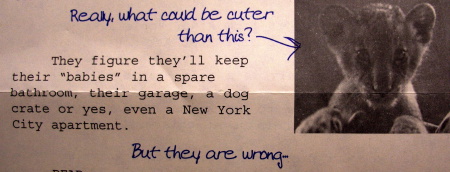
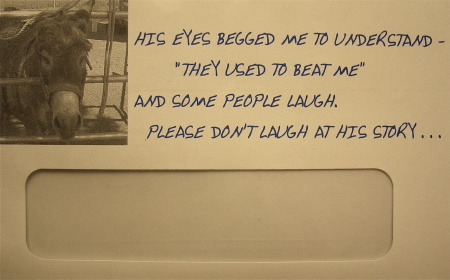
Almost all the efforts follow the same tired formula, which we’ve grown to accept as necessary in direct mail. There’s a dramatic appeal on the outside envelope that motivates you to open the piece. Then a heart-felt “personal” letter from the director of the charity or some celebrity. Then the gift offer or other reward, and of course the “hand-written” appeal.
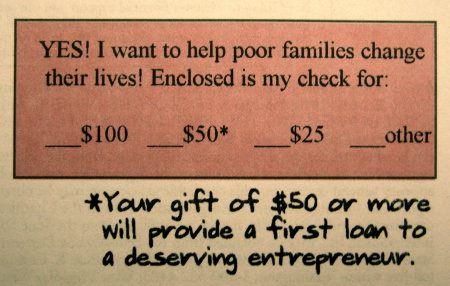

I’ve gotten a lot of heat from my friends in the printing industry by suggesting a “do-not-mail” list much like the “do-not-call” list implemented a few years back. Yes, the Direct Mail Marketing Association has a voluntary program you can sign up for, but I mean something the government gets behind with stiff penalties for those who abuse direct mailing.
It can’t be efficient for one person to receive 57 charitable solicitations in seven days. I imagine that this volume isn’t unusual. Surely there must be a better way. The amount of money given couldn’t possibly cancel out the cost of this volume of solicitation.


I thought I got a lot of junk mail, but now I see it can be a lot worse. It seems rather cruel that several small acts of kindness would result in an onslaught of this magnitude.
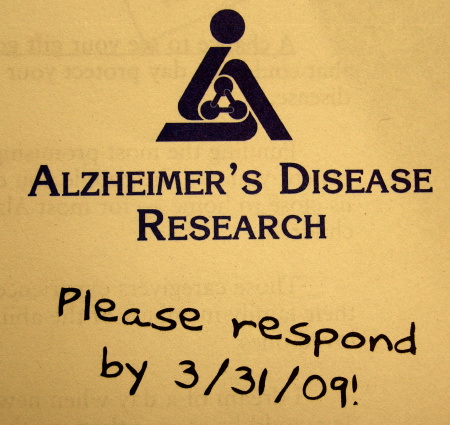

I’d love to hear from others on this topic. Am I experiencing some sort of anomaly in the direct-marketing world? Or do you also need a wheelbarrow to bring in the daily mail? It’s enough to make me want to start a charity for those who are inundated with charitable solicitations!
This article was last modified on May 17, 2023
This article was first published on February 27, 2009
Commenting is easier and faster when you're logged in!

Recommended for you

How to Choose Colors for Design and Marketing Success
Learn how to choose color thoughtfully for your designs and marketing campaigns,...

How to Create an Effective Product Label
Product labels describe a product as well as help it to stand out from comp...

Social Media Guide For Graphic Designers
As Creative Professionals we can’t ignore the value of Social Media and wh...